old_tid
8
Assistant Professor, Teaching Stream Anne-Marie Armstrong

Anne-Marie Armstrong

Assistant Professor, Teaching Stream

anne-marie.armstrong@daniels.utoronto.ca

Photo by Meaghan Peckham Photography

Anne-Marie Armstrong is an architect and educator. As a principal and co-founder of AAmp Studio, Anne-Marie’s professional practice has a diverse portfolio of projects in the U.S. and Canada. AAmp’s work has been widely published in recognized design journals, such as Architectural Record, Dwell, and AN Interior, and has received awards from the American Institute of Architects (AIA), Architect Magazine, The Architect’s Newspaper (AN), AN Interior, and Twenty + Change, amongst others. AAmp recently received an AN Award for Best Small Practice in Canada in 2025

Through her practice, teaching and research, Anne-Marie is committed to increasing diversity, access, and inclusion within the field of design. Anne-Marie is a founding member of Black Architects and Interior Designers Association (BAIDA), and formerly on the Board of Directors of People for Education. 

Anne-Marie holds a Bachelor of Architectural Studies (BAS) from University of Waterloo and a Master of Architecture (MArch) from Yale University, where she studied on a U.S.-Canada Fulbright Award.

Jason Nguyen

Assistant Professor

je.nguyen@daniels.utoronto.ca

Jason Nguyen is an historian of architecture, landscape, and urban planning in the early modern world, with particular interests in the relationship between architecture and commerce, the history of science and technology, and environmental history and theory. He is completing the manuscript for his first book, Theory & Expertise: Architectural Practice in Old Regime France. The project charts the professionalization of the architectural trade during the 17th and early 18th centuries in France. It examines how, in the wake of the state’s centralization of building practice, architects consciously engaged the modern sciences, law, and real estate speculation in an effort to claim expertise over the craftspeople and contractors who until then managed construction. The book outlines how the effort to codify a legal category of expertise that was rooted in labour, finance, and property development contributed to a profound reframing of the architect as a civic actor at the dawn of the modern age. 

More recently, Nguyen’s interests have centred on architecture’s relationship to global commerce and the environment during the early modern period. He is working on a book-length study of European-supported entrepôts in Asia, Africa, and the Americas as they relate to shipping networks and the formalization of the stock exchanges in Amsterdam and London. The project ties these complexes to contemporaneous technologies in cartography and navigation, corporate institutions of trade, coastal and marine ecologies, and the deterritorialization of Indigenous seascapes in the development of global capitalism and empire. On this topic, he co-chaired a 2022 international symposium at the Daniels Faculty on the subject of “Sea Machines,” which studied naval technology and infrastructure for the history and theory of architecture. 

Nguyen received his PhD in the history and theory of architecture from Harvard University. His work has appeared in journals such as Grey RoomJournal 18Journal of the Society of Architectural HistoriansThe Journal of ArchitectureLivraisons d’histoire de l’architectureOxford Art Journal, and Studies in the History of Gardens & Designed Landscapes. His research has been supported by the Samuel H. Kress Foundation, the Institut national d’histoire de l’art, the Center for Advanced Studies in the Visual Arts at the National Gallery of Art, the Society of Fellows in the Humanities at the University of Southern California, and the Getty Research Institute. He has taught at Harvard, the University of Southern California, and the University of California-Los Angeles. He sits on the Board of Directors for the Society of Architectural Historians and the editorial board of H-France. Prior to his scholarly career, he practiced architecture at Venturi, Scott Brown & Associates in Philadelphia. In addition to his early modern research, he has interests in contemporary architectural practice, material culture, and ecocriticism in art and architecture.


Maria Yablonina

Assistant Professor

maria.yablonina@daniels.utoronto.ca

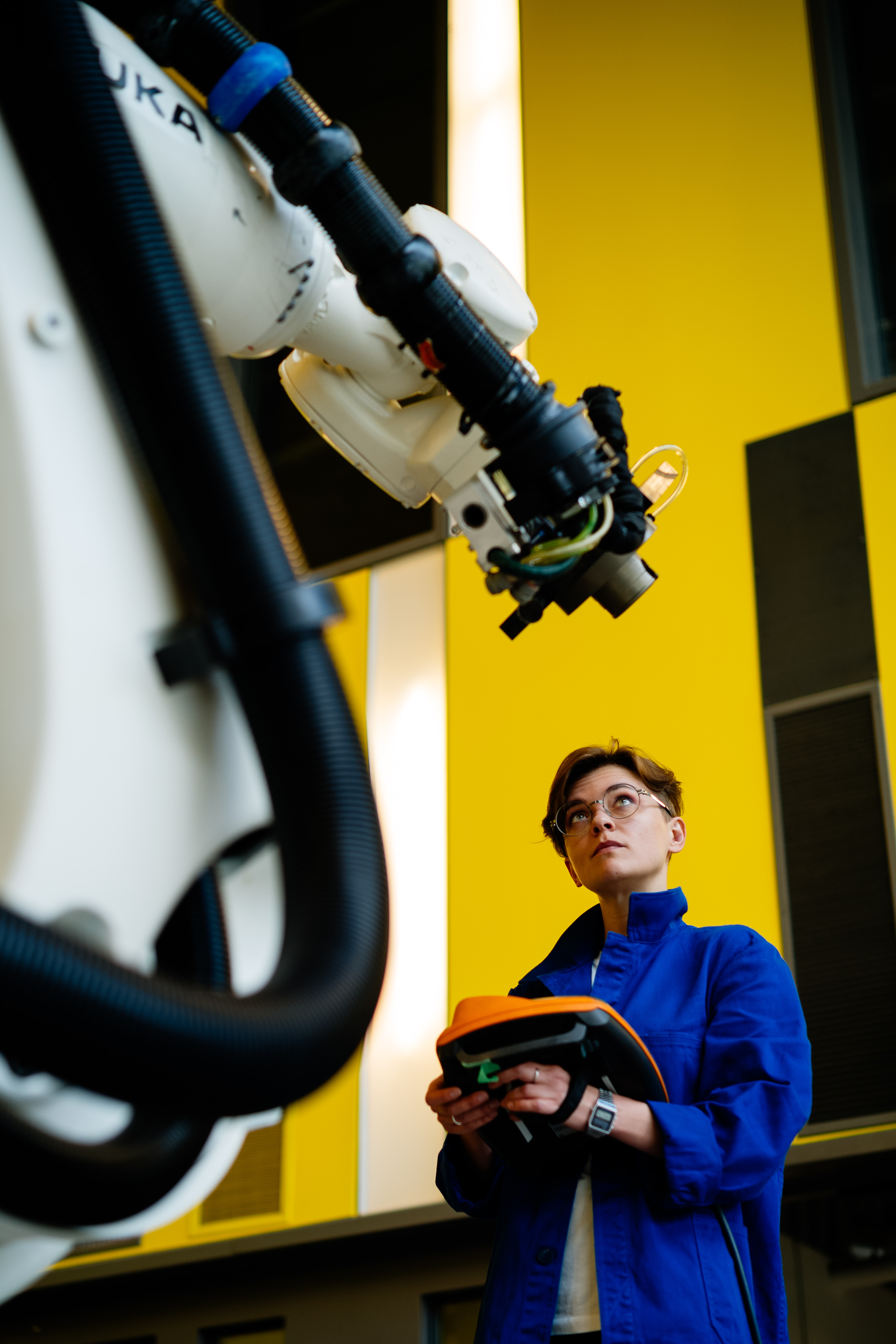
Maria Yablonina is an architect, researcher, and artist working in the field of computational design and digital fabrication. Her work lies at the intersection of architecture and robotics, producing spaces and robotic systems that can construct themselves and change in real-time. Such architectural productions include the development of hardware and software solutions, as well as complementing architectural and material systems in order to offer new design spaces. Maria’s practice focuses on designing machines that make architecture — a practice that she broadly describes as Designing [with] Machines (D[w]M). D[w]M aims to investigate and establish design methodologies that consider robotic hardware development as part of the overall design process and its output. Through this work, Maria argues for a design practice that moves beyond the design of objects towards the design of technologies and processes that enable new ways of both creating and interacting with architectural spaces. Maria has been commissioned and exhibited by institutions including Milan Design Week, Ars Electronica (Linz), Kapelica Gallery (Ljubljana), the Cooper Union, and the Moscow Institute of Architecture. She has also collaborated internationally on research with both universities and companies, including Autodesk Pier 9 (San Francisco), ETH Zurich, WeWork (New York), and the Bartlett School of Architecture (London).

Roberto Damiani

Assistant Professor, Teaching Stream

roberto.damiani@daniels.utoronto.ca

Roberto Damiani is a designer, curator, and scholar whose work investigates the intellectual discourses and spatial manifestations of the public and the common in architecture and urbanism through an approach that brings together history, theory, and design perspectives. 

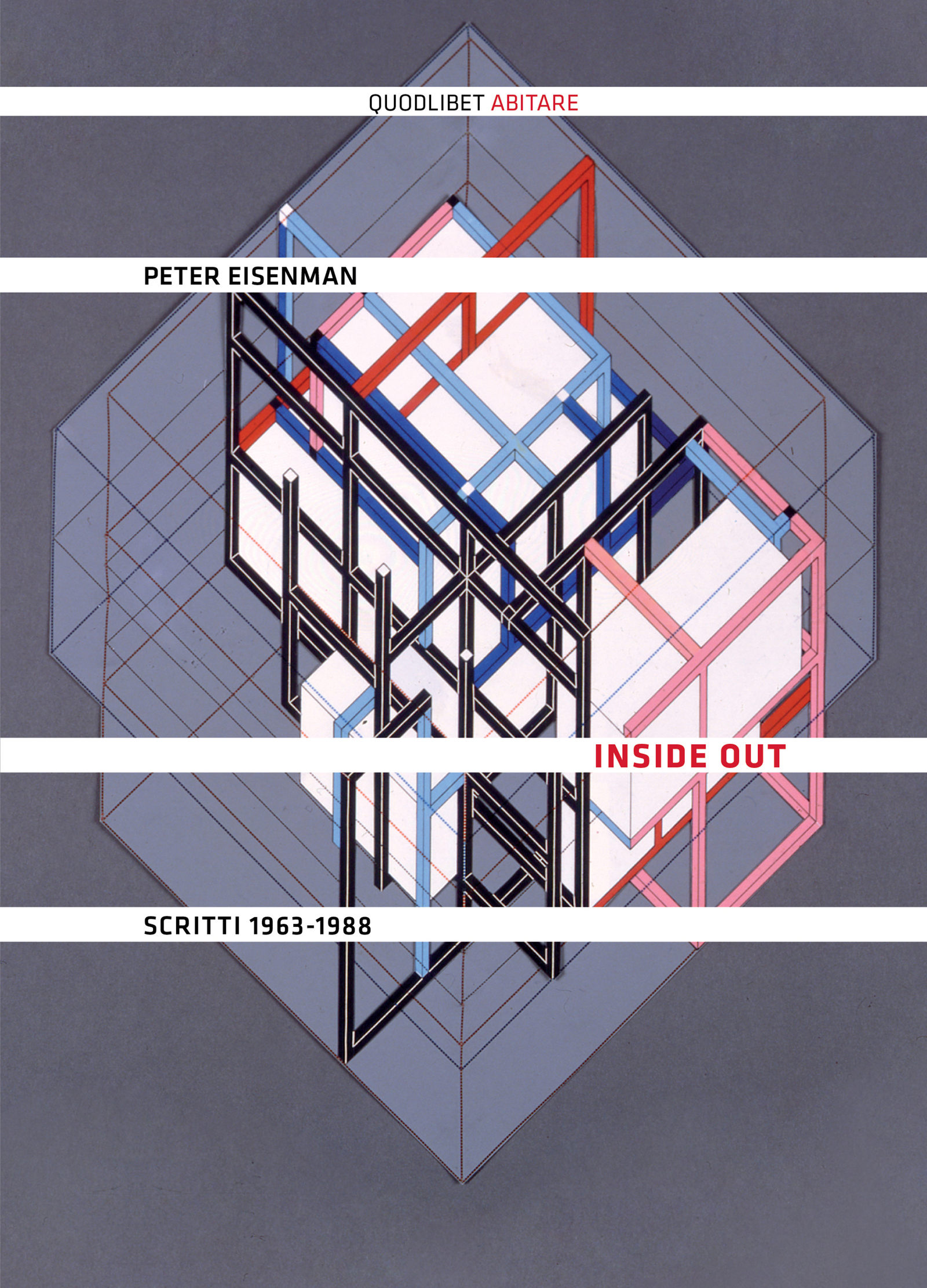
Damiani’s interest in the public is the most evident in the recent book he edited The Architect and the Public: On George Baird's Contribution to Architecture (Quodlibet, 2020) which gathers multiple voices on the Canadian architect and Daniels Professor Emeritus George Baird’s theoretical work and teaching. The volume was awarded a grant from the Graham Foundation for Advanced Studies in the Fine Arts. 

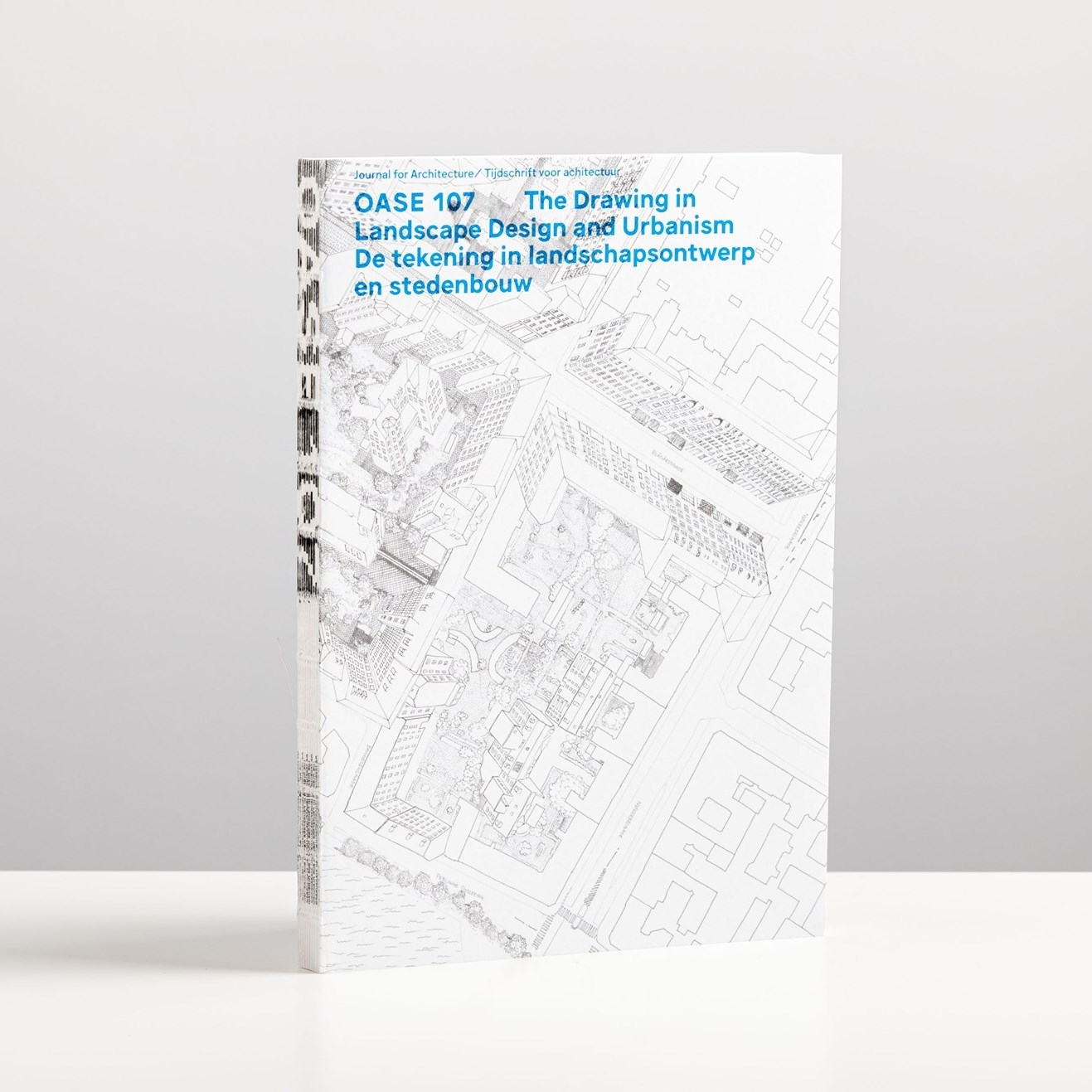
Damiani holds a Ph.D. in History and Theory of Urbanism from the University of Pescara with a dissertation on Aldo Rossi's, Colin Rowe's, and Oswald M. Ungers's contribution to the teaching and practice of modern urban design. Some excerpts of his doctoral research have been exhibited at the 14th Venice Architecture Biennale and will be published in the forthcoming volumes Radical Pedagogies (MIT Press, 2022) and Histories of Architecture Education in the United States (Routledge, 2022). Other shorter writings on the teaching and practice of urbanism have appeared in the journals JAEOASEScapegoat, and San Rocco.  

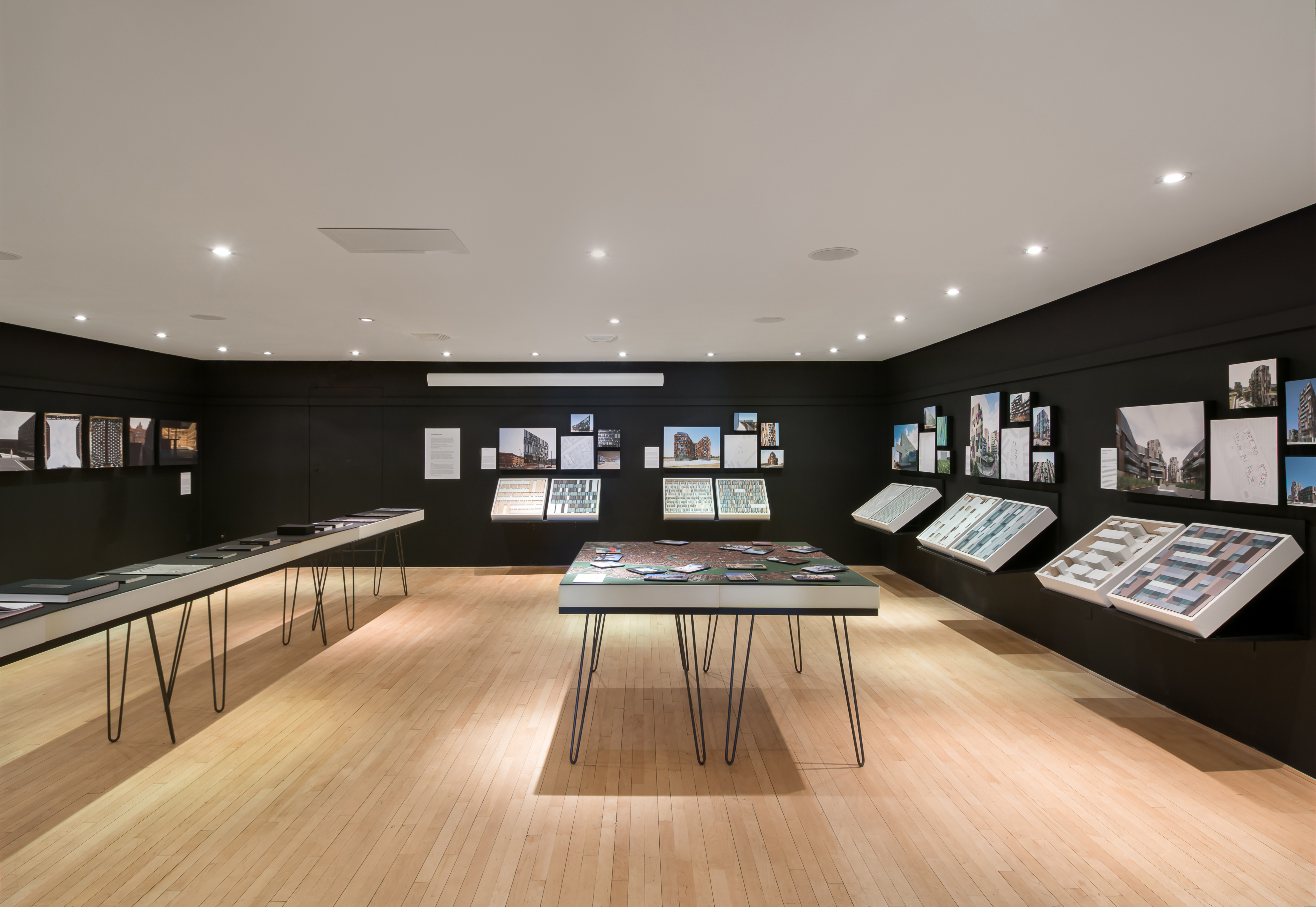
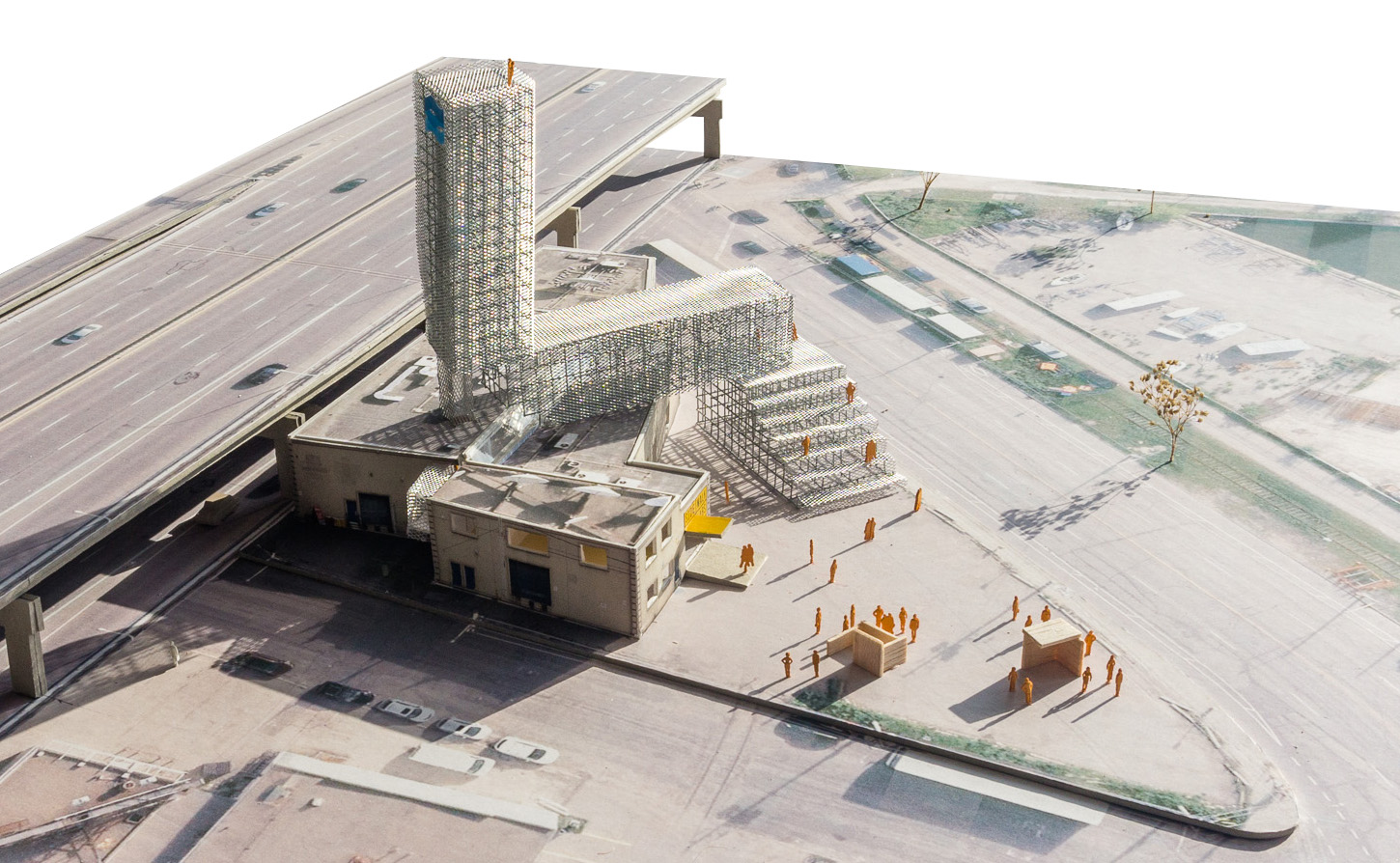
Damiani’s design work on contemporary public space has been recognized in the international competition Toronto: Middle City Passages, 2015 and the exhibitions Call to Order (2015) at the University of Miami and Unfolding Pavilion (2018) in Venice and published in the Bauhaus’s journal Horizonte. In Toronto, he is the organizer and curator of Italy under Construction, a series of public lectures and exhibitions on contemporary architecture in Italy sponsored by the Italian Cultural Institute in Toronto (iuctoronto.it).

Damiani held teaching and research positions at Cornell University, the University of Waterloo, and the Daniels Faculty, where he is now teaching in the undergraduate and graduate programs. 

Diarmuid Nash

Adjunct Lecturer

Portrait of Jon Cummings in a black mock neck sweater, from the chest up, standing in front of a gray background.

Jon Cummings

Assistant Professor, Teaching Stream

jon.cummings@daniels.utoronto.ca

Jon Cummings is an architect and teacher. His professional practice, Jon Cummings Architecture, is focused on finding expressive beauty and meaning in the low carbon, energy efficient and climate-adaptive technologies of the next generation of buildings. Jon’s professional, research, and teaching interests are engaged with the challenges of mixed uses, housing, and novel building typologies in urban and rural contexts, along with the economic, material, community, and political frameworks that exert influence on them.

Prior to founding JC-A, Jon worked for 10 years at architects-Alliance in Toronto, where he designed and managed mixed use, multi-unit residential, office, retail, cultural, and academic buildings at all project stages from design through construction. Previous to that, Jon’s varied experiences included work at offices in Los Angeles, New York, Boston, and Dublin.

Jon holds architecture degrees from the University of Waterloo (HBAS) and the University of Toronto (M Arch) where he was distinguished on graduation with both the Royal Architectural Institute of Canada and the American Institute of Architects School Medals.  Jon is a licensed member of the Ontario Association of Architects.

Bomani Khemet

Assistant Professor

bomani.khemet@daniels.utoronto.ca

Bomani Khemet is an assistant professor of building science in the John H. Daniels Faculty of Architecture, Landscape and Design at the University of Toronto, and is a registered professional engineer in the province of Ontario. He earned his Bachelors degree in Applied Science in Mechanical Engineering at the University of Ottawa, a Master of Engineering in Mechanical Engineering at Howard University, a Master of Building Science at Ryerson University and a Doctor of Philosophy in Civil Engineering at Ryerson University.

Khemet has had several years of experience teaching both building science and HVAC courses to practicing architects and engineers within the School of Continuing Studies at the University of Toronto. He has also taught graduate and undergraduate students building science at the University of Toronto’s Department of Civil Engineering.  Moreover, he has delivered lectures in advanced building envelopes and sustainable environmental control systems to undergraduate architectural students at Ryerson University.  

Professionally, Khemet has over a decade of engineering experience as a designer or manager on a variety of fascinating construction and transportation projects. These projects include the design of emission reduction technologies in heavy vehicles, as well as Reduction of Hazardous Substances initiatives for industrial products. Most notably, he has had the opportunity to work on Toronto’s Union Station Revitalisation project under a comprehensive transit re-signalling construction contract.

Research interests include:

  • Resilient architecture
  • Low energy building enclosures
  • Airtightness in residential buildings
  • HVAC and environmental controls
  • Building energy modelling

Alstan Jakubiec

Associate Professor

alstan.jakubiec@daniels.utoronto.ca

Alstan is an associate professor at the University of Toronto where he focuses his efforts on the design of buildings and cities with emphases on human comfort, performance simulation, and low-energy design strategies. He believes that through data-driven processes, designers can create comfortable built environments that will support social interaction, require less energy, and last longer before being razed. Alstan co-creates the popular DIVA tool for calculating the daylighting and energy performance of buildings and cities and actively develops new software tools as part of his research.

Before joining the University of Toronto, Alstan taught sustainable design to the first four graduating classes at the Singapore University of Technology and Design. He also co-founded Mapdwell, a technology company dedicated to providing information to homeowners about the renewable energy potential of their rooftops. Alstan holds Bachelor’s (Georgia Tech) and Master’s (University of Pennsylvania) degrees in architecture and a PhD in Building Technology from the Massachusetts Institute of Technology.

Miles Gertler

Assistant Professor

Miles.Gertler@daniels.utoronto.ca

Miles Gertler co-founded the design-research office Common Accounts with Igor Bragado in 2015. Their work examines the intersections of the body with spaces both online and IRL. They are recognized for their work in the design of death and the virtual afterlife, including Three Ordinary Funerals, a prototypical funeral home produced for the 2017 Seoul Biennial on Architecture and Urbanism, now in the permanent collection of the National Museum of Modern and Contemporary Art of Korea (MMCA).

Recent lectures by Common Accounts include Wishful Tropics at Alserkal Avenue in Dubai, Max Out at the Harvard GSD, and Gangnam, Muscle, and Death at the MMCA's Superhumanity Symposium in 2017. Common Accounts have contributed to publicationssuch as E-flux, Room One Thousand, and FRAME Magazine, and have been included in recent books Imminent Commons: The Expanded City (ed. Alejandro Zaera-Polo, Jeffrey Anderson), and Superhumanity: Post-Labor, Psychopathology, Plasticity (ed. Nick Axel, Beatriz Colomina, Nikolaus Hirsch, Jihoi Lee).

Recent exhibitions include a commissioned series of images for the Dutch Pavilion, Work, Body, Leisure, at the 2018 Venice Biennale in Architecture, Imago Mundi, a show of Canadian artists mounted by the Fondazione Benetton in Venice, Rare Item, at Toronto's Corkin Gallery, and Going Fluid at the 3rd Istanbul Design Biennial.

Gertler has taught at Cornell AAP's New York City Studio and the University of Waterloo School of Architecture. He is represented as a visual artist by Corkin Gallery and is the recipient of the Suzanne K. Underwood Prize and the Henry Adams A.I.A. Certificate from Princeton University. He received an MArch from Princeton, and a Bachelor of Architectural Studies from the University of Waterloo.

Sam Dufaux

Assistant Professor, Teaching Stream

sam.dufaux@daniels.utoronto.ca

Sam Dufaux is an architect and principal at SvN Architects+Planners in Toronto. Dufaux currently leads key firm projects and research across all scales with a focus on the integration of architecture, landscape, and ecological systems for a post-carbon world.

Prior to joining SvN, Dufaux was an associate principal at WORKac in New York City, where, for 10 years, he led many of the firm’s built projects, public works, and commercial and residential projects.

Dufaux received his master’s degree from Columbia University in New York after earning his Bachelor of Architecture in Switzerland, where he is a licensed architect. Prior to joining the University of Toronto, Dufaux taught advanced design studios at the Graduate School of Architecture, Planning, and Preservation at Columbia University.