old_tid
12

Stephen Verderber

Professor

Sverder@daniels.utoronto.ca

Stephen Verderber is the director of the Centre for Design + Health Innovation, as well as a scholar, researcher, practitioner, and registered architect whose specialization is architecture, design therapeutics, and health. He is a professor at both the John H. Daniels Faculty of Architecture, Landscape, and Design and the Dalla Lana School of Public Health at the University of Toronto, a rare interdisciplinary appointment.

Stephen is a co-founder of R-2ARCH/Los Angeles and New Orleans, and was engaged in pro bono community service work in post-Hurricane Katrina New Orleans. He has received numerous design and research awards and has lectured internationally. He holds a doctorate in architecture from the University of Michigan.

Stephen has previously taught at Tulane University and Clemson University, and has been a guest design critic at numerous other universities. The American Institute of Architects AIA Education Honor Award program has recognized him for his interdisciplinary seminar courses. In 2005, he was the sole recipient of the Distinguished Professor Medal, bestowed by the Association of Collegiate Schools of Architecture (ACSA). Prior to assuming the role of the Centre’s founding director, he served the Daniels Faculty as associate dean for research (2014-2017).

Jeannie Kim

Associate Professor, Teaching Stream

jeannie.kim@daniels.utoronto.ca
T 416-946-8316

Jeannie Kim holds degrees in architecture from Harvard University and Princeton University and is currently completing her Ph.D. in the history and theory of architecture at Princeton University. Her research has appeared in numerous publications including Hunch, Volume, Journal of the Society of Architectural Historians, Log, Cold War Hot Houses (Princeton Architectural Press, 2004), and Engineered Transparency: The Technical, Visual and Spatial Effects of Glass (Princeton Architectural Press, 2009).  In addition to teaching studios and seminars at Columbia University, she was also previously the Director of Print Publications. Prior to teaching at Columbia, she taught at the Harvard University Graduate School of Design and Pratt Institute. Between 2008-2010 she directed the National Design Awards at Smithsonian Cooper-Hewitt, National Design Museum and co-curated Design USA, a retrospective of the first decade of the design awards.

Jeannie Kim


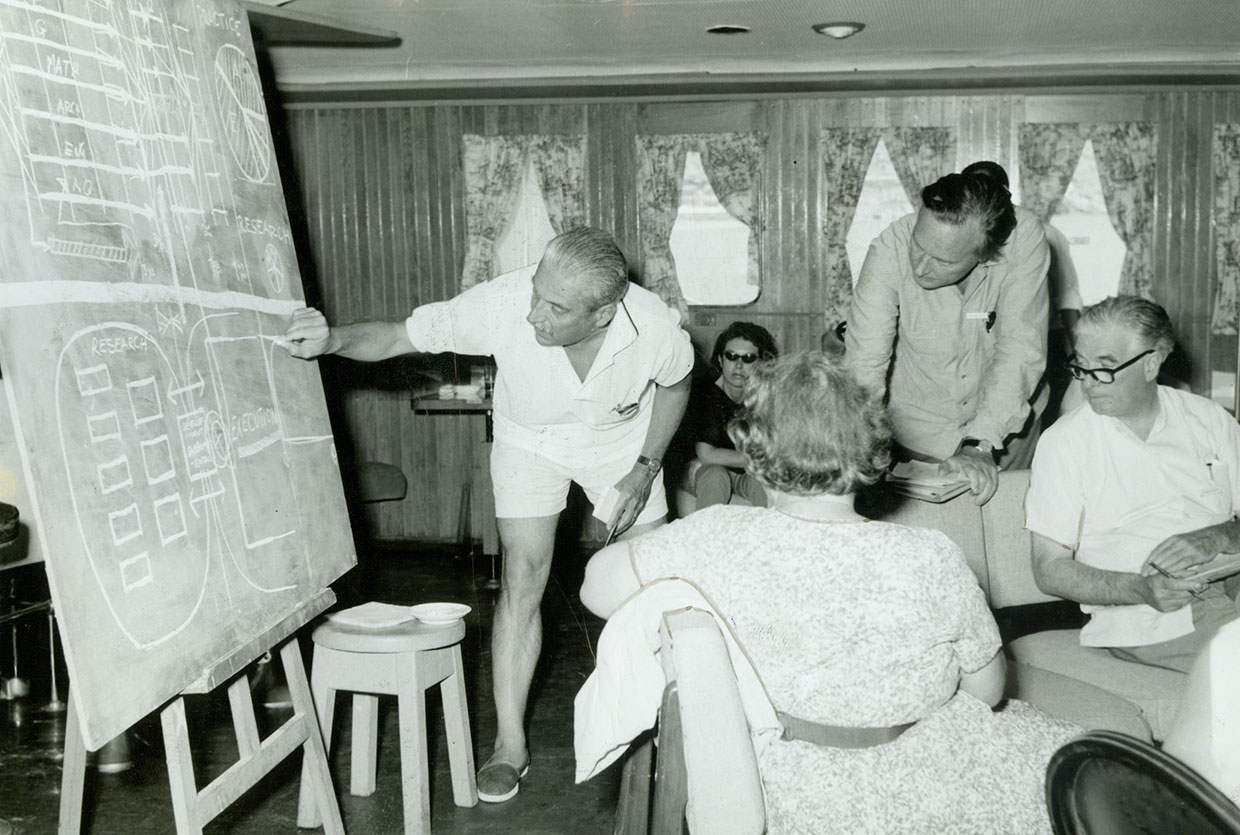
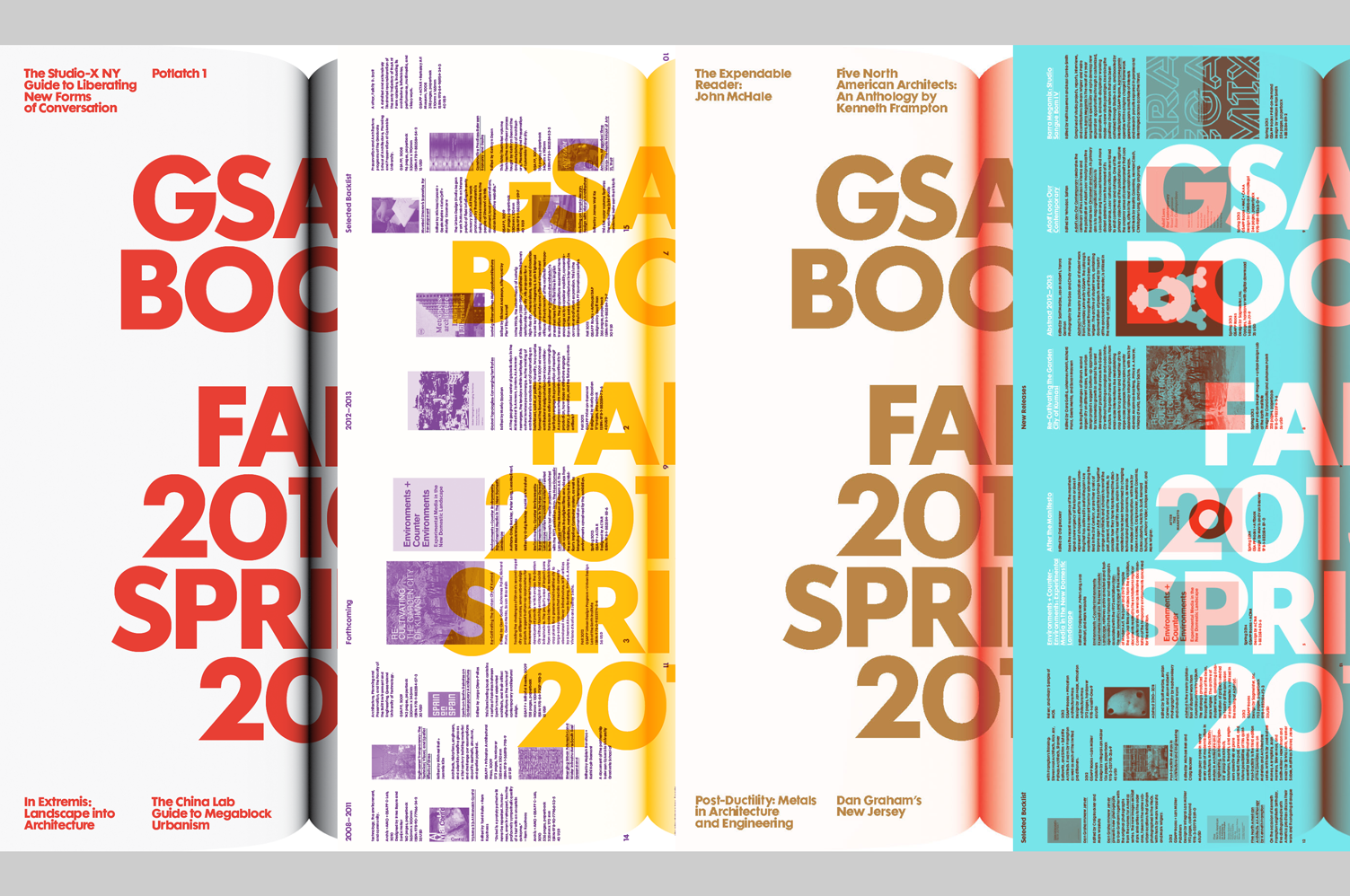
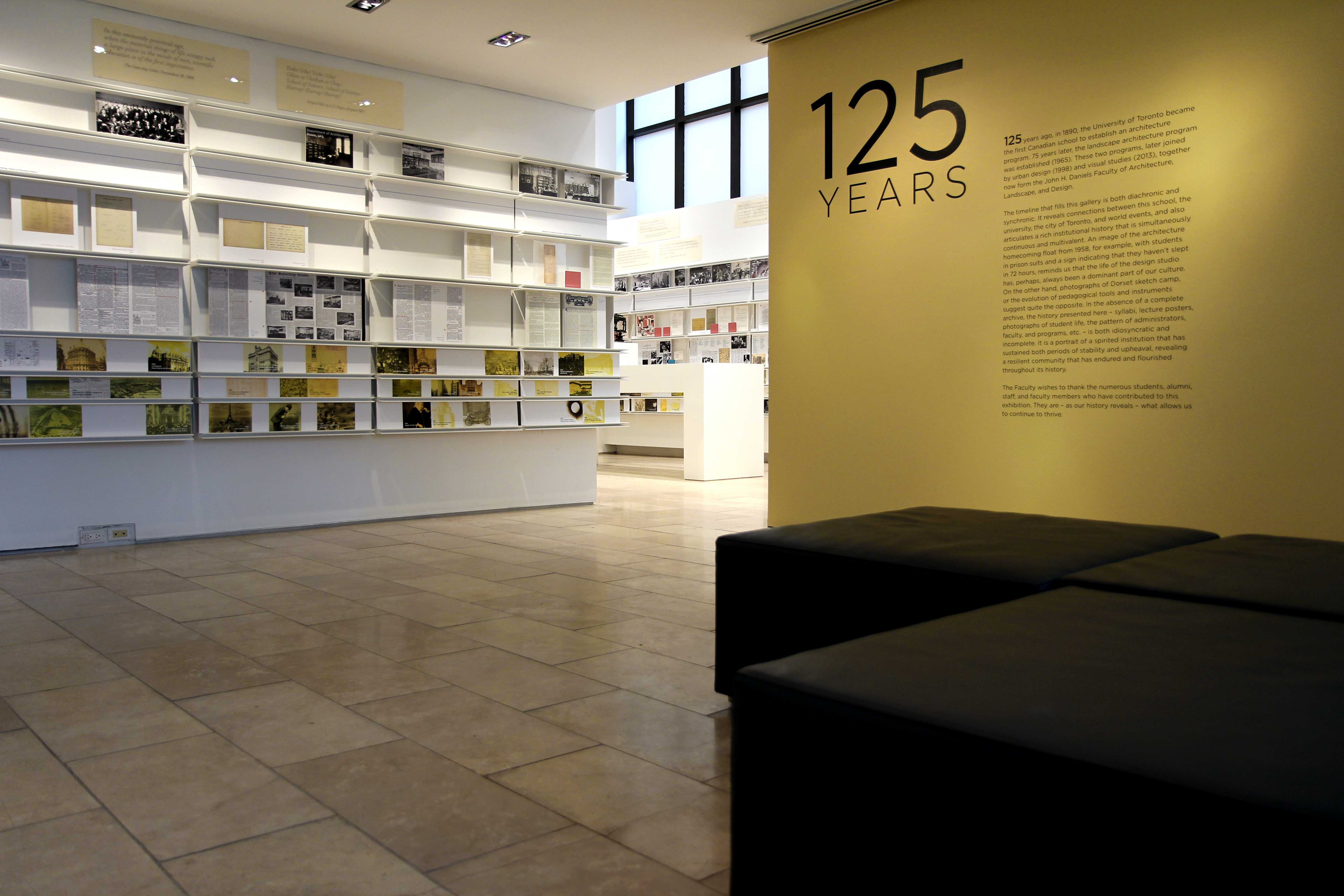
Photos, top of page: 1. “C.A. Doxiadis and the Ford Foundation,” Hunch 13: Consensus (NAI Publishers/Berlage Institute, 2010)  2. Director of Publications, Columbia University, Graduate School of Architecture, Planning and Preservation, 2005-2008; 2010-2013  3. Daniels Faculty's 125 Anniversary exhibition (2015)


Brian Boigon

Associate Professor, Teaching Stream

Brian.Boigon@daniels.utoronto.ca

Brian Boigon is an Artist/Data-Architect and Philosopher. His works span a multitude of operational disciplines including Quantum Mechanics, Locomotive Dynamical Systems, Science Fiction, Cartoon Animation and the ballet of Computational Script hacking. He is an Associate Professor at John H. Daniels Faculty of Architecture, Landscape and Design at the University of Toronto where he also runs the Inner Outer Space Lab and sits on the board of the Toronto MOCA.

Boigon is currently working on “The Magic of Membranes” through Drawing/Writing/Movies and Music under a Sci-fi project known as The  Interopera. He continues to explore the dimensions of his Ordinary and Non-ordinary Reality as its bank-shot through the non-linearity of Framing, Looping and Projecting. He is published by Birkhauser in a digital/analogue book on NonLinear Urbanism and is working on a sound/video project forthcoming in NYC. Boigon’s artwork is in numerous collections, published in 4 books and is in the archives at the Canadian Centre for Architecture (CCA) in Montreal. He is currently living in outer space and is represented by Christie Contemporary.


Brian Boigon

Jane Wolff

Professor

jane.wolff@daniels.utoronto.ca
T 416-978-8129

Jane Wolff was educated as a documentary filmmaker and landscape architect at Harvard University. Her activist scholarship uses writing and drawing to decipher and represent the web of relationships, processes, and stories that shape everyday landscapes in the Anthropocene. Her projects translate between rigorous, specialized information and ordinary language to make difficult (and often contested) places legible to the wide range of audiences with a stake in the future.

Wolff’s most recent research, featured at the 2022 Toronto Biennial of Art, used Toronto’s metropolitan landscape as a laboratory to develop and decolonize landscape observation methods. Her latest book, Bay Lexicon, is a field guide that defines place-based language for the changing edge of San Francisco Bay. Previous publications include the edited volume Landscape Citizenships (co-editors: Tim Waterman and Ed Wall), the web resource Gutter to Gulf (co-authors: Elise Shelley and Derek Hoeferlin), the book and deck of playing cards Delta Primer: A Field Guide to the California Delta, and essays that examine practices of inhabitation in watery landscapes from the Netherlands to North America. Her work has been exhibited at the 2019 Toronto Biennial of Art, the Exploratorium and the Center for Land Use Interpretation, and supported by grants from the Social Sciences and Humanities Research Council of Canada, the Canadian Federation for the Humanities and Social Sciences, the Seed Fund of San Francisco, the Graham Foundation and two Fulbright scholarships.

Wolff is a member of the advisory board of the University of Toronto’s Jackman Humanities Institute and served previously on the Design Review Board of Waterfront Toronto and the advisory board of BEAT (Building Equality in Architecture Toronto).

Chloe Town

Assistant Professor, Teaching Stream

chloe.town@daniels.utoronto.ca

Chloe Town is an Assistant Professor (Teaching Stream) and a licensed Ontario architect. She studied at McGill University and the University of Toronto prior to receiving, in 2002, a Master of Architecture degree from Princeton University, where she was awarded the Suzanne Kolarik Underwood Graduate Thesis Prize for her study on the relationship between 20th-century mass gatherings (crowds) and architecture. She has been teaching and working in architecture offices since 2003 and today has her own design and research practice called Town Office.

Before joining the Daniels Faculty, Town taught architecture at PennDesign in Philadelphia, the California College of the Arts in San Francisco, and the University of Waterloo School of Architecture.

Her expertise is in construction and space-making, materials, representation, and cross-disciplinary readings. She is interested in the underpinnings that connect architecture and theory to other design disciplines and creative production, the conceit of (and necessity for) originality, and critical spatial practices that include additive and subtractive strategies as well as the rising possibility of neither.

Her winning competition entry for the National AIDS Memorial Grove in San Francisco’s Golden Gate Park, a design collaboration with Janette Kim, was extensively documented in the book Emergent Memory (edited by Neal Schwarz, AIA) and was a subject in the feature-length documentary The Grove: AIDS and the Politics of Remembrance.

In New York City, Town spent close to a decade working as an NCARB intern architect before returning to Toronto, where she was born, to practice. At Moriyama & Teshima Architects and at LGA Architectural Partners, she oversaw several built projects including cultural institutions, social housing, and public schools.

Town’s design work has been published in numerous publications, including The New York Times and Architecture Record, and exhibited at the San Francisco Museum of Modern Art and the Center for Architecture in New York. She has also written many articles about contemporary Canadian architecture for Canadian Architect.

Chloe Town

Jay Pooley

Assistant Professor, Teaching Stream

jay.pooley@daniels.utoronto.ca

Jay Pooley is a Toronto-based architect, art director and journeyman carpenter. His work demonstrates expertise in the design and rapid realization of technically complex set constructions, installations and special effects for film production on a global scale. Recent work includes projects with Lucasfilm, Industrial Light & Magic, OVO Sound, Nike Jordan, Moët Hennessy Louis Vuitton, Holt Renfrew, directors Marc Forster (Quantum of Solace, Monster’s Ball) and Garth Davis (Lion), Google AI, and the author/artist Douglas Coupland. 

Pooley’s work has collected prestigious awards from every corner of the globe including a record-setting eight Lions at the Cannes Film Festival for his design of the SickKids VS campaigns and the Canadian Olympic Committee. 

Current research projects include design/build studio projects as a way of creating equitable access to mental health resources and community support systems. Film studies centered around innovative formats for capturing the experience of architecture. Pooley is the co-creator of the Daniels Radio Podcast, a new platform with the goal to not speak for the school, but to allow the school to speak. 

Educated in Halifax, Los Angeles and New York City, Pooley’s mentors include Brian MacKay-Lyons, Barton Myers, Tod Williams and Billie Tsien. He completed both a Bachelor of Environmental Design Studies and a Master of Architecture at Dalhousie University, where he received the William P. Lydon Memorial Scholarship for design, the Colin Gash Memorial Scholarship for contribution to community life, and the Governor’s Medal.

Pooley is currently an Assistant Professor, Teaching Stream at the University of Toronto, where he coordinates the first-year undergraduate design studios How to Design Almost Anything, a collaborative design studio with the Faculty of Applied Science: Design + Engineering I, and the fourth-year Design-Build Research Opportunity Program. 

Michael Piper

Associate Professor, Teaching Stream

Michael.Piper@daniels.utoronto.ca

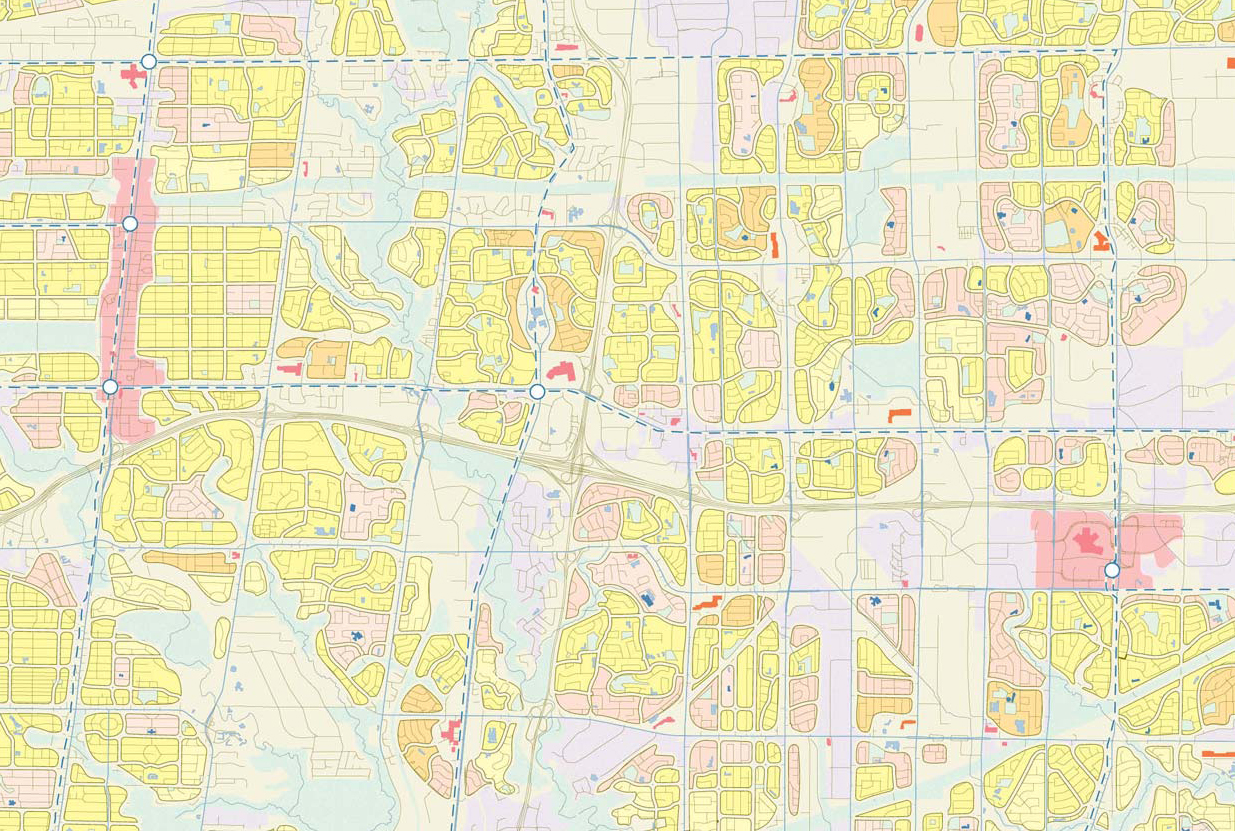
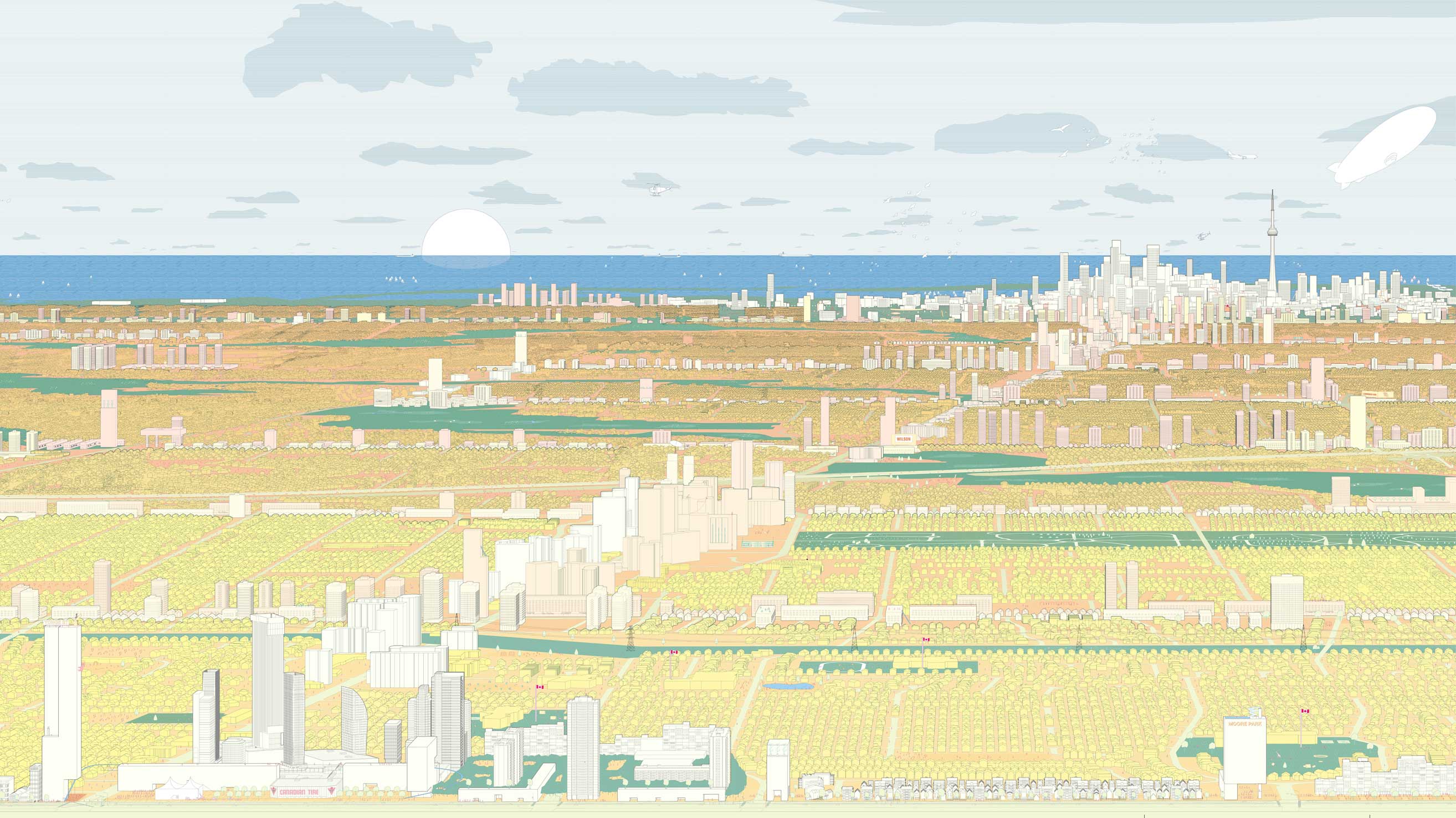
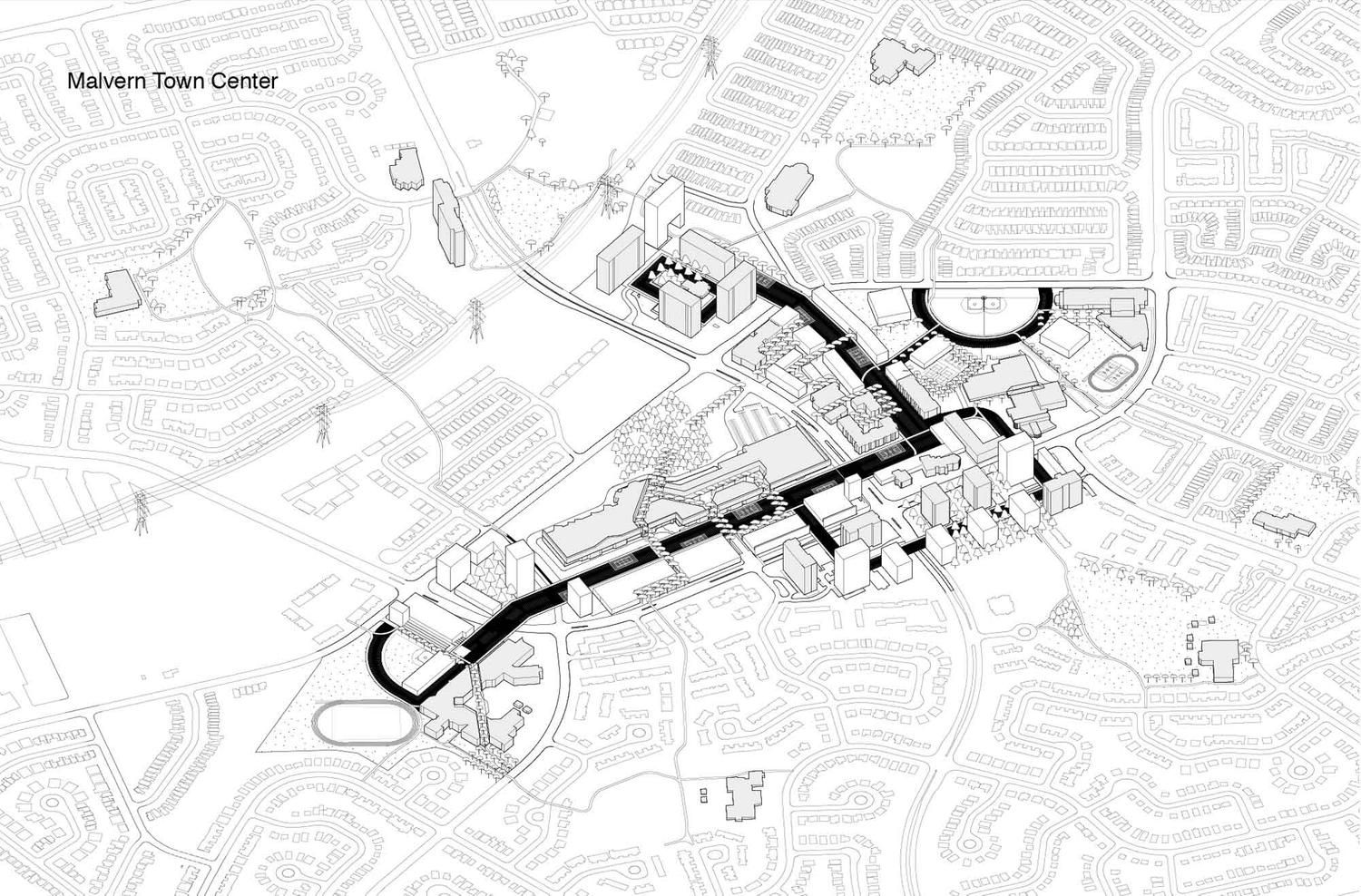
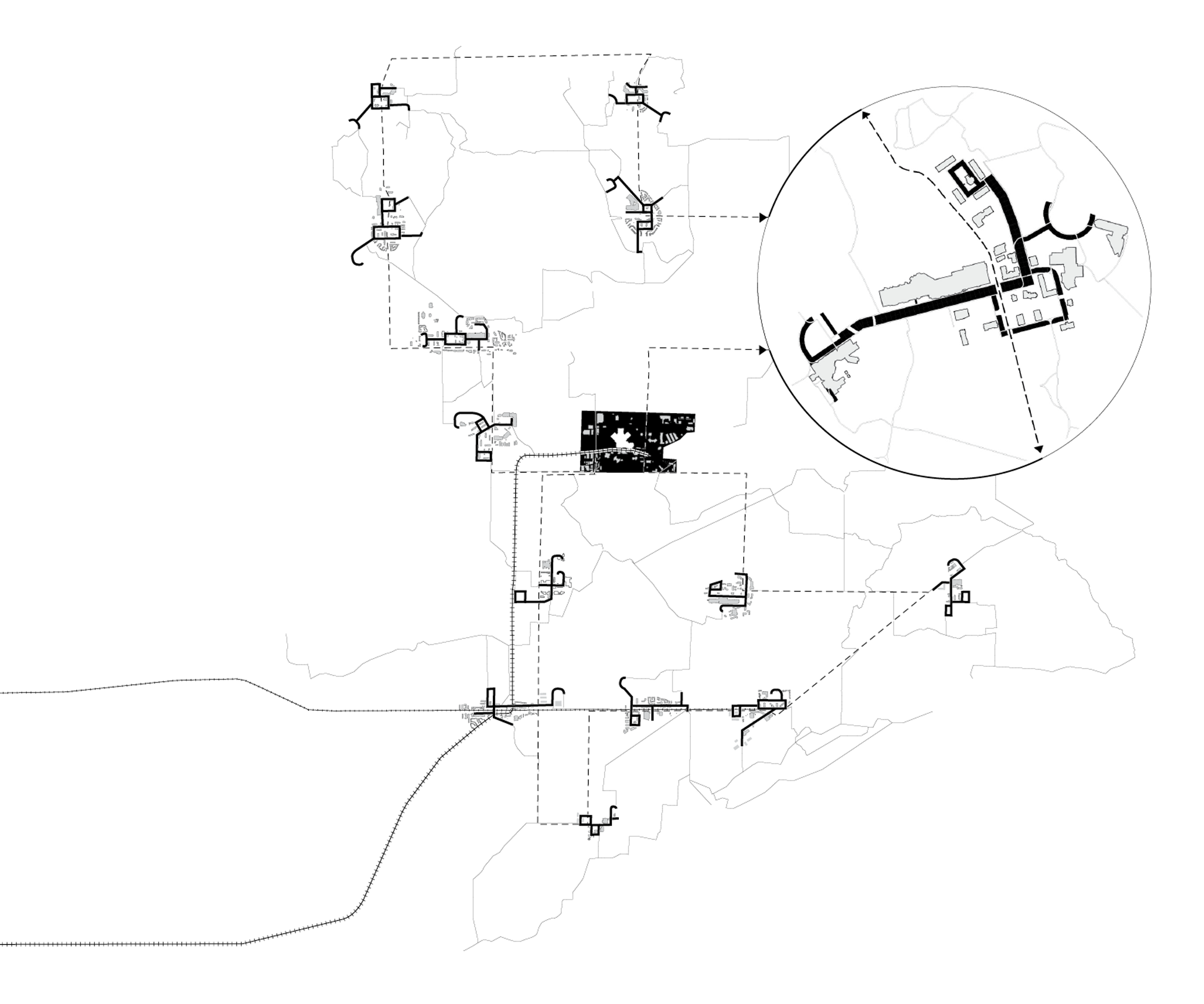
Michael Piper is an Associate Professor, Teaching Stream of Urban Design and Architecture at the University of Toronto. His work focuses on how design knowledge can impact city building and urban planning policy. His interests include suburban retrofits, infill housing, community partnerships, learning from existing cities, and merging typological and systems thinking with social and cultural research. He is passionate about communicating with broad audiences and creating new forms of media that make complex ideas engaging and easy to understand.

Piper is also Co-Founder and Director of Research at ReHousing, a design-forward nonprofit that develops tools, research, and partnerships to enable new models of infill housing. Together with Executive Director Sam Eby and Co-Founder Janna Levitt, the group applies design approaches to policymaking and housing delivery. Piper has led successful funding applications, including one to the Canada Mortgage and Housing Corporation (CMHC), resulting in a multi-year project to develop an online platform that provides design scenarios and cost analyses for small-scale citizen developers. He also leads research and consultation work with municipalities, including design research for zoning policy for the City of Toronto, for which ReHousing received the CMHC President’s Medal for Outstanding Housing Research.

His cultural research and service include Engage-Design-Build, an outreach and access program he co-coordinated with Sneha Mandhan in partnership with the Toronto District School Board. The program connects with high school youth to develop design, art, and construction projects within their own communities. This work continues through an undergraduate community partnership course that Piper coordinates at the University of Toronto.

He is also a Co-Founder and Director of tuf lab, a research group that brings together urban design and urban planning faculty at the University of Toronto to study complex problems of contemporary urbanization. The group’s research explores the relationship between design knowledge, the analysis of built form, and the social, political, and economic contexts that shape cities. Piper was previously a founding partner of dub studios, a design practice based in Los Angeles.

His courses cover topics including urban design, housing design, urban analysis, visualization for urbanism, and graduate thesis advising. These courses align with his research, emphasizing typological design, infill housing, policy analysis, and the ways designers can engage with lived experience in cities. His writing has been published in JAPA, Thresholds, Scapegoat, MONU, and 306090, and his design work has been exhibited at the Seoul and Rotterdam Biennales.

Piper holds a Bachelor of Science in Architecture from the Georgia Institute of Technology and a Master of Architecture from Harvard University’s Graduate School of Design.


Adrian Phiffer

Associate Professor, Teaching Stream

adrian.phiffer@daniels.utoronto.ca
T 647-838-7991

Adrian Phiffer is originally from Romania. He directs Office of Adrian Phiffer and teaches architecture at the University of Toronto’s John H. Daniels Faculty of Architecture, Landscape, and Design. Phiffer’s work includes building and master planning projects in Nurnberg, London, Delhi, Beijing, Prague, Riga and Montreal. He is the author of the book Strange Primitivism and director of the short film Hero of Generic Architecture.
 

Pina Petricone

Associate Professor

p.petricone@daniels.utoronto.ca

Pina Petricone’s work and research is centred around tectonics, craft and the detail as an urbanist practice where diversity and durability are mined from the specificity of each project to define an approach to city-building at every scale. Petricone is a founding principal with Ralph Giannone of Giannone Petricone Architects in Toronto. She guides the studio to deliver innovative, visionary and widely recognized work by leading and advancing the firm’s creative and research output to be at the forefront of industry practice and professional knowledge. Petricone oversees and guides projects with studio teams to optimize design quality, to foster teaching and learning, and to test projects for positive impact on the world.

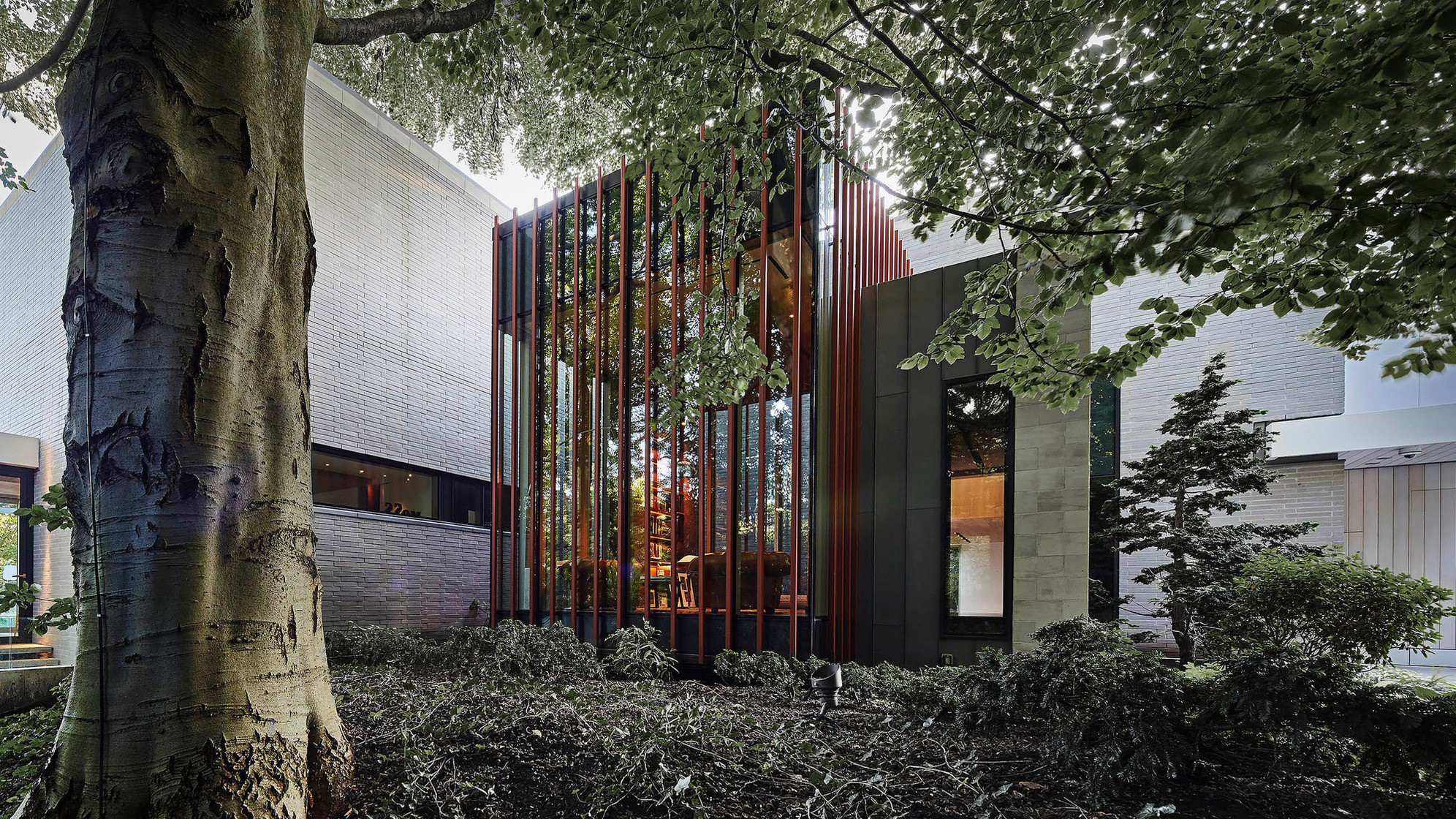
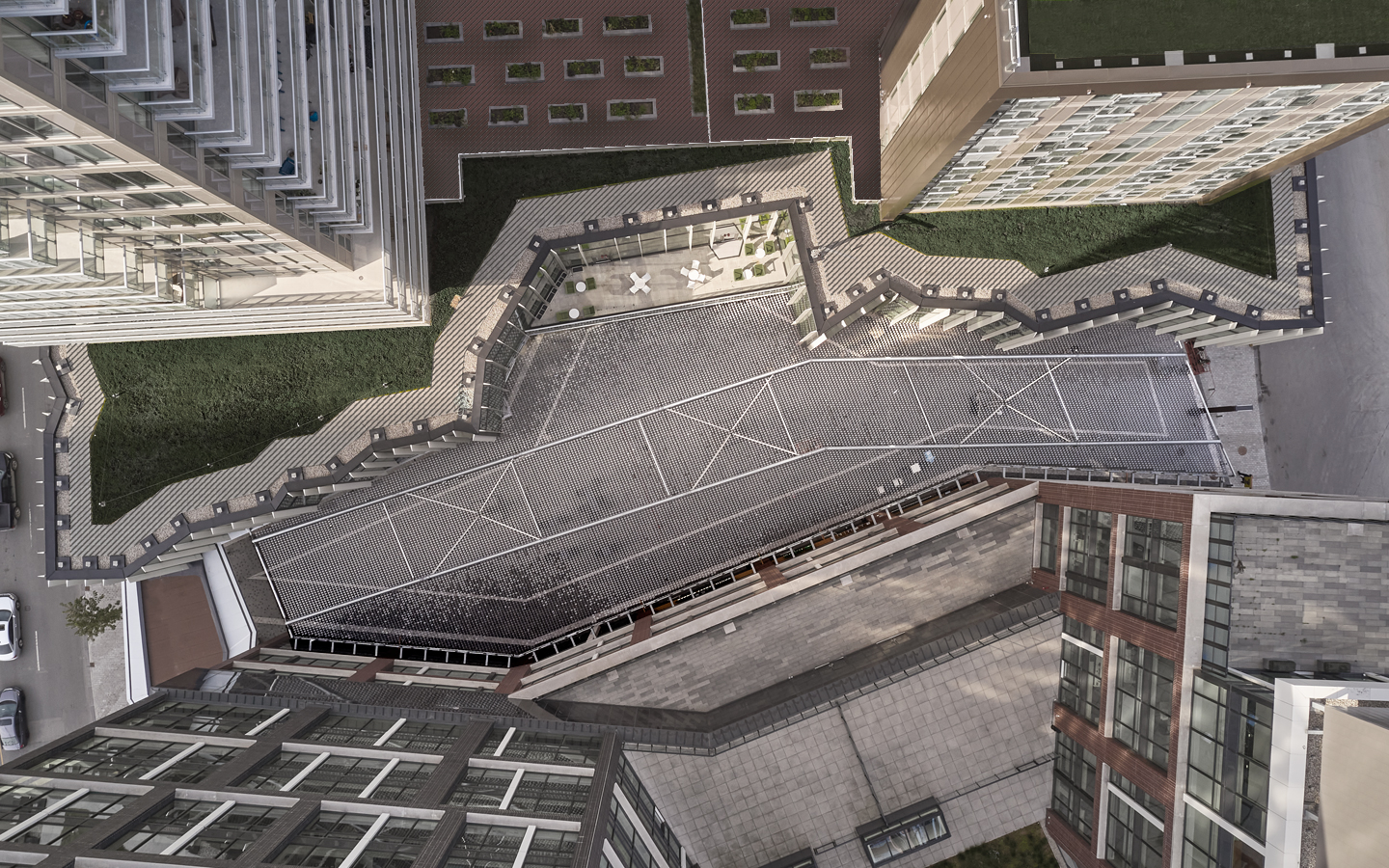
Petricone’s creativity and love of design has led to some of GPA’s most remarkable projects including the award-winning Daniels Waterfront City of the Arts, The Royal Hotel and Annex in Prince Edward County, Ontario, Ravine House built on the ruins of a John Parkin House along the Rosedale Ravine in Toronto, the Block 22 affordable housing complex for the Regent Park Revitalization Project, the Herman Miller Canadian Design Centre, and the Trinity College Centre for Ethics, an interfaculty and interdisciplinary initiative at the University of Toronto.

As a principal of Giannone Petricone Architects and a professor of architecture at the University of Toronto, Petricone’s dual role enables her to contribute intellectual rigour and research to the firm’s projects and processes, as well as to give real projects academic consideration. Petricone teaches design and theory at all levels of the Master of Architecture program, and has recently been awarded a LEAF Impact Grant by the Vice Provost for Innovation in Undergraduate Teaching to develop a unique design research internship program for graduating Architectural Studies students.

Petricone’s book, Concrete Ideas: Material to Shape a City (Thames & Hudson, 2012; ORO Publishers, 2014) visually speculates, through a series of montages, drawings and photographs, about concrete architecture’s capacity as an urban catalyst, its capacity for defining cities and for virtuosity in urban renewal. It is another iteration of speculations begun with 13 students in her graduate architecture studio at the University of Toronto of the same name. The work uses the case of Toronto with its predominant 1960s and 1970s brutalist stock and unique minus-30-degree-Celsius to plus-30-degree-Celsius Canadian climate to test socio-cultural and aesthetic speculations with building projects that challenge the limits of concrete performance. 

Petricone has presented her work and research at several international conferences and symposia, including the Columbia University Think Tank on the Building Intelligence Project, IF World Conference at the Politecnico di Milano, the Banff sessions on Architecture in Banff, Alberta, and the Tectonics: Making Meaning Conference at the Eindhoven Technical University in the Netherlands. Her work and research have been published widely in Canada, the U.S., Asia and Europe.

Petricone received her undergraduate professional degree in architecture from the University of Toronto in 1991 and a masters degree in architecture from Princeton University in 1995. She became a fellow of the Royal Architecture Institute of Canada in 2015.

Pina Petricone

Brady Peters

Associate Professor
Associate Dean, Academic

brady.peters@daniels.utoronto.ca

Brady Peters is a Canadian designer and researcher who successfully bridges technology and design. He has significant expertise in the use and development of design technology, in integrative construction, and in digital fabrication. With many years of experience in practice, Peters has successfully collaborated with experts in architecture, engineering, and computer science.

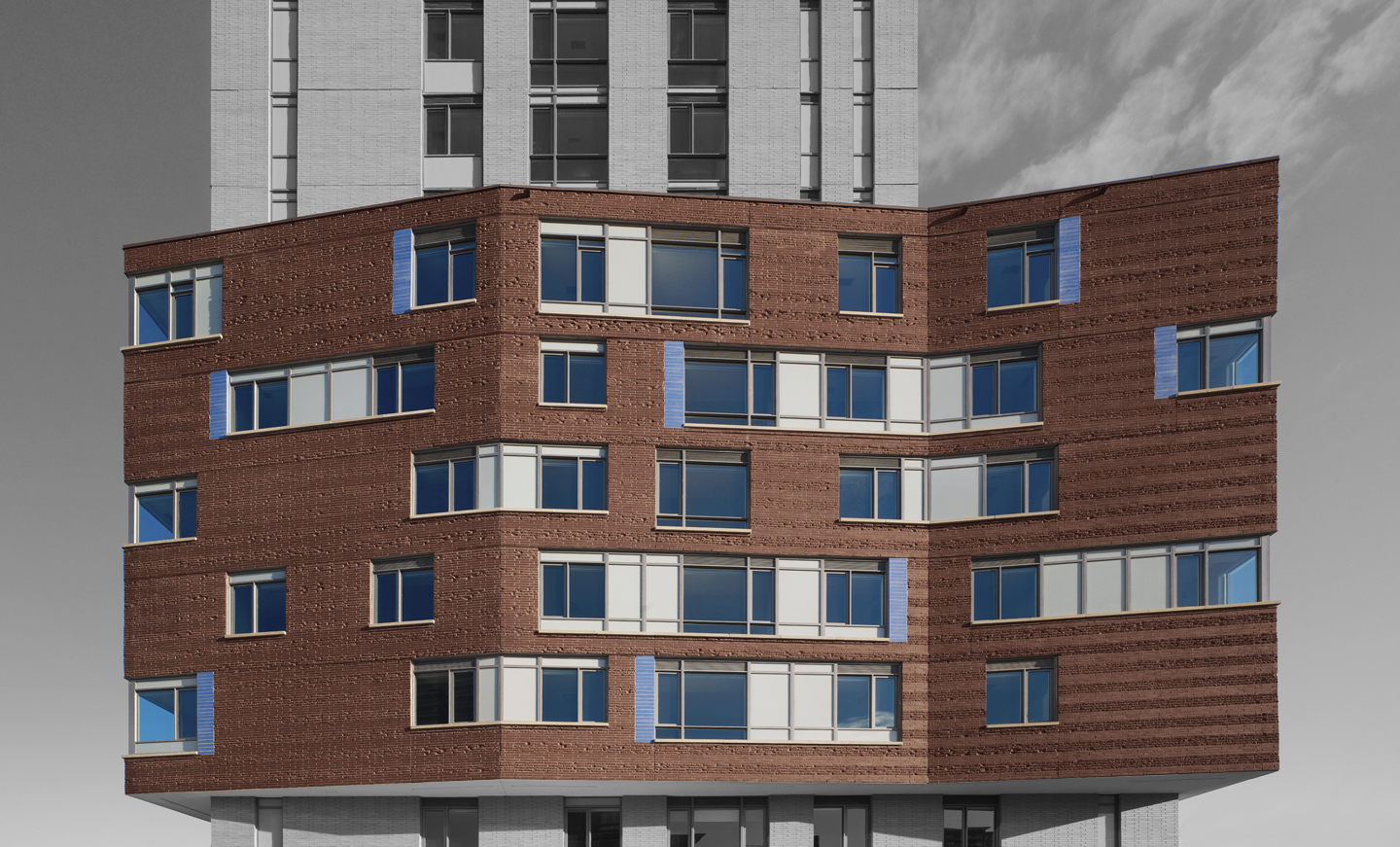

Peters specializes in architectural acoustics, environmental simulation, computational design, and digital fabrication. He uses computer programming, parametric modelling, and simulation to design performance-driven forms, and is skilled in the communication and fabrication of buildings with complex geometry. He received his PhD in Architecture from the Royal Danish Academy of Fine Arts in Copenhagen, Denmark, a Professional Master of Architecture from Dalhousie University, a Bachelor of Environmental Design (Distinction) from Dalhousie University, and, Bachelor of Science in Geography (Distinction) from the University of Victoria.
 
Professionally, Peters was an Associate Partner at Foster + Partners, one of the world's most highly regarded architecture practices. As a key member of the Specialist Modelling Group (SMG), the office's internal research and development consultancy, Peters was involved in many projects using complex geometry and environmental simulation. He has a multi-disciplinary approach to design and has also worked in the London office of design-led engineering practice Buro Happold.

Academically, Peters teaches graduate level courses in design studio, computational design, comprehensive building design, and visual communication focusing on parametric modelling and digital fabrication.  He also teaches computation and design in the undergraduate program. Peters is a Director of Smartgeometry, an organization that promotes the use of computation in architecture.  He has published 25 peer-reviewed papers, written five book chapters, and edited two books. He is also the author of Computing the Environment: Digital Design Tools for Simulation and Visualisation of Sustainable Architecture (Wiley, 2017).