Yusuke Obuchi

15.09.25 - Yusuke Obuchi is the Daniels Faculty’s 2025-26 Gehry Chair

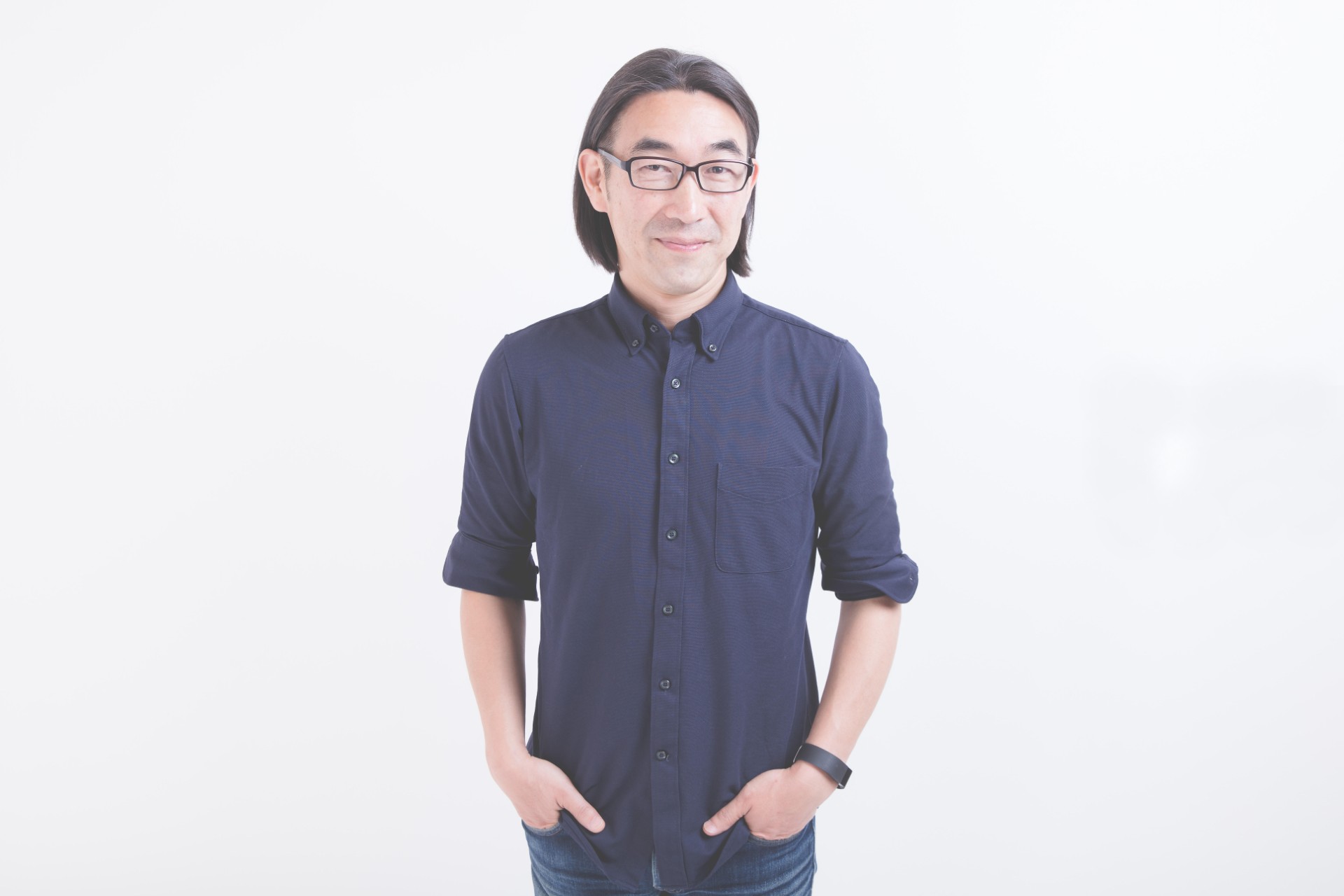
The Daniels Faculty is pleased to announce that University of Tokyo Associate Professor Yusuke Obuchi is the 2025-26 Frank Gehry International Visiting Chair in Architectural Design.

Yusuke Obuchi is an Associate Professor of Architecture at the University of Tokyo, where he has directed the Obuchi Laboratory since 2010 and co-founded the Advanced Design Studies Program. Previously, he co-directed the Design Research Laboratory at the Architectural Association in London (2005–2010). He studied architecture at Princeton, SCI-Arc, and the University of Toronto, and has taught at Princeton, Harvard GSD, Hong Kong University, the University of Kentucky, and NJIT.

Obuchi will kick-off our Fall Public Program this Thursday. Join us!

September 18, 6:30 p.m.
Gehry Chair Lecture: Design Sustainability with Empathy: Human-Centric Computational Design and Fabrication

Supplied photo by Denise Pontak

Shirley Blumberg and Marianne McKenna

05.09.25 - Shirley Blumberg (BArch 1976) and Marianne McKenna recognized with RAIC Gold Medal

Shirley Blumberg (BArch 1976) and Marianne McKenna, founding partners with KPMB Architects, have been recognized with the Royal Architectural Institute of Canada (RAIC) Gold Medal.

The RAIC’s highest honour is given in recognition of significant and lasting contributions to Canadian architecture. Awardees are celebrated for their lasting influence through excellence in design, research or education.

Blumberg, who studied architecture at U of T, is acknowledged for her contributions to design and social justice. She helped found Building Equality in Architecture Toronto (BEAT) and has designed projects for community housing and Indigenous communities. Her works include U of T Scarborough’s Faculty of Management and the 2006 renovation of the Gardiner Museum.

“Shirley is also rare among architects for her fearless principled advocacy and use of her talents and knowledge... where the public interest is challenged and her values lead her into the fray,” wrote architect Ken Greenberg for the RAIC in its announcement of the award.

McKenna – who developed and implemented the professional practice course at the John H. Daniels Faculty of Architecture, Landscape, and Design and designed the Rotman School of Management’s award-winning 2012 expansion – was recognized for her commitment to community-building and contributions to creating architecture that enriches public life.

“Her sophisticated approach and steadfast commitment to meaningful, regenerative architectural solutions have inspired and mentored generations of emerging architects,” wrote architect Renee Daoust for the RAIC.

Both architects have previously been honoured with the Order of Canada.

Read the RAIC announcement

08.10.25 - Explore Academic Programs at the Daniels Faculty: Fall 2025 Information Sessions

Whether you're exploring your next academic step, considering a career change, or simply curious about the programs offered at the Daniels Faculty—we invite you to join us online this Fall for a series of Information Sessions running from October to December 2025. 

These online Information Sessions are your opportunity to learn more about our graduate and undergraduate programs in architecture, landscape architecture, urban design, visual studies, and forestry. Hear directly from program directors, who will share insights into each program’s structure, curriculum, and admissions process—alongside opportunities to ask questions and get a closer look at what it's like to study at the John H. Daniels Faculty of Architecture, Landscape, and Design. 

All Information Sessions are free to attend and open to prospective students. 

Watch the Portfolio Workshop for prospective graduate students


Wednesday, October 8 | Undergraduate 

Bachelor of Arts, Architectural Studies (BAAS) 

Watch the live recording with Assistant Professor Peter Sealy, Program Director

Tuesday, October 21 | Undergraduate 

Learn more about the Architectural Studies and Visual Studies programs at the University of Toronto's John H. Daniels Faculty of Architecture, Landscape, and Design.

Watch the live recording presented by Gwendolyn Gringhuis, Assistant Registrar, International & Recruitment 

Wednesday, October 22 | Graduate 

1:00 p.m. to 2:00 p.m. (EDT)
PhD in Architecture, Landscape, and Design

Watch the live recording with Professor Claire Zimmerman, Director of the PhD in Architecture, Landscape, and Design

Thursday, October 23 | Undergraduate 

5:00 p.m. to 6:00 p.m. (EDT)
Bachelor of Arts, Architectural Studies (BAAS) 

Join Assistant Professor Peter Sealy, Program Director, to learn more about the Honours Bachelor of Arts in Architectural Studies (BAAS) program at the University of Toronto's John H. Daniels Faculty of Architecture, Landscape, and Design.

Watch the live recording with Assistant Professor Peter Sealy, Program Director

Tuesday, October 28 | Graduate 

9:00 to 10:00 a.m. (EDT) 
Master of Visual Studies (MVS)

Join Assistant Professor Gareth Long, program director, to learn more about the Master of Visual Studies programs at the University of Toronto's John H. Daniels Faculty of Architecture, Landscape, and Design: Curatorial Studies and Studio Art

Watch the live recording with Assistant Professor Gareth Long, Program Director

Wednesday, October 29 | Graduate 

9:00 a.m. to 10:00 a.m. (EDT)
Master of Architecture (MARC)

Join Associate Professor Vivian Lee, program director, to learn more about the Master of Architecture (MARC) program at the University of Toronto's John H. Daniels Faculty of Architecture, Landscape, and Design.

Watch the live recording with Associate Professor Vivian Lee, Program Director


Friday, November 7 | Graduate 

9:00 a.m. to 10:00 a.m. (EST)
Master of Urban Design (MUD) and Post-Professional (MARC and MLA)

Join Professor Mason White, program director, to learn more about the post-professional design degrees at the University of Toronto's John H. Daniels Faculty of Architecture, Landscape, and Design:   

Watch the live recording with Professor Mason White, Program Director
 

Monday, November 10 | Graduate 

3:00 p.m. to 4:00 p.m. (EST)
PhD and Master of Science in Forestry (MScF)

Join Associate Professor John Caspersen, program director, to learn more about the Master of Science in Forestry (MScF) and PhD in Forestry at the University of Toronto's John H. Daniels Faculty of Architecture, Landscape, and Design.

Watch the live recording with Associate Professor John Caspersen, Program Director 

Tuesday, November 11 | Graduate 

Watch the live session recording with Professor Claire Zimmerman, Director of the PhD in Architecture, Landscape, and Design

Thursday, November 13 | Graduate (In-person or virtual)

5:00 p.m. to 6:00 p.m. (EST)
Master of Forest Conservation (MFC)

Join Assistant Professor Sally Krigstin, MFC program coordinator, to learn more about the Master of Forest Conservation program at the University of Toronto's John H. Daniels Faculty of Architecture, Landscape, and Design. In-person info session at Boardroom ES 1016B, Earth Sciences Centre, 33 Willcocks Street, Toronto or participate remotely via Zoom.

Tuesday, November 18 | Graduate

5:00 p.m. to 6:00 p.m. (EST)
Master of Architecture (MARC)

Join Professor Vivian Lee, program director, to learn more about the Master of Architecture (MARC) program at the University of Toronto's John H. Daniels Faculty of Architecture, Landscape, and Design.

Session recording coming soon

Wednesday, November 19 | Undergraduate

9:00 a.m. to 10:00 a.m. (EST)
Bachelor of Arts, Architectural Studies (BAAS) 

Join Assistant Professor Peter Sealy, Program Director, to learn more about the Honours Bachelor of Arts in Architectural Studies (BAAS) program at the University of Toronto's John H. Daniels Faculty of Architecture, Landscape, and Design.

Session recording coming soon

Thursday, November 20 | Graduate

9:00 a.m. to 10:00 a.m. (EST)
Master of Landscape Architecture (MLA) 

Join Professor Elise Shelley, program director, to learn more about the Master in Landscape Architecture at the University of Toronto's John H. Daniels Faculty of Architecture, Landscape, and Design.

Session recording coming soon

Thursday, November 25 | Undergraduate

5:00 to 6:00 p.m. (EST) 
Bachelor of Visual Studies (BA)

Join Professor Gareth Long, program director, to learn more about the undergraduate Visual Studies program at the University of Toronto's John H. Daniels Faculty of Architecture, Landscape, and Design.

Register to join us online via Zoom


Wednesday, December 3 | Undergraduate 

6:00 p.m. to 7:00 p.m. (EST)
Bachelor of Arts, Architectural Studies (BAAS) 

Join Assistant Professor Peter Sealy, Program Director, to learn more about the Honours Bachelor of Arts in Architectural Studies (BAAS) program at the University of Toronto's John H. Daniels Faculty of Architecture, Landscape, and Design.

Register to join us online via Zoom 

Thursday, December 4 | Graduate 

5:00 p.m. to 6:00 p.m. (EST)
Master of Forest Conservation (MFC)

Join Assistant Professor Sally Krigston, MFC Program Coordinator, to learn more about the Master of Forest Conservation at the University of Toronto's John H. Daniels Faculty of Architecture, Landscape, and Design.

Register to join us online via Zoom


Thursday, January 15 | Graduate (In-person or virtual)

4:00 p.m. to 5:00 p.m. (EST)
Master of Forest Conservation (MFC)

Join Assistant Professor Sally Krigstin, MFC program coordinator, to learn more about the Master of Forest Conservation program at the University of Toronto's John H. Daniels Faculty of Architecture, Landscape, and Design.

In-person info session at Boardroom ES 1016B, Earth Sciences Centre, 33 Willcocks Street, Toronto or participate remotely via Zoom.

Friday, March 6 | Graduate 

12:00 p.m. - 1:00 p.m. (EST)
Master of Forest Conservation (MFC)

Join Assistant Professor Sally Krigstin, MFC program coordinator, for a Q&A session about applying to the Master of Forest Conservation program at the University of Toronto's John H. Daniels Faculty of Architecture, Landscape, and Design.

Join online via Zoom

Daniels Building

02.09.25 - Welcome from Acting Dean Robert Levit 2025-2026

Welcome to the start of the 2025-2026 academic year!

Whether you’re a returning student at Daniels or this term is your first, I hope that your time at the Faculty is a happy and productive one. Our school is a special place at the University of Toronto and within the city and we want you to reap as much from your experience here as possible.

Over the next few weeks and months, I’ll look forward to connecting with as many of you as I can. If you have any questions or concerns now or throughout the coming year, please reach out to either the Office of the Dean (daniels-dean@daniels.utoronto.ca) or the Office of the Registrar and Student Services (registrar@daniels.utoronto.ca) at any time. 

This year as in previous ones, your coursework will be complemented by an exciting roster of extracurricular offerings. Launching this month, our Fall 2025 Public Program series includes lectures and presentations by some of the leading designers, artists, researchers and thinkers in their fields. 

The series will kick off in two weeks, on September 18th, with a lecture by this year’s holder of the Frank O. Gehry International Visiting Chair in Architectural Design, Yusuke Obuchi, a Professor of Architecture at the University of Tokyo, who examines how computational design, robotic fabrication, and AI-driven systems can move beyond productivity and efficiency to help redefine the irreplaceable human role in construction.

In addition, look out for the staging of two new exhibitions at 1 Spadina this term - The Howarth-Wright at 25 (opening September 23rd) and The New Stone Age: Towards an Ethical Architecture (opening November 6th)—as well as a range of year-round activities planned around the National Day for Truth and Reconciliation, Black History Month and other noteworthy dates. 

Your schoolwork, of course, will keep you very busy, but I urge you to attend and to take in as many of these inspiring and illuminating events as you can. The Public Program at Daniels is a valuable resource available to our entire community and we hope that you’ll take advantage of it to the fullest. 

Have a great first semester!

Robert Levit (he/him)
Acting Dean
John H. Daniels Faculty of Architecture, Landscape, and Design

Becky Martin (MLA 2025)

18.09.25 - Rebecca Martin (MLA 2025) receives Award of Excellence from the American Society of Landscape Architects

Rebecca Martin, a graduate of the University of Toronto’s John H. Daniels Faculty of Architecture, Landscape, and Design, has received a 2025 Award of Excellence from the American Society of Landscape Architects (ASLA).

Student awardees from around the world are recognized for graduate work in one of eight categories, providing a glimpse into the future of the profession. Landscape architects are uniquely positioned to engage complex contemporary issues such as climate change, urbanization, ecological resilience, social equity and cultural reconciliation. 

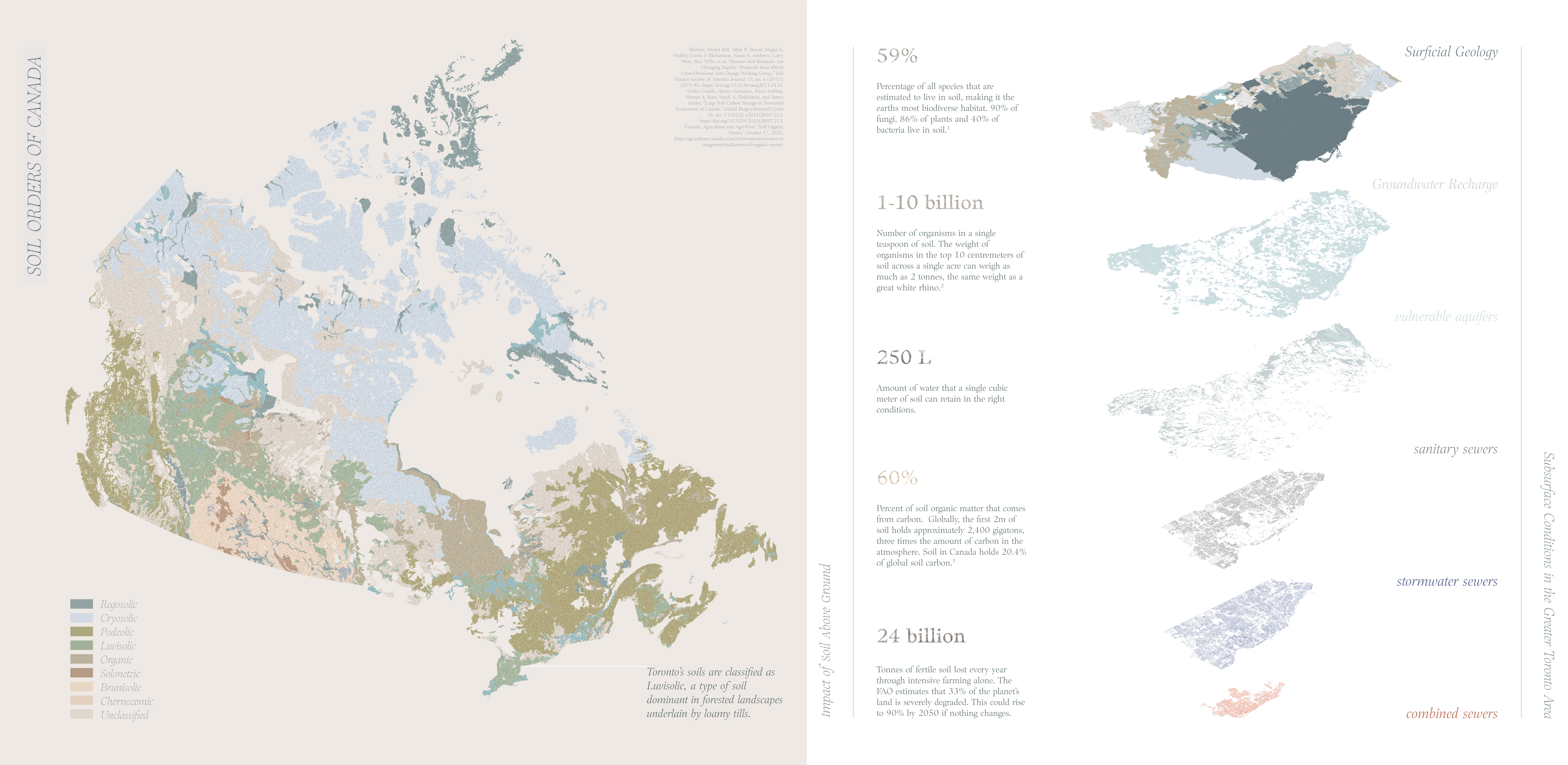
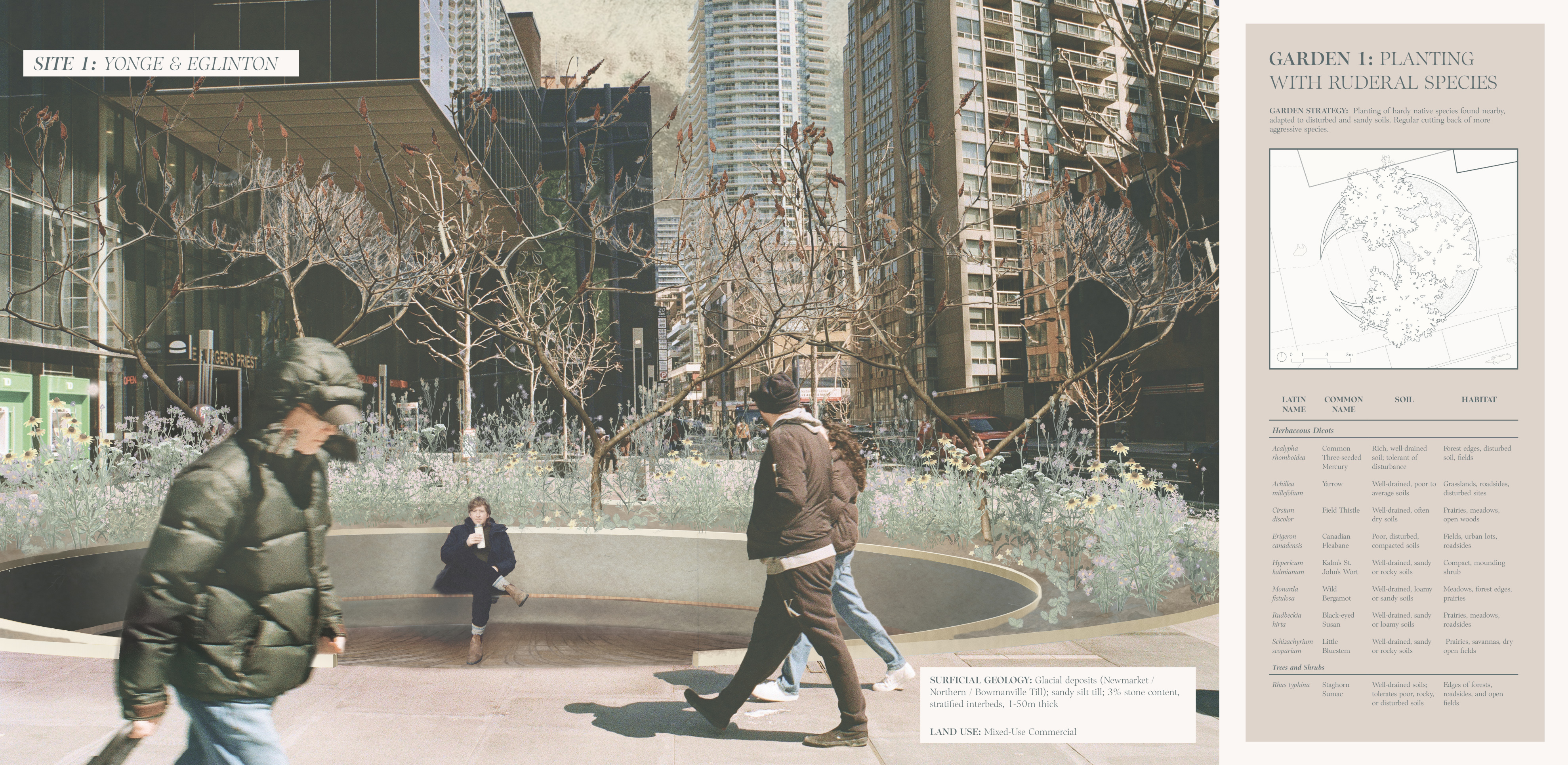
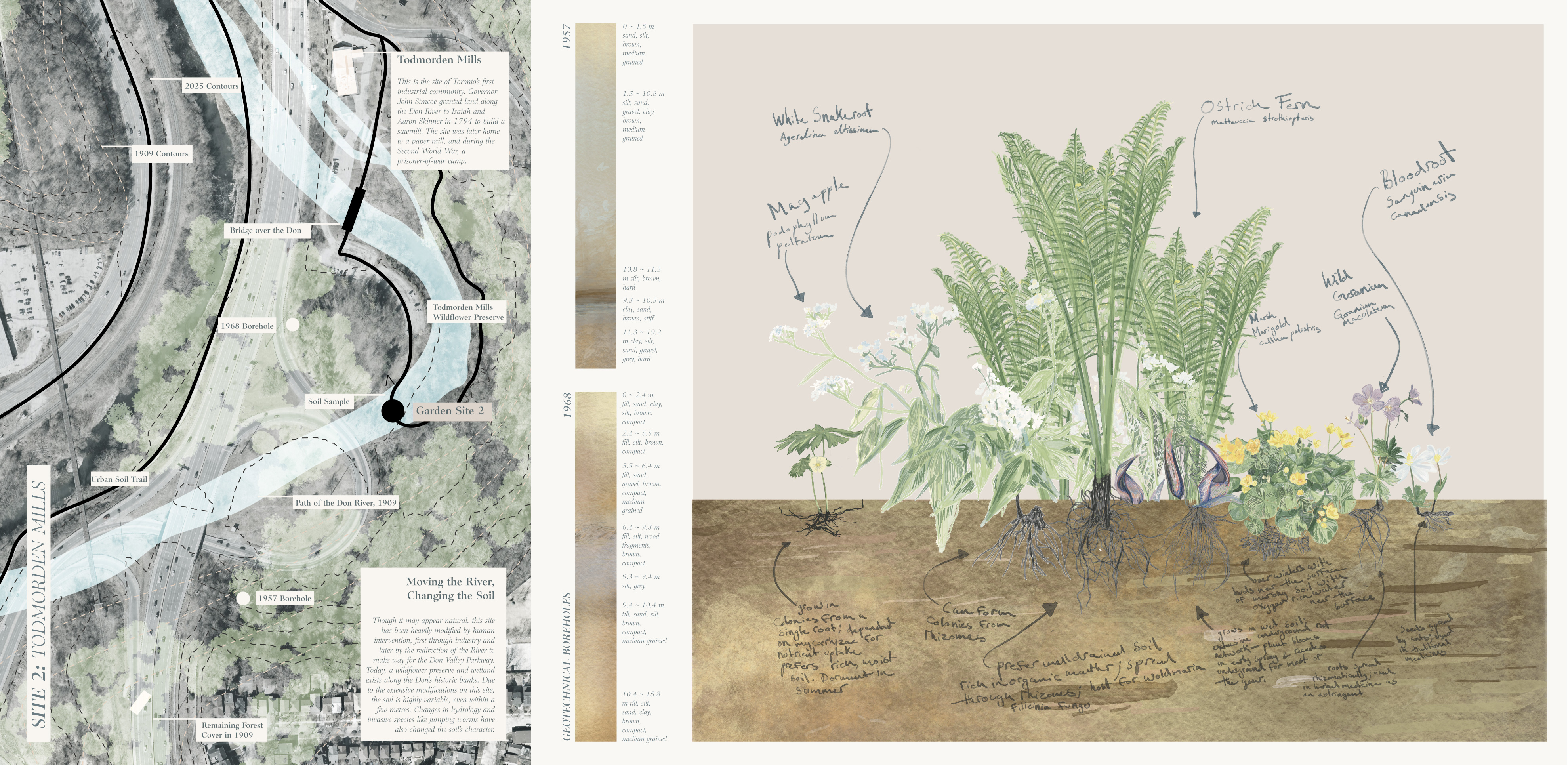
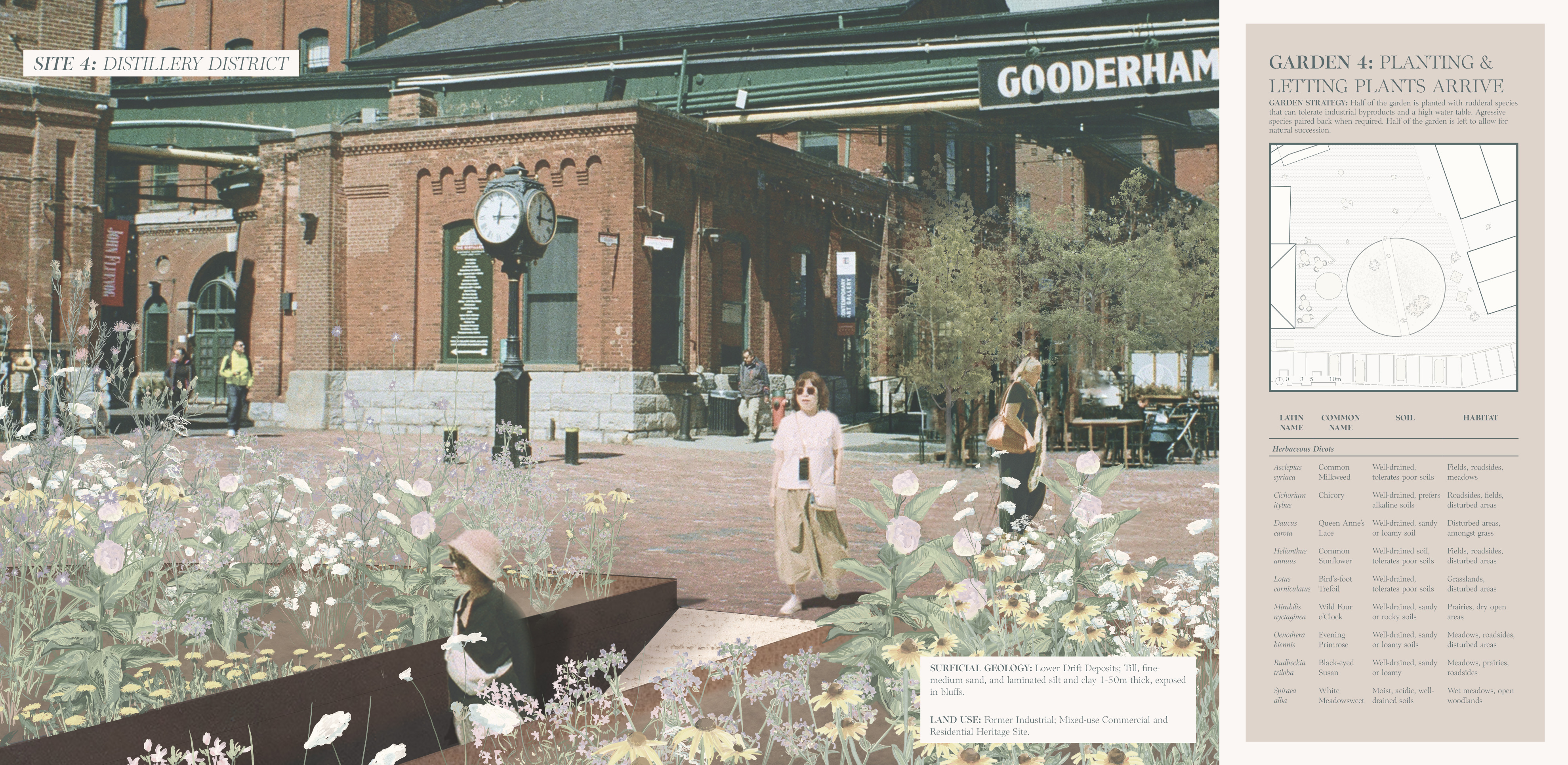
Martin received the top honour in the general design category for her Master of Landscape Architecture project, “Opaque Ground: Reimagining Human-Soil Relations in the Lower Don.” Her project proposes an urban soil survey followed by the creation of experimental gardens in existing soil along a 10-kilometer trail in Toronto’s lower Don Valley sub-watershed. The project promotes soil literacy by demonstrating its role in regulating water cycles, storing carbon and sustaining life. Her faculty advisor was Daniels Associate Professor Alissa North.

The jury citation said Martin’s project, “Richly illustrated exploration of our essential but underappreciated soil and its role in renewing our urban environment.”

Martin will be recognized at the ASLA award ceremony in New Orleans, LA this October.

six artworks from the black flourishing exhibition

Black Flourishing: Six Student Artworks

-

Historic Stairwell, Daniels Building

This temporary installation of student artwork in the Historic Stairwell between the second and third floors in the Daniels Building is a reflection of multiple and diverse interpretations of Black flourishing and diverse reflections of Blackness in design and in community.

In response to an open call by the Daniels Art Directive and the Daniels Faculty during the Winter 2023 term, these six artists offer their creative expression of Black traditions and futures of excellence. In alignment with the broad objectives of the University of Toronto’s Anti-Black Racism Report (2021) and the Scarborough Charter on Anti-Black Racism and Black Inclusion in Higher Education: Principles, Actions and Accountabilities (2021), this installation celebrates and promotes Black art and representation in university spaces.

Artist Statements

Black Flourishing by Ally DeLuca 

“This work explores the concept of ‘Black Flourishing’ and the ample consciousness and understanding of black human power. The viewer will notice the portrait is in black and white, which conveys that race, ethnicity and one’s background do not impact one’s creative capabilities, which are represented by the bright and colourful explosion of imagination that is emanating from the subject’s mind.”

To Become by Renée Powell-Hines 

“I said to the sun, ‘Tell me about the big bang.’ The sun said, ‘It hurts to become.’ ” - Unknown

To Become centres around my interpretation of change. The focus of this piece is the toll of change, and the impact of the hand, forever taking, on our natural environment, struggling to give. This concept of the toll of change can be seen and felt in many aspects of everyday life; in contrast, sometimes monotony can take just as much of a negative toll. A lack of change can perpetuate a tendentious system, and if that system alienates or neglects a set group of people, this creates a barrier to success. Unfortunately, the onus to enact change is often placed on that neglected group, which already struggles due to a lack of support and is then further weighed down with the responsibility to lift itself and its people up. They are forced to give every part of themselves to a system that holds one hand out and conceals a wealth of untapped resources in the other; but still, the alienated will press on, with the hope that the next generation will benefit from their timeless efforts.”

Boxed In by Kodi Ume-Onyido 

“In my acrylic piece, Boxed In, I explore the relationship between myself, a black student, and the work environment at the Daniels Faculty. In order to reveal the subtle yet extreme differences in experiences between myself and other students, I recreated the everyday happening of working in the studio. The architecture materials sprawled upon and under the table depict the willingness and tenacious work ethic that black students display, but also our responsibility to succeed under any circumstance. Ghosted figures interact with one another as I am surrounded by empty chairs in a deconstructed black box that symbolizes the discrete lack of relationality I feel as the only black male in second year. The box is “exploding,” rather than being completely enclosed, to represent the openness and inclusivity that Daniels focuses on and is progressively improving. This aligns with the theme of the open call due to the piece representing the common black experience at the Daniels faculty. Although the painting seems to show isolation, it actually promotes the idea of representation and multiculturalism that the University of Toronto strives to achieve and strengthen through the placement of chairs. Rather than being tucked in and unapproachable, the seats are scattered and facing figures that appear to have just gotten up, inviting them to once again take a seat at their leisure.”

Who We Are by Tamilore Ayeye 

“As Black students, we are often questioned about our identity and values but that should never be the case. I often ask myself, ‘Who are we?’ ‘What are the values that embody the Black community?’ My intention for this mural is to celebrate and honour the richness and diversity of Black culture and identity. I aim to showcase the words that highlight the resilience and strength of the Black community and to create a space that affirms Black students, staff and visitors in our school. Through this mural, I hope to empower and inspire Black students to embrace who they are and truly believe in their uniqueness within their heritage with pride and to recognize their full potential to thrive and succeed. I have chosen the values of ‘Bold, Love, Action, Courage, Kind’ as the words centres on the mural in a college with leaves in the background signifying growth as a community. These words are not just an answer to the question of this mural but to also embody the values and aspirations of the Black community and to inspire everyone who sees this mural to embody these values in their own lives. I believe that this mural will serve as a beacon of hope, resilience and affirmation for the black community at Daniels and I am excited to see the impact it has on the community at Daniels.” 

Black in the crux of Design by Julien Todd 

“I wanted to create a piece which depicted the connection Black people have with the construction of modern Turtle Island. I would describe the piece as constructivist. The building centralized in the artwork is a historic image of a building at Bloor and Bathurst, a historically Black neighbourhood in Toronto. It forms a trifecta image with an anonymous Black woman and a depiction of the mountain scape in Banff, Alberta, a place where, historically, Black people were excluded from bathing in the natural springs. This image is representative of the Black experience in Canada with regard to the natural landscape and urban setting. Black people have historically experienced exclusion in both settings yet remained in Canada and left a mark on the cultural fabric of the country. Bloor and Bathurst, often referred to as “Blackhurst,” was a haven for Black immigrants to the country and is a testament to their resilience. The piece depicts how, even though Black people immigrating to this country were not welcomed on the land, they still found connection and established a home. This home is represented as still in construction within the work. The work empowers the spirit of Black resilience and prides Black constructivist design in a social and physical context.”

See Me by Tomi Bamigbade 

“The art piece highlights the representation of Black identities and Black experience. Often Black people are put in a box, identified by their hair and other physical appearance. This artwork highlights that Black people should not be put in a box due to their physical features but be seen for who they are on the inside. They are people who are more than their appearance and are capable of accomplishing amazing things. This digital art piece is also meant to bring light to digital art and afrofuturism. Black people are capable of having a place in the technology world.”

George Baird Lecture: Evolving Influence

-

Main Hall, Daniels Building

Join acclaimed Canadian architect Bruce Kuwabara as he discusses the influence of professor emeritus and former Daniels Faculty dean George Baird (by whom he was taught and for whom he once worked) on his approach to architecture and the public realm and on how it has informed the practice and work of KPMB Architects, the firm Kuwabara co-founded in the 1980s. In his lecture, Kuwabara will present KPMB buildings and projects that demonstrate how architecture contributes to the formation and vibrancy of the city while addressing the most pressing issues of our time, including climate change, affordability, mental health and reconciliation.

Bruce Kuwabara acquired his Bachelor of Architecture degree from the University of Toronto in 1972, is a founding partner of KPMB Architects and chairs the Board of Trustees of the Canadian Centre for Architecture. As co-founder of KPMB, he has worked on a wide array of acclaimed projects, including the National Ballet School in Toronto and the Remai Modern in Saskatoon. In 2006, he was awarded the Royal Architectural Institute of Canada’s Gold Medal. In 2012, he was made an Officer of the Order of Canada for “shaping our built landscape in lasting ways.”

Portrait by Karri North

hector

Housing Multitudes Roundtable and Lecture

-

Register to attend daytime roundtable
Register to attend evening lecture

Join the Daniels Faculty for this afternoon workshop complementing the Housing Multitudes: Reimagining the Landscapes of Suburbia study and exhibition, followed by an evening lecture featuring Jae Shin and Damon Rich, principals of Newark-based HECTOR urban design.

Housing Multitudes Roundtable: Crafting Creative Housing Solutions for a Better, Healthier Future
3:00 p.m. – 5:30 p.m.
Architecture and Design Gallery, Daniels Building

This daytime workshop uniting urban scholars, designers, planners, community developers and policy specialists will explore how to take some of the ideas of the Housing Multitudes exhibition forward. Discussion will be especially focused on what is being forgotten or ignored in the proposed “solutions” to housing shortages and affordability that Ontario’s Bill 23, and Toronto’s Housing Action Plan, seek to address.

The event will centre on two questions primarily: 1. How can “first growth” suburban neighbourhoods and communities transform the physical infrastructure that surrounds them for greater economic, social and ecological benefit? And 2. What planning, finance and design strategies can Toronto leverage to evolve its vast suburban geography in a way that accommodates its housing needs, makes communities more liveable and contributes to the sustainability of the city? And how might we pilot these ideas? 

Roundtable participants will include:

Misha Bereznyak
Architect and Urban Designer, Smart Density

Alex Bozikovic
Architecture Critic, The Globe and Mail

Jaegap Chung
Architect and Principal, Studio JCI

Juan Du
Dean and Professor, Daniels Faculty, University of Toronto

Lesli Gaynor
Owner, Goco Solutions

Meg Graham
Architect and Partner, superkül

Marcel Greaux
Founder and CEO, Garrison

Karen Kubey 
Urbanist and Assistant Professor, Daniels Faculty, University of Toronto

Heela Omarkhail
Vice President - Social Impact, The Daniels Corporation

John Lorinc
Urban Affairs Journalist and Writer

Patricia McCarney
Professor of Political Science, University of Toronto
President and CEO, World Council on City Data

Fadi Masoud
Assistant Professor and Director of the Centre for Landscape Research, Daniels Faculty, University of Toronto

Michael Piper
Assistant Professor of Architecture and Urbanism and Director of the Master of Urban Design program, Daniels Faculty, University of Toronto

Damon Rich
Designer and Urban Planner, Partner at HECTOR

Jae Shin
Architectural and Urban Designer, Partner at HECTOR

Matti Siemiatycki
Professor of Geography and Planning at the University of Toronto, Director of the Infrastructure Institute at U of T’s School of Cities

Shoshanna Saxe
Associate Professor of Civil and Mineral Engineering at the University of Toronto, Canada Research Chair in Sustainable Infrastructure

Leslie Woo
Urban Strategist and CEO, Civic Action

The roundtable will be moderated by Richard Sommer, Professor of Architecture and Urbanism at the Daniels Faculty and Director of the Faculty’s Global Cities Institute.

Evening Lecture: Freedom Schools for Accountable Architecture
Featuring Jae Shin and Damon Rich of HECTOR

6:30 p.m. – 8:00 p.m.
Main Hall, Daniels Building

With questions such as Where do roads come from?, popular educators in the US Black Freedom Movement like Septima Clark have long used discussions about architecture and the built environment to unpack ideas of citizenship, politics and power. People’s observations and analyses of built form offer insights into the surroundings we share and opportunities for collective action to change it. In this lecture, Jae Shin and Damon Rich of HECTOR urban design will share stories from their attempts to learn from this tradition of popular education as a resource for architecture, urban design and planning. 

Based in Newark, HECTOR practices urban design, planning and civic arts. Informed by traditions of visionary architecture, popular education and community organizing, it works on landscapes, buildings, development plans and regulations with complex constituencies and competing priorities. Founded by Jae Shin and Damon Rich based on their experiences working as designers within municipal bureaucracies, HECTOR’s recent projects include a South Philadelphia neighbourhood park, a youth-centric development plan for a district of 37,000 people on Detroit’s west side, and a memorial for ecofeminist Sister Carol Johnston. The MacArthur Foundation has described HECTOR’s designs as “vivid and witty strategies to help residents exercise power within the public and private processes that shape our cities.” 

30.03.22 - In memoriam: John H. Andrews (1933-2022)

John Andrews, the Australian-born architect who chaired the University of Toronto’s Department of Architecture in the late 1960s and was responsible for some of Canada’s and U of T’s most iconic structures, has passed away at the age of 88. He died in Sydney, his city of birth, on March 24. 

It was a stroke of luck — and brilliance — that first brought Andrews to Canada. While he and American classmate Macy DuBois were still students in the post-professional program at Harvard University’s Graduate School of Design, the young pair beat out hundreds of contenders to become one of the eight final teams vying to design Toronto’s New City Hall.  

Their proposal — a low-slung, waffle-textured building with a circular pool in the front and an undulating roof on top — ultimately lost out to Viljo Revell’s, but “it was considered an impressive performance,” recalls Professor Emeritus George Baird, former Dean of the Daniels Faculty (and one of Andrews’s later hires in the Architecture Department).  

The 1958 submission by then-students John H. Andrews and Macy DuBois for Toronto’s New City Hall featured an undulating roof and circular reflecting pool. (Photo by Panda Associates/City of Toronto Archives, Series 843, File 135)

On the strength of their performance, both Andrews and DuBois decided to stay on in Toronto, with the former eventually working on New City Hall as a staffer at John B. Parkin Associates, the local architects for the project. In the early 1960s, Andrews also joined U of T’s School of Architecture as a faculty member, teaching there for much of the rest of the decade.  

In 1967, when the School became a full-fledged Faculty comprising three departments (Architecture, Landscape Architecture, Urban and Regional Planning), Andrews became the Department of Architecture’s first chairman under the new structure. As his own practice grew, however, his ability to provide “full-time political and design leadership to the school,” as Baird recalls, became limited, so he eventually stepped down in 1969. 

The architect had established his practice, John Andrews Associates, around the same time that he had joined U of T. The firm came to specialize in academic buildings, realizing well-regarded structures for the University of Guelph, Brock University and the University of Western Ontario. It also took on the task of developing the master plan for U of T’s new campus in Scarborough (with planner Michael Hugo-Brunt and landscape architect Michael Hough) and of designing its very first building.

A 1966 image of Scarborough College, described by Professor Emeritus Larry Wayne Richards as “one of Canada’s most important modern buildings.” (Photo courtesy University of Toronto Archives)

That building — UTSC’s sprawling Humanities and Science Wings, aka the Andrews or Scarborough College Building — was recognized as special almost immediately. When it was first opened to students in 1966, it wasn’t hailed by all, but it was championed by many critics and featured on magazine covers. It is now regarded as an exemplar of brutalist construction. 

The design, wrote Professor Emeritus Larry Wayne Richards, former Dean of the Daniels Faculty, in his 2019 Campus Guide to the University of Toronto: An Architectural Walking Tour, is “an astonishing essay in form, space and light.” Its importance, he added, is indisputable. 

“The fact remains that Scarborough College is one of Canada’s most important modern buildings, and it propelled Andrews into national and international spotlights,” wrote Richards. “Indeed, it can be argued that Scarborough College, along with Moshe Safdie’s Habitat structure for Expo 67 in Montreal, is one of the two iconic works of 20th-century Canadian architecture that continues to resonate internationally.” 

A few years after Scarborough College was completed, Andrews was enlisted to design what would become another Canadian landmark: the 553.3-metre-tall CN Tower, which remained the world’s tallest freestanding structure until 2007 and continues to dominate the Toronto skyline.  

Another career highlight saw Andrews return to his alma mater, the GSU at Harvard, to create much-acclaimed Gund Hall, completed in 1970. 

In his native land, to which Andrews eventually returned, he was remembered this week as “a giant of the Australian architectural fraternity and one of our first internationally recognized architects,” in the words of Tony Giannone, national president of the Australian Institute of Architects.  

That recognition, as Baird notes, first came in Toronto and especially at U of T, then translated into projects throughout North America. 

“It was a substantial career,” Prof. Baird says. “And his legacy at U of T is still being felt.” 

Banner image: Architect John Andrews, flanked by planner Michael Hugo-Brunt (on left) and landscape architect Michael Hough (at right), survey a model of their master plan for the University of Toronto’s then-new Scarborough campus. Andrews’s design of the campus’ first building — the sprawling Humanities and Science Wings — would come to be regarded as a brutalist masterpiece. (Photo by Jack Marshall Photography/University of Toronto Archives)  

09.03.22 - Spring Convocation to be held in person 

After two years of pandemic-related restrictions, some welcome news for Daniels Faculty students who are planning to graduate this June.   

Subject to any changes in public health guidelines, the Faculty and the University have confirmed that Spring Convocation, scheduled for June 2 to 24 at Convocation Hall, will be held in person.  

The restoration applies to undergraduate students who have requested to graduate at that time, as well as graduate students who are being put forward this term. 

“I am thrilled,” says Dean Juan Du, “that this important moment for our academic community will once again be in person.”  

Further updates will be communicated through the University’s Office of Convocation as details become available. The last in-person convocation at U of T was held in 2019.  

Banner image: Graduate banners flutter at the University of Toronto's Convocation Hall. (Photo by Diana Tyszko)