Claire Zimmerman

Professor
Director, PhD in Architecture, Landscape, and Design

claire.zimmerman@daniels.utoronto.ca

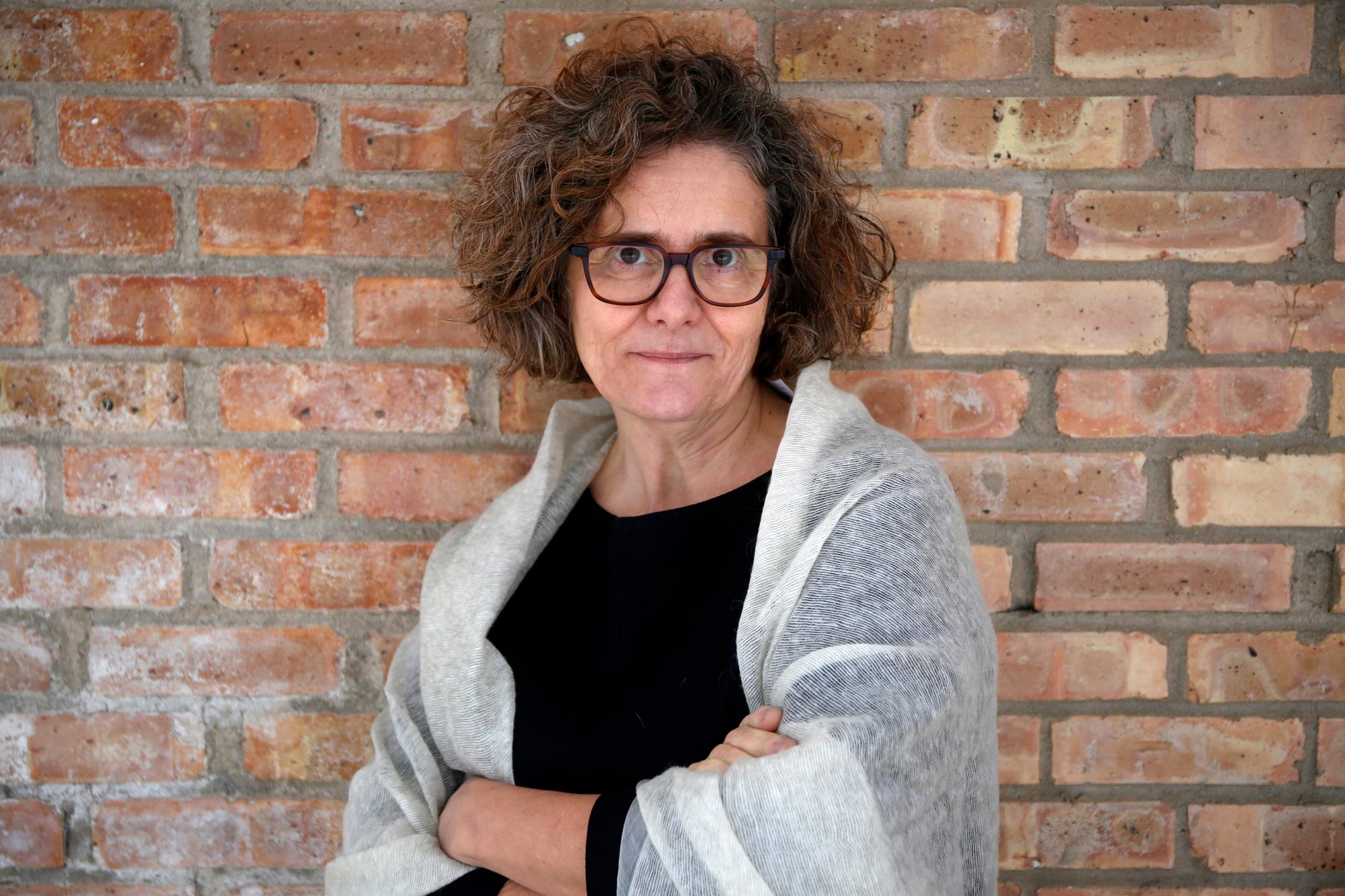
Claire Zimmerman directs the PhD Program in Architecture, Landscape, and Design at the University of Toronto Daniels Faculty. Her current projects include work on industrial architecture, a collective research project on The Costs of Architecture, a co-edited book titled Lines of Property, and a publication project on architectural collage. She has published three solo-authored books (in press: Albert Kahn Inc.: Architecture Labor, Industry), four edited books (most recent: Architecture against Democracy: Histories of the Nationalist International), and many articles, both long and short form. 

She studied at the University of Pennsylvania (B.A., 1985), Harvard University (MArch., 1990), and the CUNY Graduate Center (Ph.D., 2005). She directed Doctoral Studies in Architecture at the University of Michigan (2013-2019), where she co-founded the Equity in Architectural Education Consortium, a resource-sharing group of architectural schools with complementary needs. She has chaired the Committee on Equity in the Department of the History of Art and coordinated a community engagement project at UM, Black Washtenaw County (+$500,000). 

Zimmerman serves or has served on thirty-nine dissertation committees, as primary advisor for eleven. She is the Associate Editor of the Journal of the Society of Architectural Historians.

Sean Thomas

Professor
Associate Dean, Research

sc.thomas@utoronto.ca
T 416-978-1044

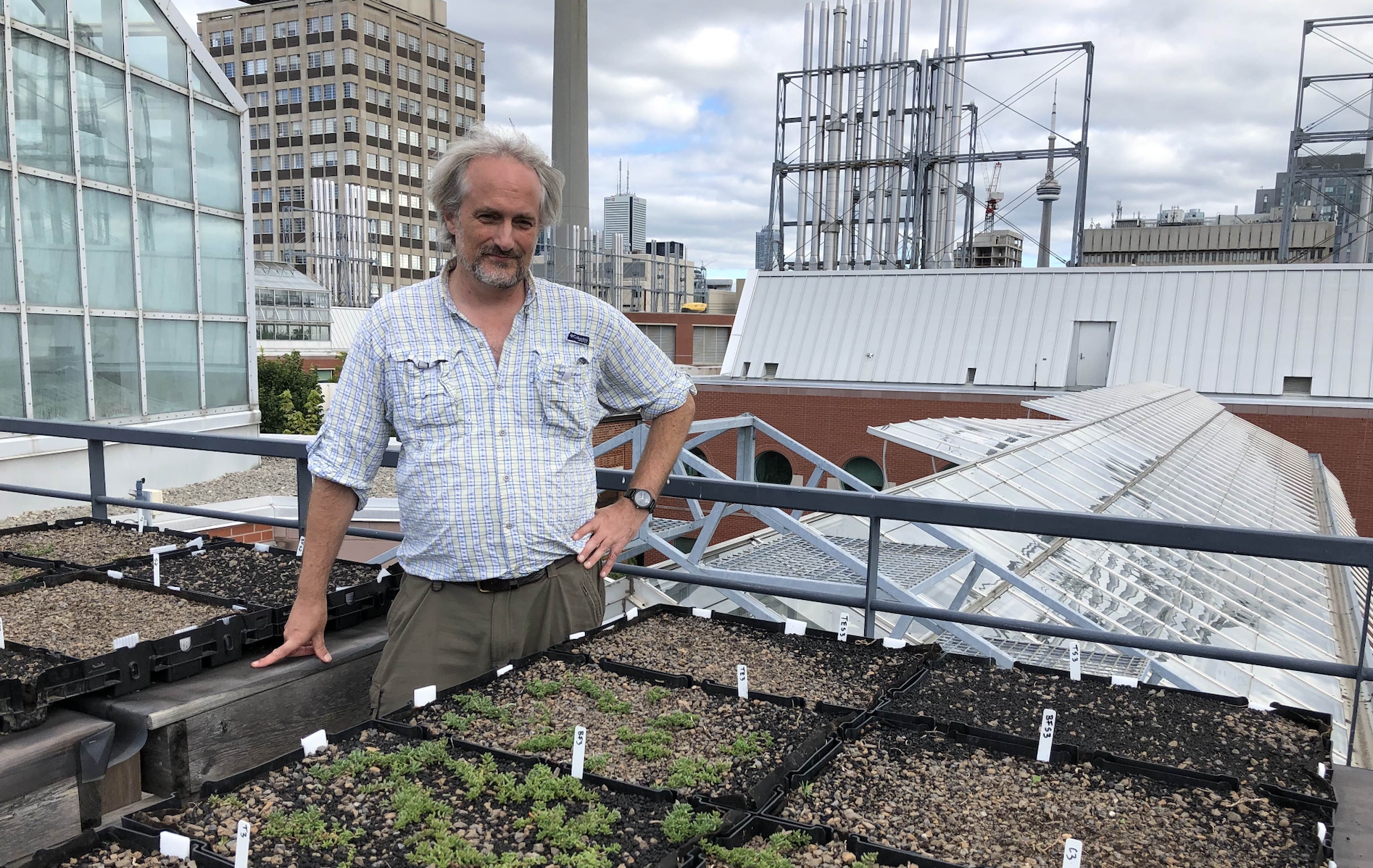
Dr. Thomas has been preoccupied with the comparative biology of trees and forest responses to the intentional and accidental impacts of humans for some 25 years. He has been at the University of Toronto since 1999, and is currently appointed as an NSERC Industrial Research Chair in Biochar and Ecosystem Restoration. Dr. Thomas’ research focuses on how trees and forests respond to human impacts — intentional impacts through forest management, and unintentional impacts via local, regional, and global changes in the environment. In this effort, he tries to link an understanding of functional ecology and ecophysiology of trees (“how trees work”) to patterns of growth, mortality, recruitment, and reproduction at the population scale, to patterns of community composition, and to ecoysystem processes, in particular carbon flux (“how forests work”). Sean Thomas’ lab is currently involved in projects in temperate and boreal forests in Canada, and tropical forests at a variety of sites.

John Caspersen

Associate Professor
Director, Forestry Programs

john.caspersen@utoronto.ca
T 416-946-8506

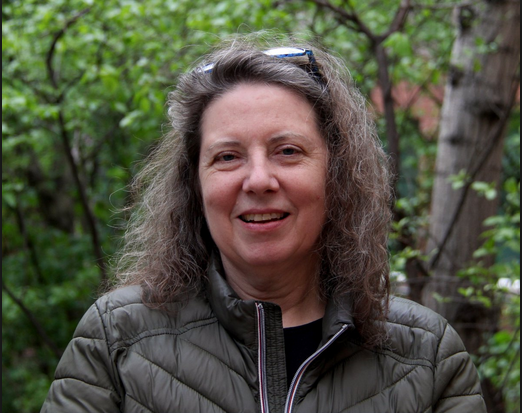
John Caspersen studies human impacts on the structure, composition, and function of forest ecosystems, as well as the interactions between forest ecosystems, the global carbon cycle, and climate. His goal is to understand how the production of wood, fibre and fuel can be balanced with the continued provision of other ecosystem services, including the maintenance of biodiversity, storage of carbon, and mitigation of climate change. Most of his research employs some combination of field work, modelling, remote sensing, life cycle analysis, and analysis of forest inventory data. Current research topics include:

  • Balancing wood production with other forest ecosystem services
  • Increasing the utilization of forest biomass for the production of energy
  • Managing forests to mitigate climate change
  • Anticipating the response of forests to climate change
  • Remote sensing of forest structure and composition

Gareth Long

Assistant Professor
Director, Visual Studies

gareth.long@daniels.utoronto.ca

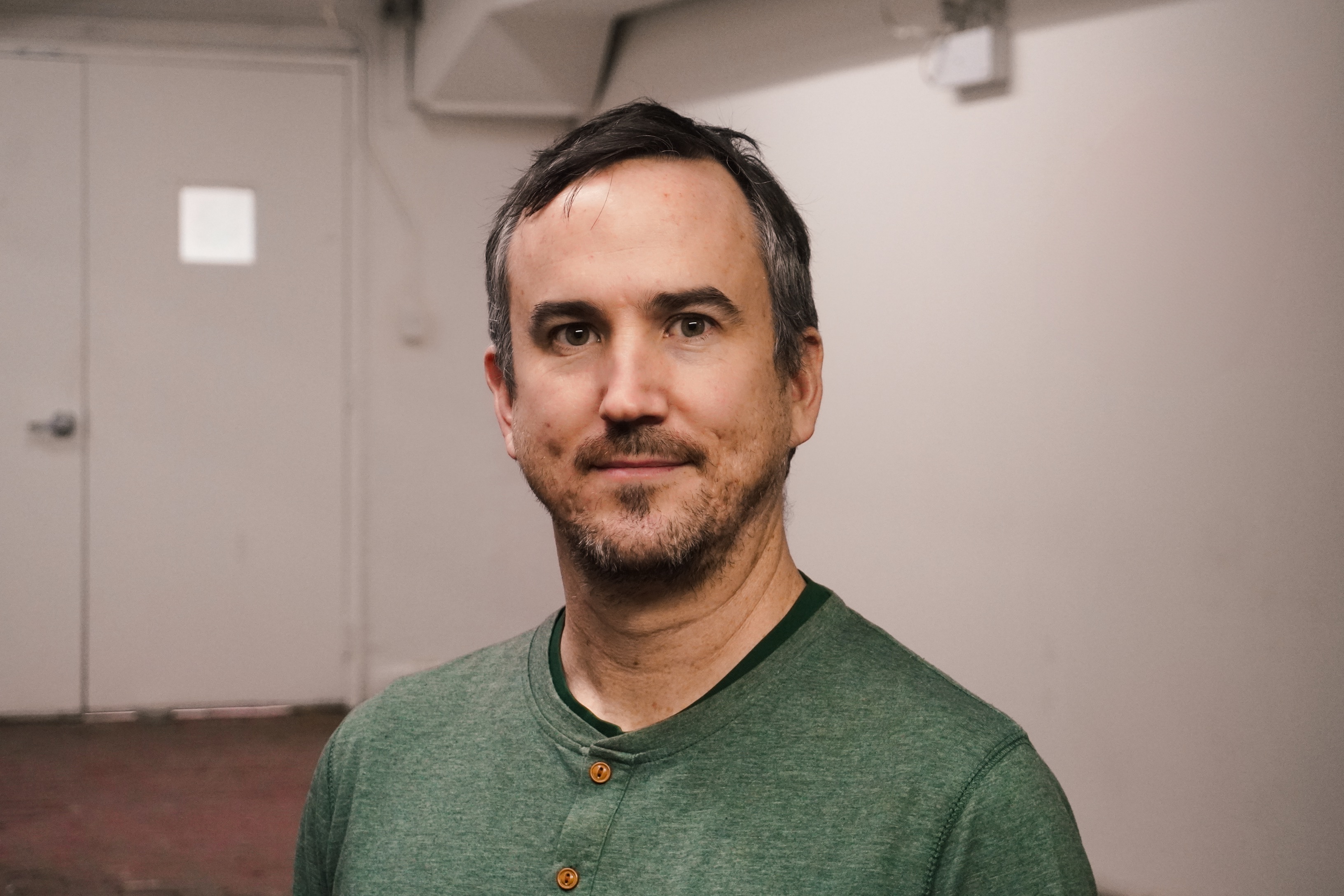
Gareth Long is an artist whose diverse artistic practice unifies around a range of recurring motifs: repetition, seriality, amateurism, translation, collaboration, pedagogy, knowledge transmission and the retelling of narratives. These various themes are mobilized in his work towards a larger project that dismantles notions of authorship and articulates a deep suspicion of originality and a clear investment in the domain of things already said, already written. Often, this has seen him working across the converging roles of artist, curator, archivist, editor, educator and student, as he has sought to further complicate notions of artistic creation and production. These themes are both a central thematic concern and a method in the production of the work.

Many of Long’s projects have often adopted a discursive mode of practice, engaging others in truly interdisciplinary, collaborative and pedagogically focused projects that include installations in the public realm, written texts, book-works, performances and discussions on the topics of cultural production, artistic labour, amateurism, copying and post-studio practice. Long is currently the Director of the Visual Studies program at the University of Toronto’s John H. Daniels Faculty of Architecture, Landscape, and Design, where he is also an Assistant Professor, Teaching Stream. Long has previously taught at numerous universities in North America and Europe. 

Long’s solo exhibitions have been staged at venues including Kunsthalle Wien, Austria; the Blaffer Museum, USA; the Southern Alberta Art Gallery, Lethbridge; Oakville Galleries, Oakville; Kate Werble Gallery, New York; Michael Benevento, Los Angeles; TORRI, Paris; SpazioA, Pistoia; Galerie Bernhard, Zurich; Super Dakota, Brussels; and Susan Hobbs Gallery, Toronto. His work has been shown at galleries and institutions such as MoMA PS1, Long Island City; Museum of Contemporary Art Denver, Denver; The Power Plant, Toronto; Musée d’art contemporain de Montréal, Montreal; Artists Space, New York; Casey Kaplan Gallery, New York; Flat Time House, London; Drawing Room, London; Spike Island, Bristol; Wiels, Brussels; Salzburger Kunstverein, Salzburg; Badischer Kunstverein, Karlsruhe; and Kunstinstituut Melly (formerly Witte de With), Rotterdam.

He holds an Honours BA in Visual Studies and Classical Civilizations (2003) from the University of Toronto, and a MFA in Sculpture (2007) from Yale University.

Peter Sealy

Assistant Professor
Director, Bachelor of Arts in Architectural Studies

peter.sealy@daniels.utoronto.ca
T 514-439-7427

Peter Sealy is an architectural historian who studies the ways in which architects constructively engage with reality through indexical media such as photography. He holds architecture degrees from the McGill University School of Architecture and the Harvard University Graduate School of Design, where he was a Frank Knox fellow. He recently completed his PhD at Harvard on the emergence of a photographic visual regime in nineteenth-century architectural publications, seen through the lens of truth — in both architecture and its representations.

Peter’s research on Émile Zola and the immateriality of 19th century iron buildings was recently published in Function and Fantasy: Iron Architecture in the Long Nineteenth Century (Routledge), a volume he co-edited with Paul Dobraszczyk. He has presented at numerous scholarly conferences, including those of the AAH, CAA, EAHN, INHA, RIBA, SAH, and SAHANZ. His articles have appeared in Abitare, Border Crossings, Canadian Architect, Domus, Harvard Design Magazine, The Journal of Architecture, and Oris, and in several edited volumes, including Blackwell’s Companion to the History of Architecture. Previously, he worked at the Canadian Centre for Architecture (CCA) on exhibitions including Actions (2008) and Journeys (2010). Recently, he studied the resurgence of model photography and photomontage in contemporary architectural representation as a Mellon Researcher at the CCA.

Current research projects include a study of the Berlin Wall in film, and a forthcoming article on the iterative nature of re-mediated design practices.

Peter Sealy


Robert Levit

Professor
Acting Dean

Robert.Levit@daniels.utoronto.ca
T 416-978-4224

Currently Acting Dean of the John H. Daniels Faculty of Architecture, Landscape and Design, Professor Robert Levit joined the Faculty in January of 2002.

He was director of the Master of Urban Design program from 2003 to 2010, director of the Master of Architecture program from 2013 to 2017 and Associate Dean, Academic from 2015 to 2022.

Levit is a partner in the design firm Khoury Levit Fong, featured in the second Chicago Architecture Biennial. His work links the urban and architectural scales, and his design work and writing on architecture have appeared in numerous domestic and foreign publications.

Levit teaches in both the Urban Design and Architecture programs at the Daniels Faculty. He holds a Master's degree in Architecture from Harvard University and received his Bachelor of Arts degree from Columbia University. Prior to beginning his own practice, he worked for the architect Alvaro Siza in Portugal.

Robert Levit

Mason White

Professor
Director, Master of Urban Design
Director, Post-Professional Program

mason.white@daniels.utoronto.ca

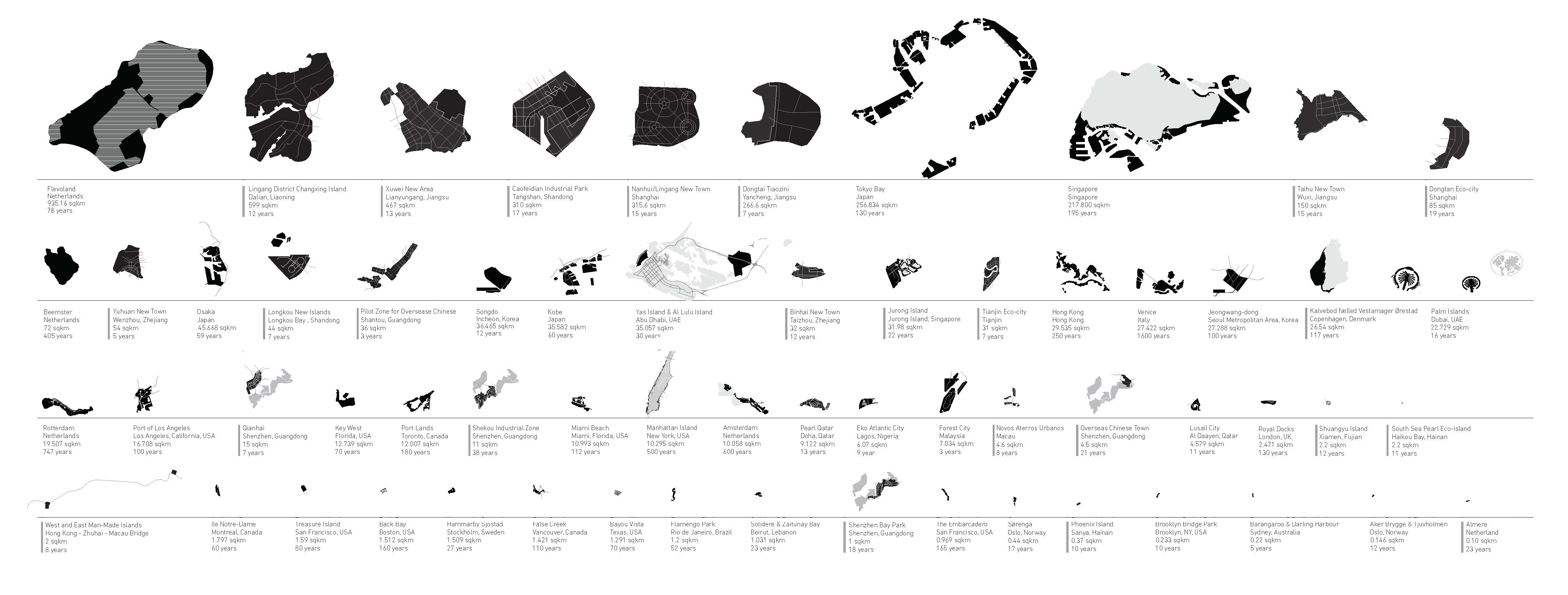
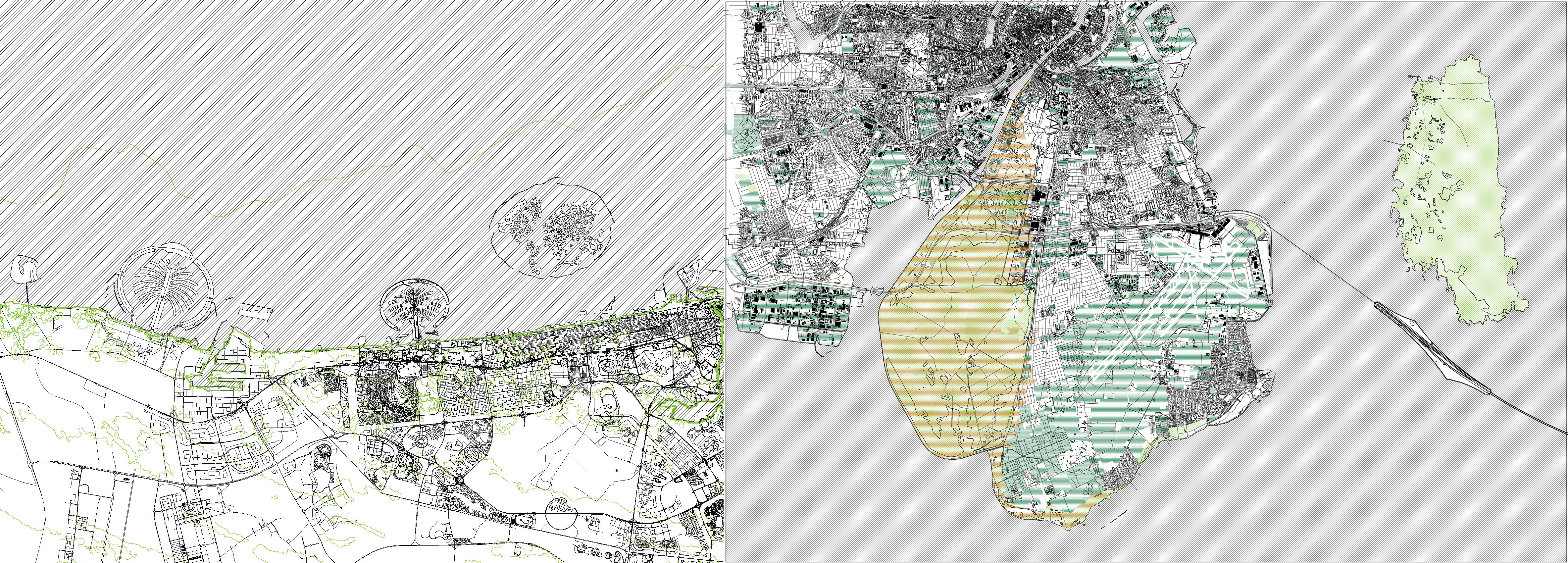
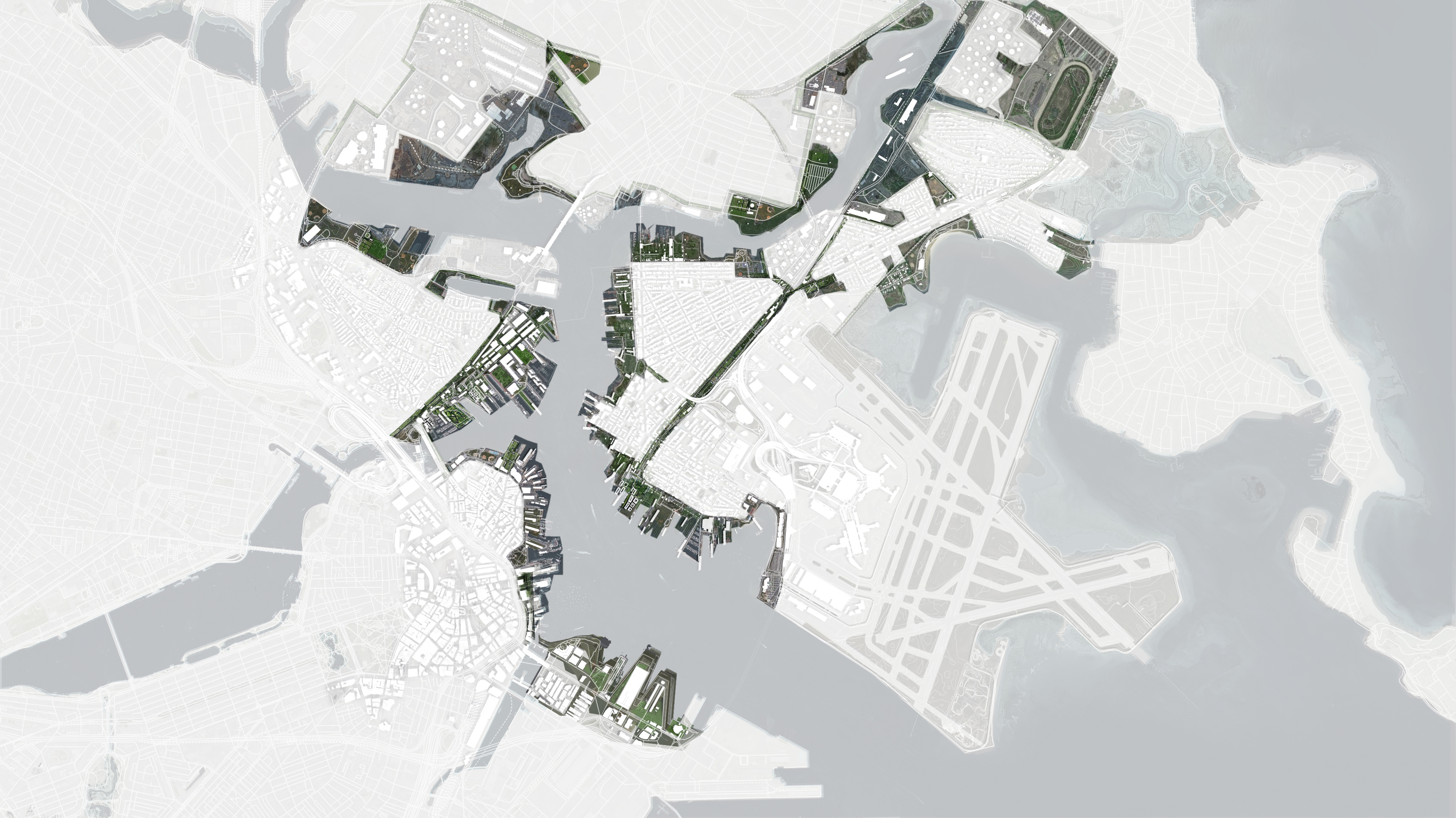
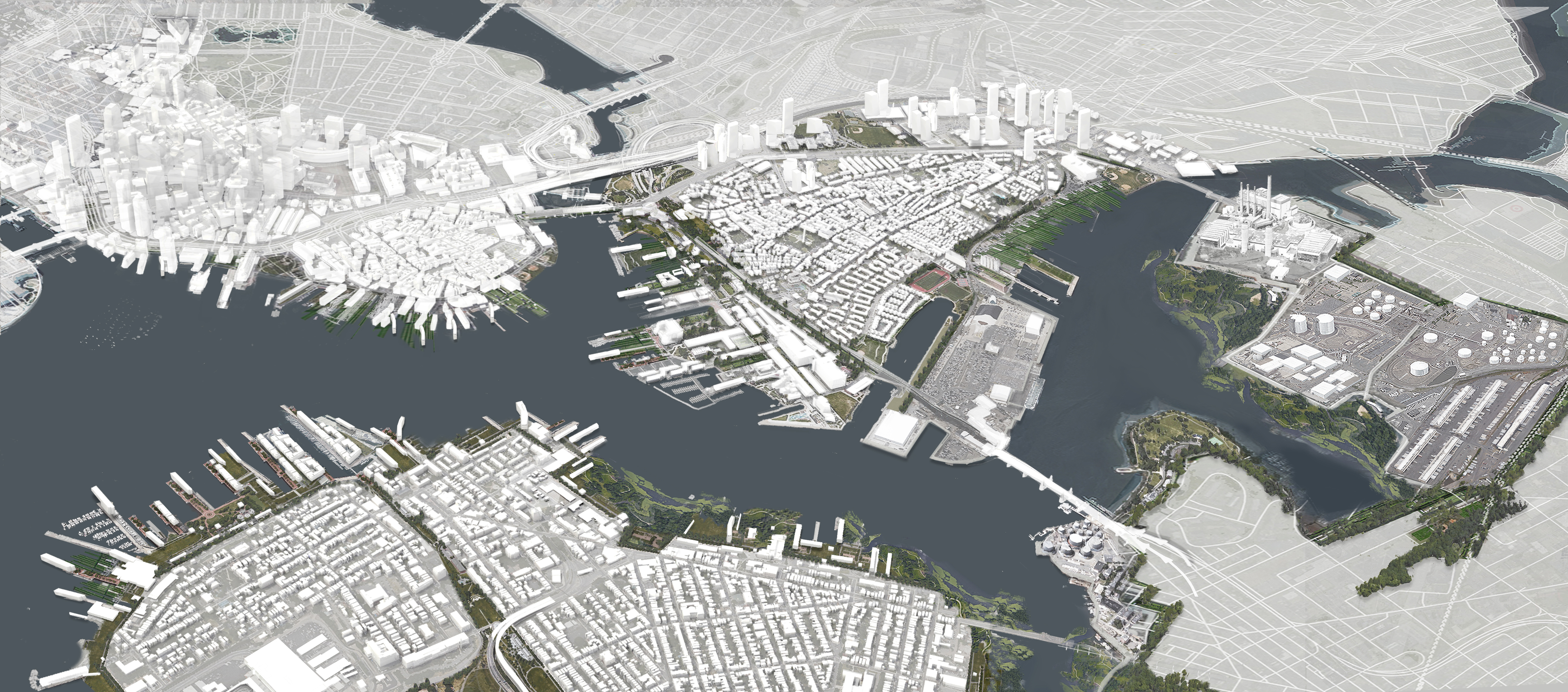
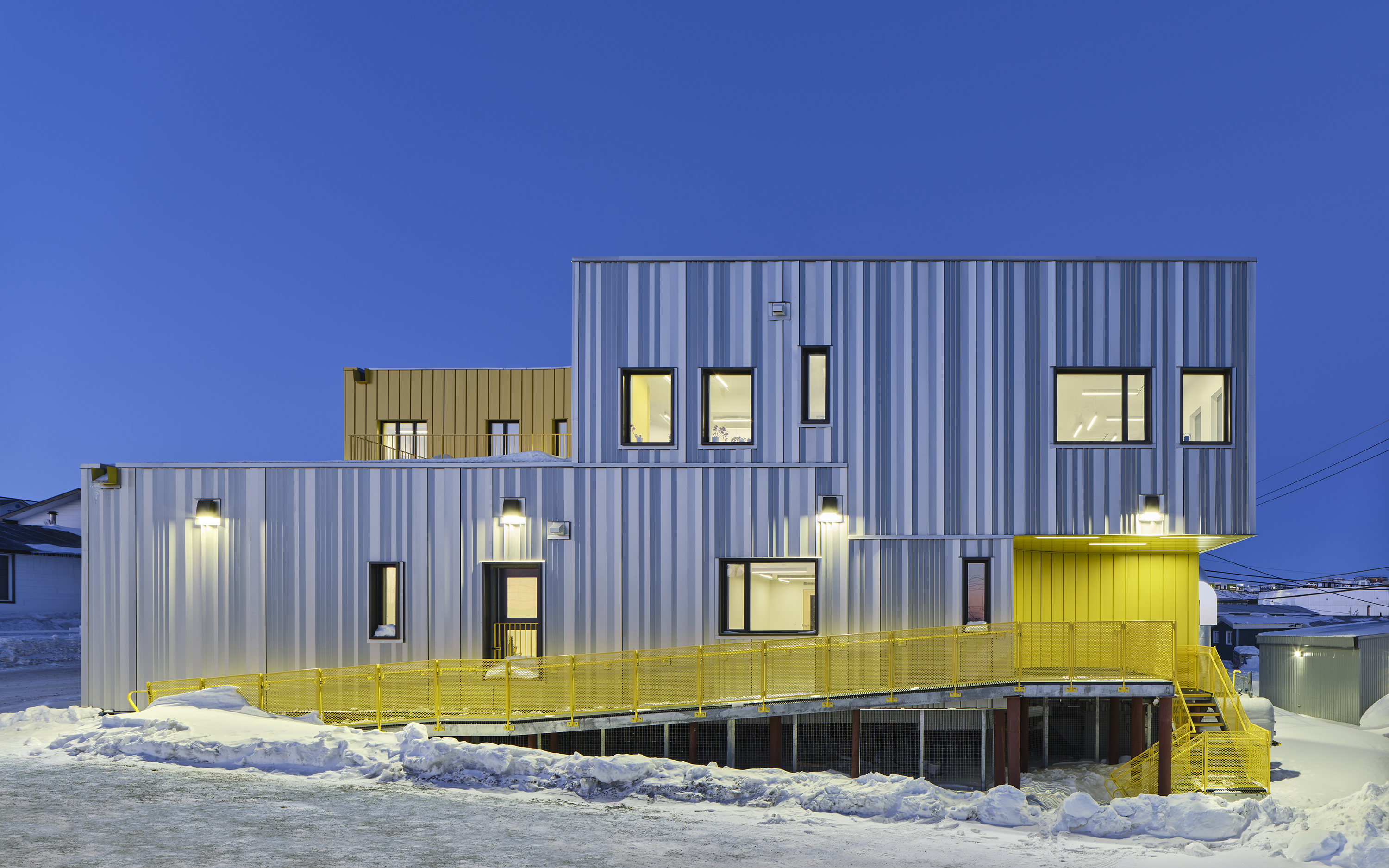
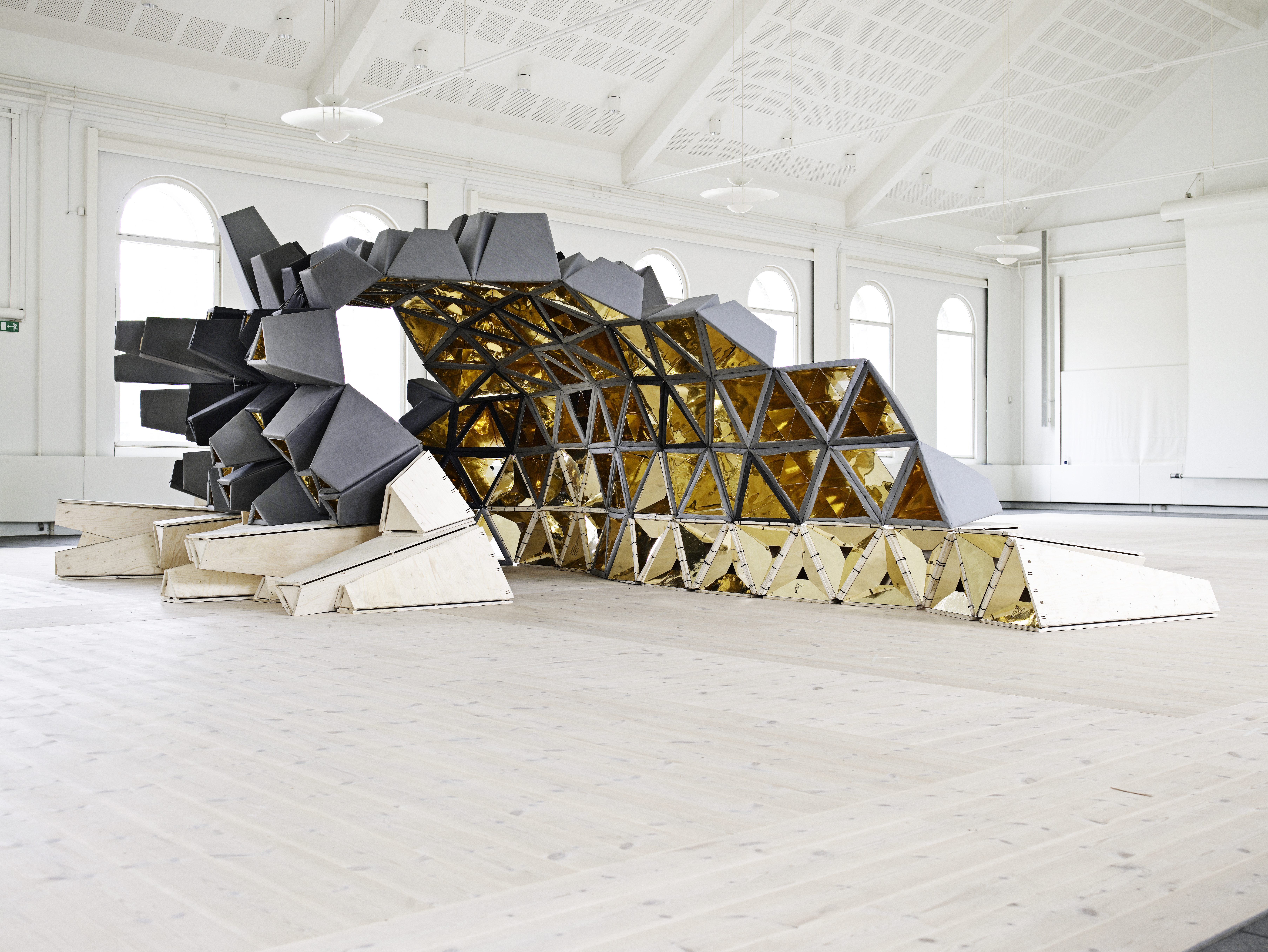
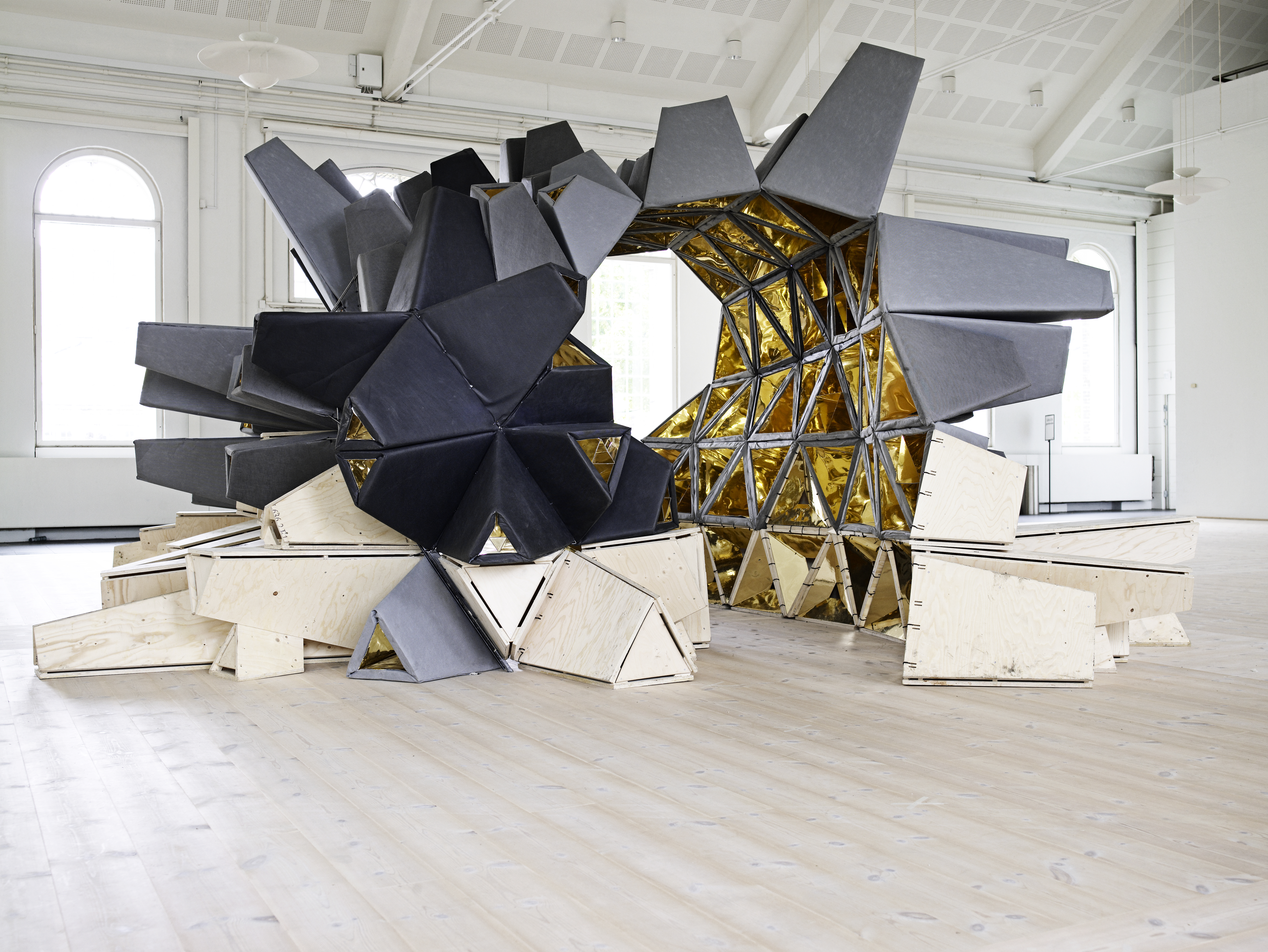
Professor Mason White’s work and research privileges architecture as a mutable territory that is formed out of and responsive to its environment and history. White founded the design practice Lateral Office in partnership with Lola Sheppard in 2003. He is also a founding editor of the journal Bracket, established in 2008. His work, research and teaching invites readings of architecture as a by-product of complex networks within ecology and culture. His recent research pursues questions of the role of infrastructure and networks within contemporary spatial practice.

In the graduate program, White teaches core and advanced design studios on architecture’s complex relationship to environment, and analysis-based electives on the culture of technology in architecture.

Lateral Office has received numerous awards and recognitions, including:

  • AZ Award, 2025, 2024, 2016
  • Canadian Architect Award of Merit - 2023
  • Holcim Foundation for Sustainable Construction, Silver Award - 2021
  • RAIC National Urban Design Award - 2016
  • Venice Biennale in Architecture, Special Mention - 2014
  • Progressive Architecture Award - 2013
  • Holcim Foundation for Sustainable Construction, Gold Award - 2011
  • Architectural League of New York, Emerging Voices - 2011
  • Canada Council for the Art, Professional Prix de Rome - 2010

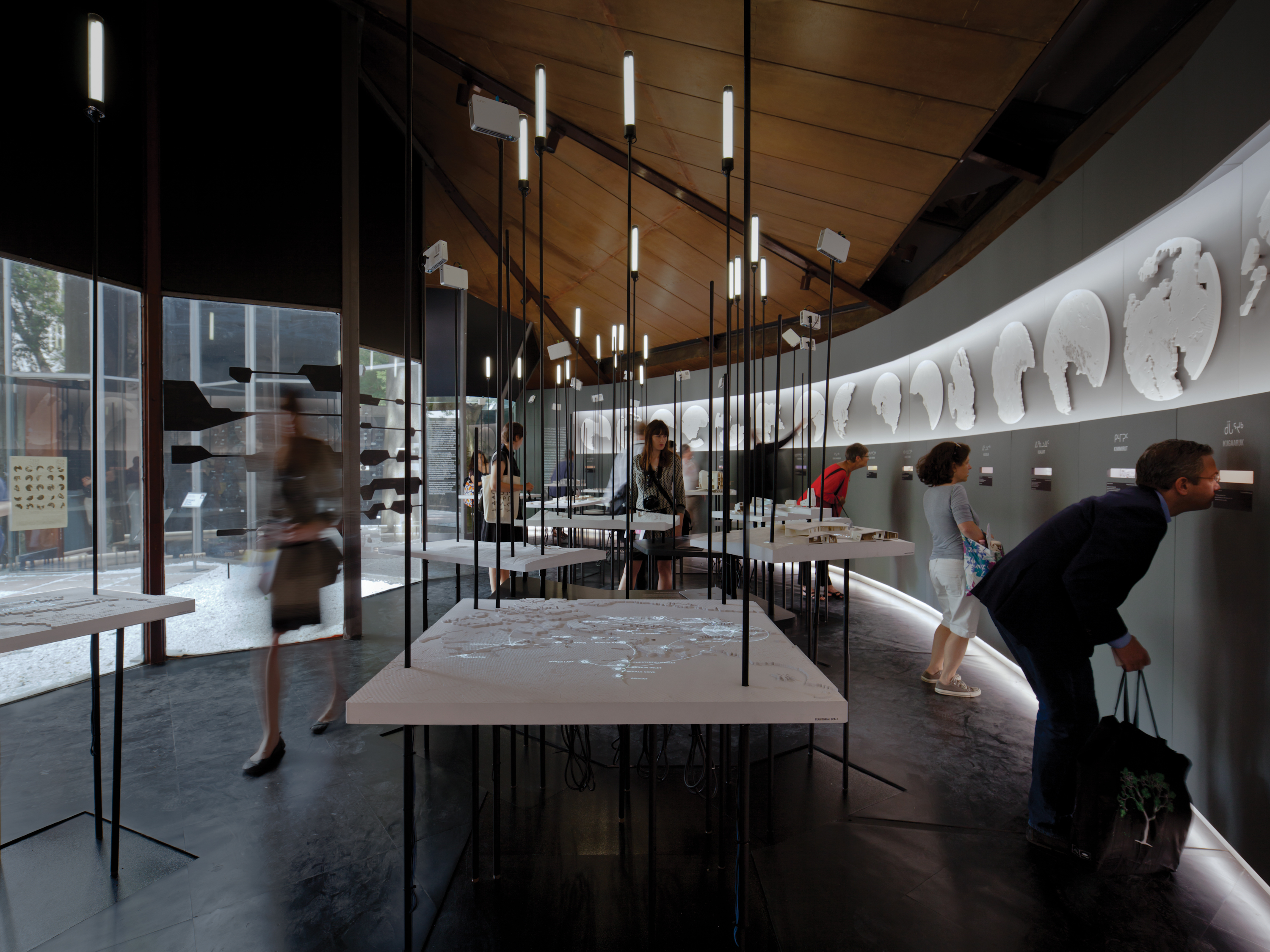
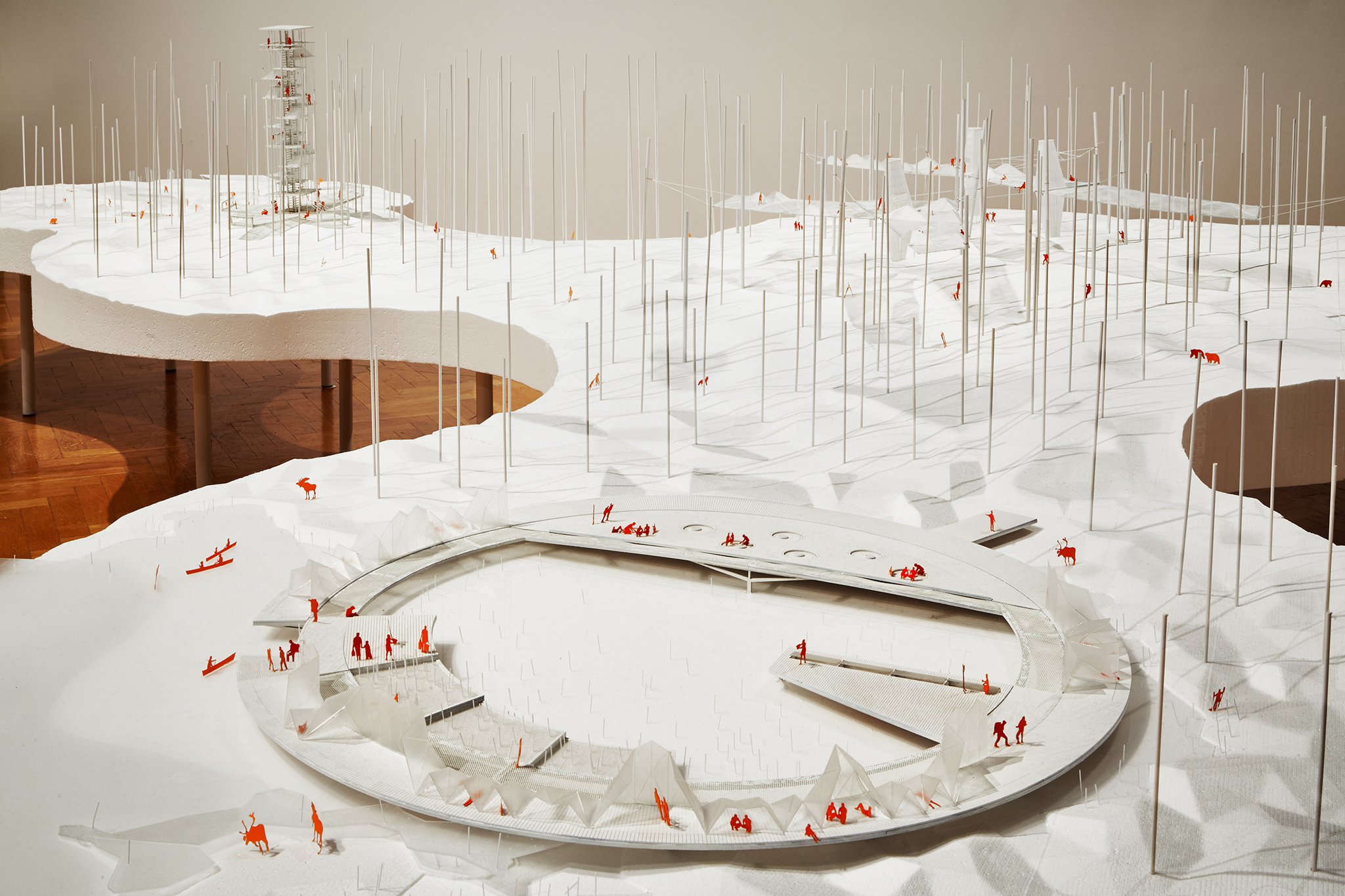
Lateral Office was a 2020-21 University Design Research Fellow at Exhibit Columbus, and has been invited to the 2022 Tallinn Architecture Biennale, the 2020-21 Venice Biennale in Architecture, 2019 Oslo Architecture Triennale, 2017 Seoul Biennale of Architecture and Urbanism, 2015 Chicago Architecture Biennial, and the 2014 Venice Biennale in Architecture, where they were awarded Special Mention from the international jury for the project “Arctic Adaptations.”

Professor White has received multiple Faculty Design Awards (2024, 2022, 2012, 2011) from the Association of Collegiate Schools of Architecture. White’s recent research and design work has focused on public infrastructures in northern and remote contexts. White has developed a growing record of interdisciplinary work pursued collaboratively. He has been a primary investigator and collaborator on several major tri-council grants, including:

  • SSHRC, "Uvaguqatsiarniq (A Home for All): Co-Designing Supportive Housing in Nunavut," (2025-28)
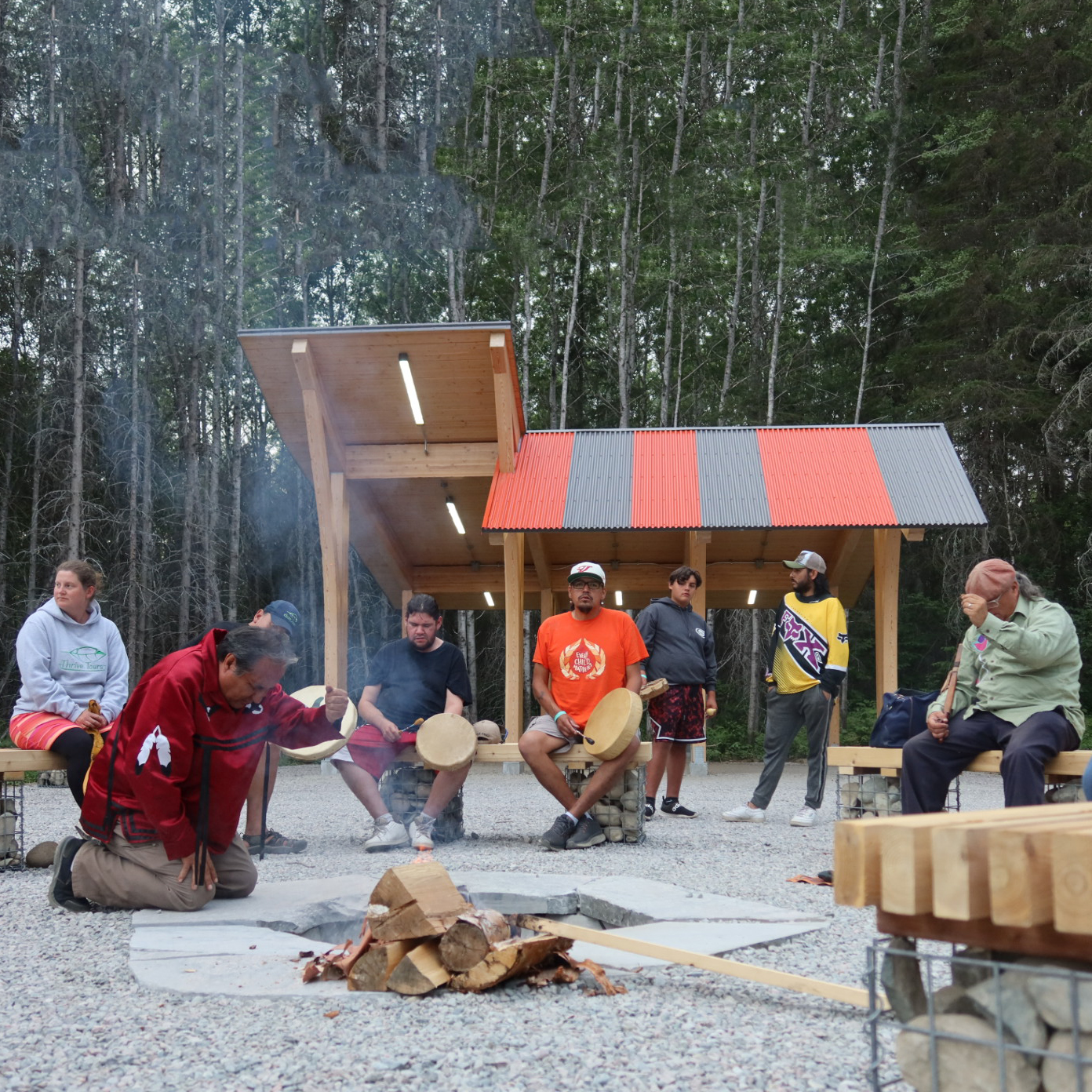
  • SSHRC, “Niwiigwaaminaanin: Co-Design for On-Reserve Housing,” (2021-24)
  • SSHRC, “Housing Nunavut for All Ages,” (2020-24)
  • SSHRC, "Envisioning an Arctic Indigenous Wellness Centre," (2018-19)
  • SSHRC, “Renewing Newfoundland’s Outports: Architecture as Catalyst,” (2017-21)
  • SSHRC, “Nunavut’s Urban Futures,” (2014-18)
  • CIHR, “Transforming Primary Health Care in Remote Northern Communities,” (2012-17)

White’s significant publications include:

  • Bracket 4 [Takes Action], Neeraj Bhatia and Mason White, editors, (Applied Research and Design, 2020)
  • “Arctic Architecture: Standards, Experiments, and Consensus,” in Canadian Modern Architecture 1967 to the Present, ed. by Elsa Lam and Graham Livesey, (Princeton Architectural Press, 2019)
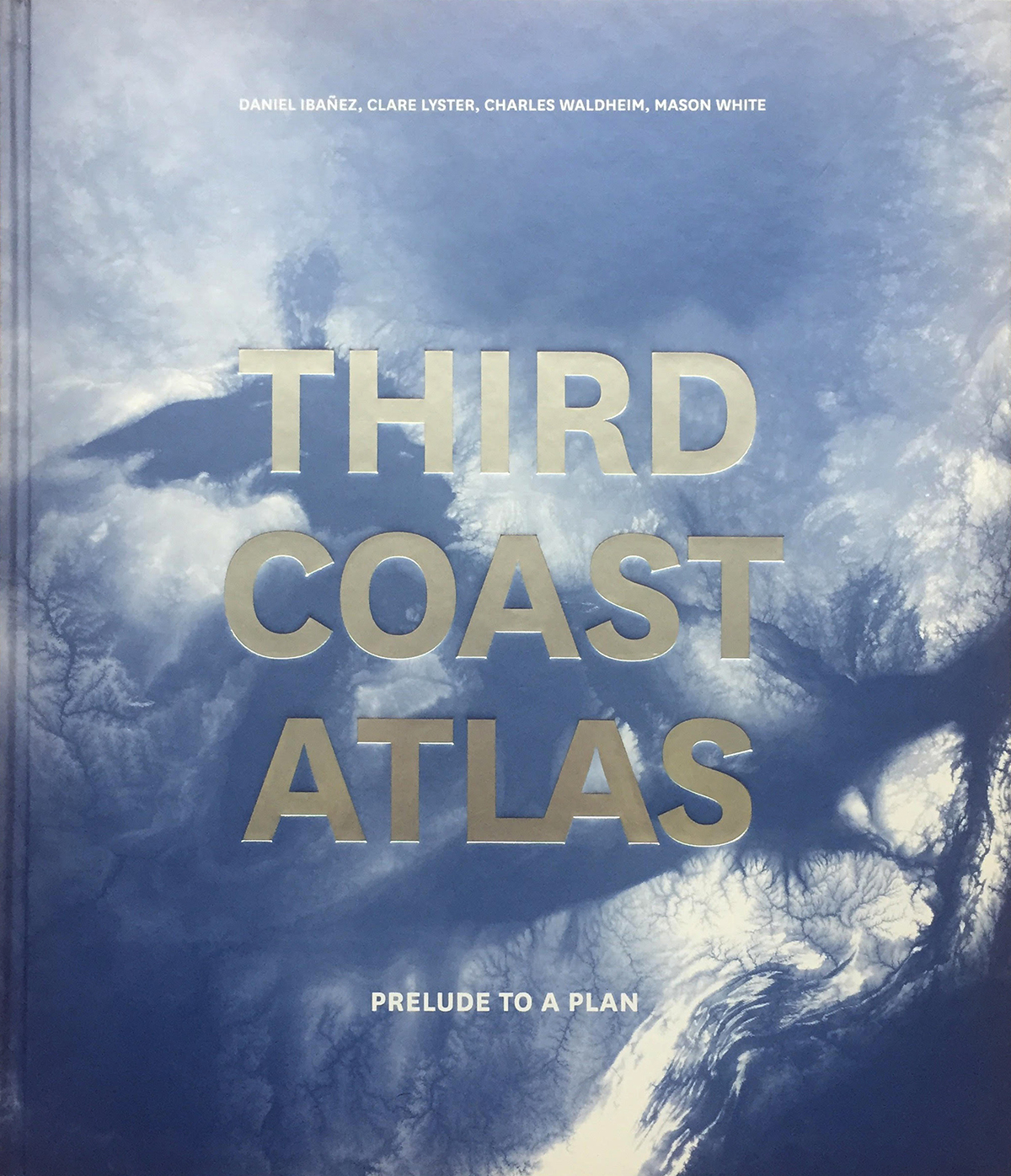
  • Third Coast Atlas: Prelude to a Plan, Daniel Ibanez, Clare Lyster, Charles Waldheim, Mason White, editors, (Actar, 2017)
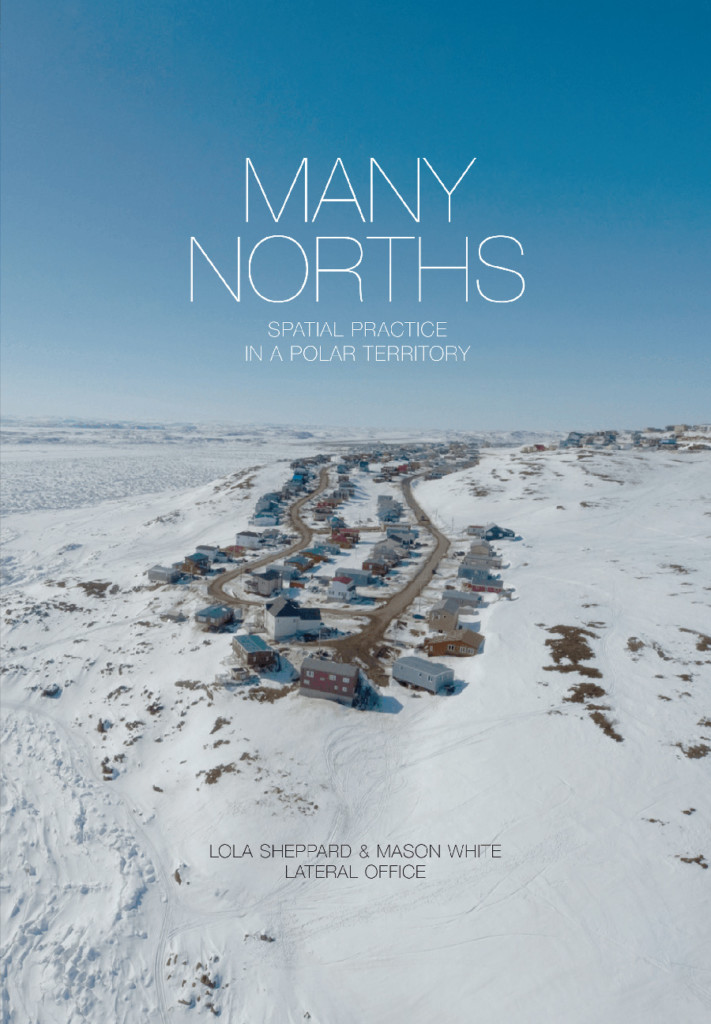
  • Many Norths: Spatial Practice in a Polar Territory, Lola Sheppard and Mason White (Actar, 2017)
  • Bracket 1 [On Farming], Maya Przybylski and Mason White, editors, (Actar, 2010)
  • Pamphlet Architecture #30, “Coupling: Strategies for Infrastructural Opportunism,” Lateral Office / InfraNet Lab, (Princeton Architectural Press, 2010)

Professor White was inducted as a Fellow of the Royal Architectural Institute of Canada in 2021. White was the 2012-13 Howard Friedman Professor at UC Berkeley; the 2008-09 Arthur W. Wheelwright Fellow from Harvard Graduate School of Design; and the 2003-04 Lefevre Emerging Practitioner Fellow at Ohio State University. His work has been published in the Globe and Mail, Canadian Architect, Landscape Architecture Magazine, Architectural Record, C3, Architect, Praxis, and Architectural Record. His writing has been published in Perspecta, New Geographies, Praxis, Kerb, OZ Journal, MONU, A+U, and 306090. He has lectured and exhibited work internationally in the U.S., Germany, Chile, Bulgaria, Russia, Korea, Iceland, the Netherlands, and England, among others. White previously taught at Harvard University (2015, 2011), Cornell (2004-05), and Ohio State University (2003-04). He has been an invited external critic at schools widely and internationally.


Elise Shelley

Associate Professor, Teaching Stream
Director, Master of Landscape Architecture

elise.shelley@daniels.utoronto.ca

Elise Shelley is an Associate Professor at the Daniels Faculty of Architecture, Landscape, and Design at the University of Toronto and the Director of Landscape at gh3*. She a registered landscape architect with 20 years of experience in projects of all scales. Shelley’s background and training in both architecture and landscape has enabled a method of practice that emphasizes the physical, experiential and functional connections between interior and exterior space. Her teaching portfolio includes Site Engineering, Studio, Planting Design, Professional Practice and Thesis advising.

Focused on the interdisciplinary nature of urban places, Shelley’s work addresses material innovation, community. engagement and ecological resilience. Award-winning urban playspace projects include gardens and playgrounds for city daycares, public schools and non-profit organizations. In addition to having her Landscape Architecture licensure in the United States and Canada (Ontario and Alberta), Shelley is certified in Playground Safety Inspection by the U.S. National Recreation and Park Association.

Shelley has lectured throughout North America and Europe and her work on resilient landscapes and contemporary children’s playspaces has been presented at several international conferences.

Brady Peters

Associate Professor
Associate Dean, Academic

brady.peters@daniels.utoronto.ca

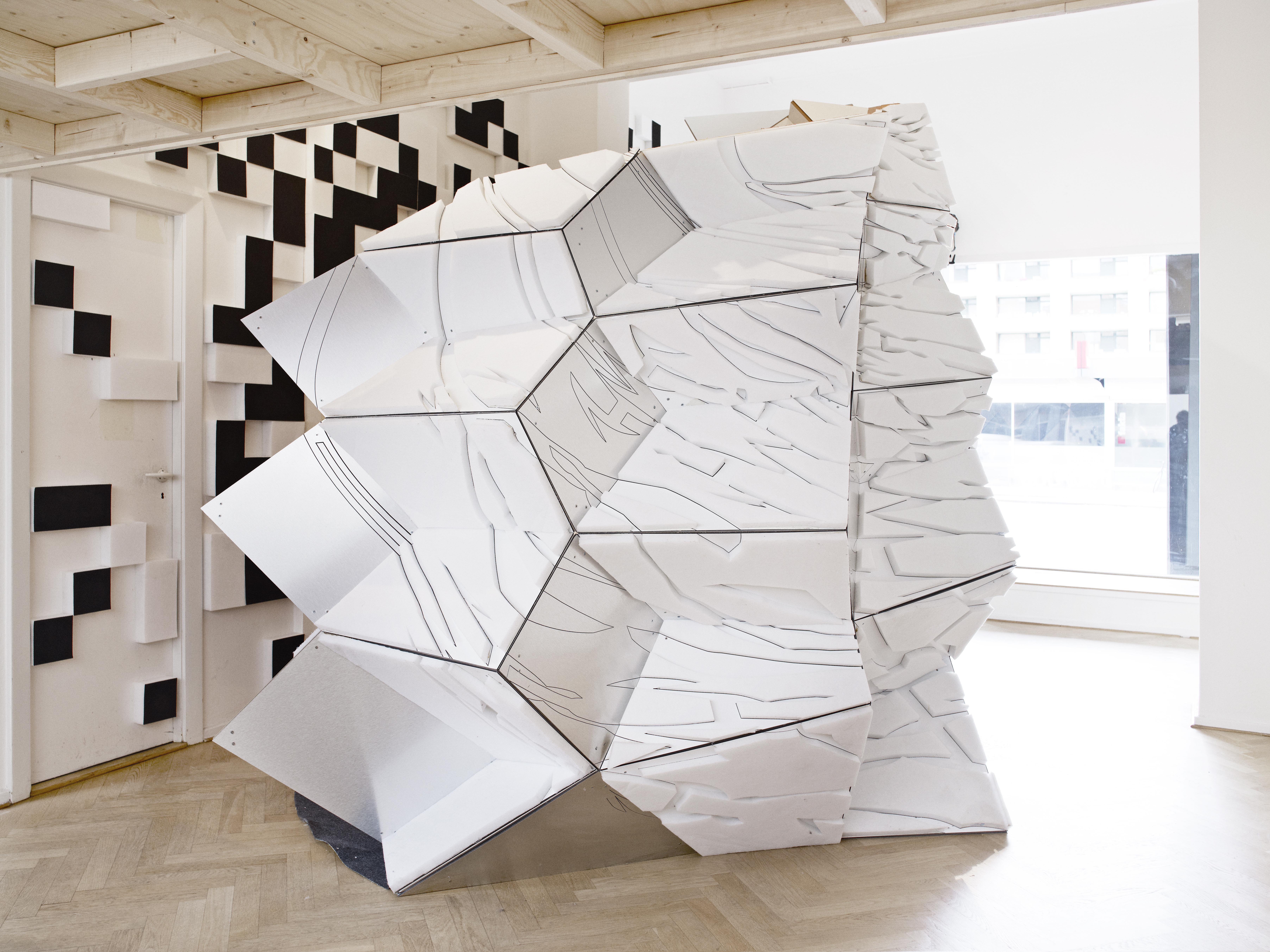
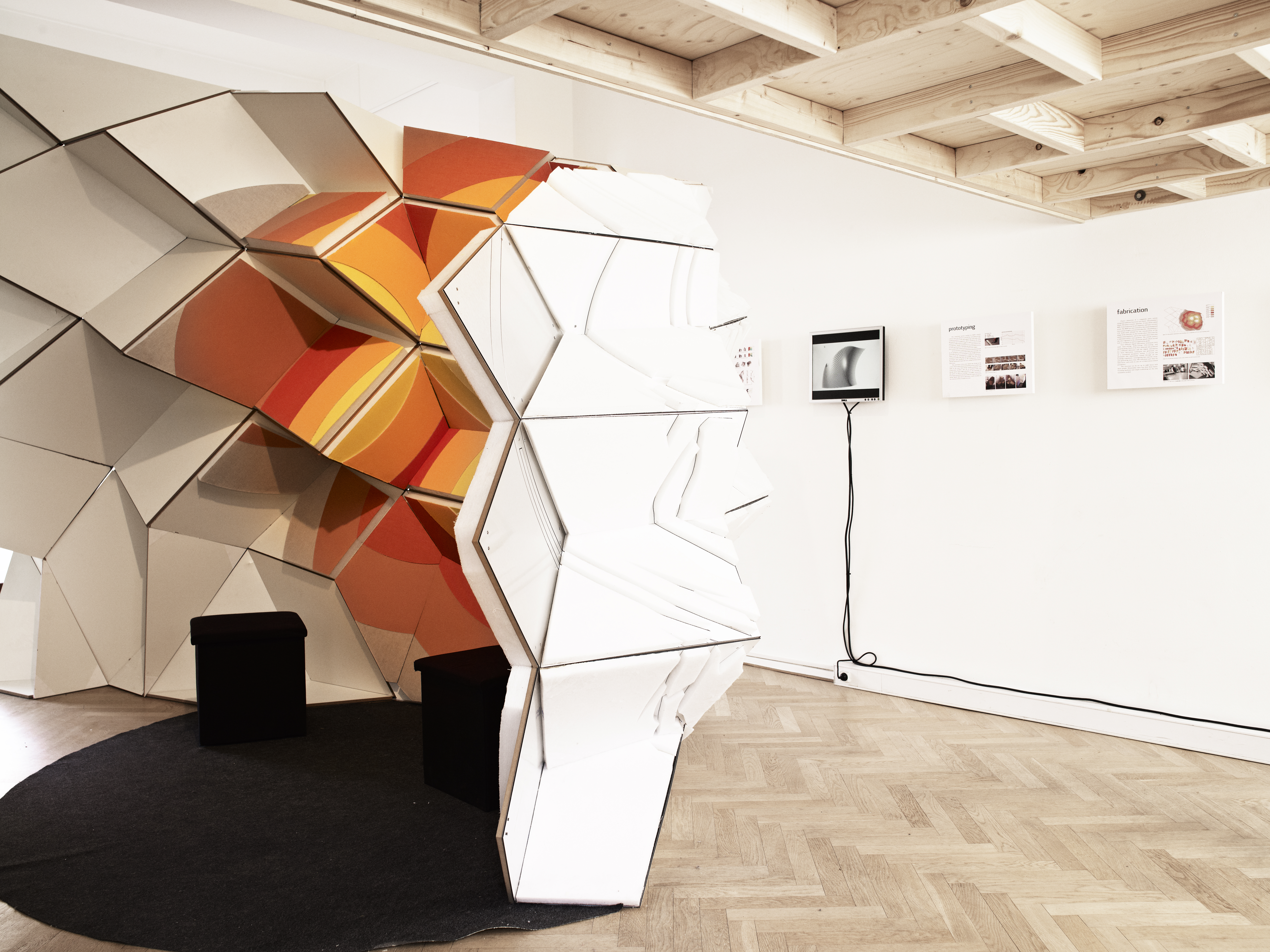
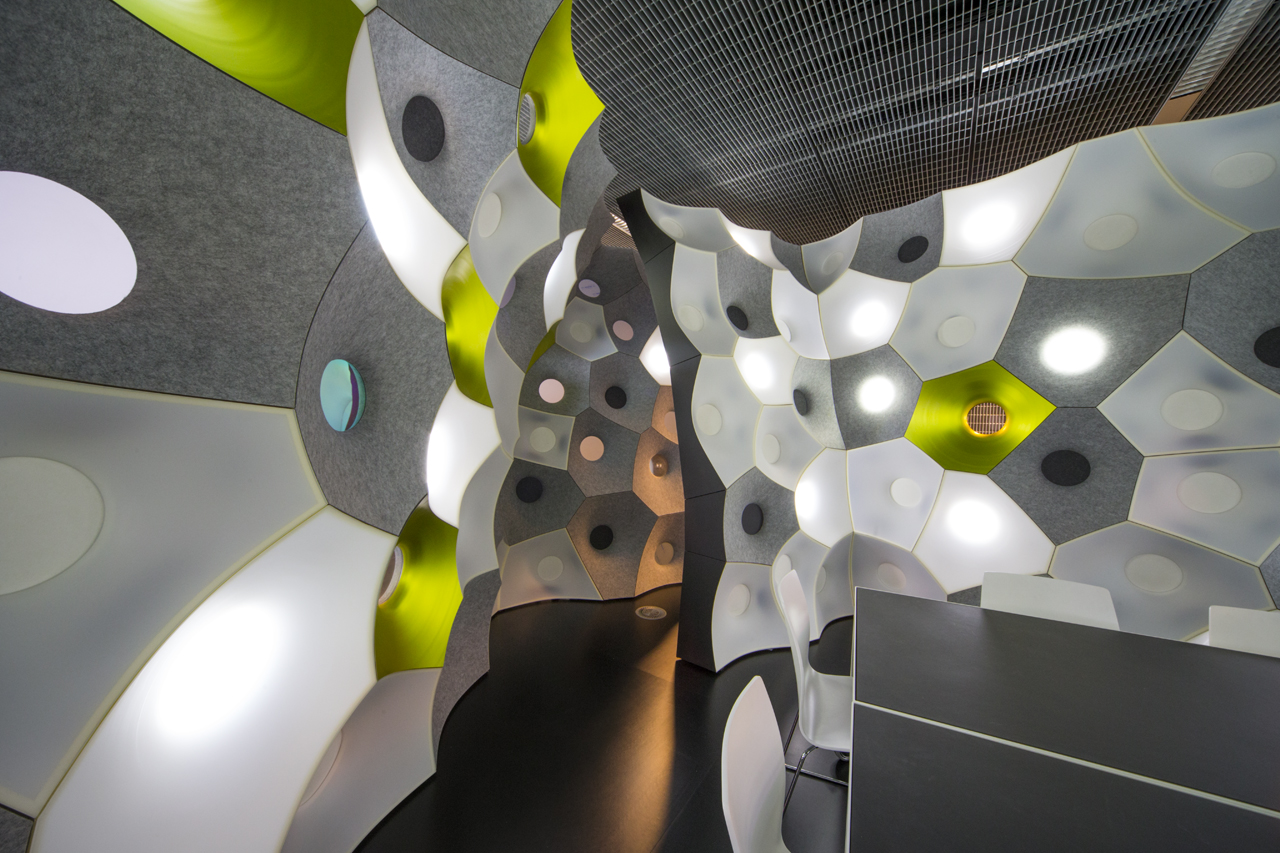
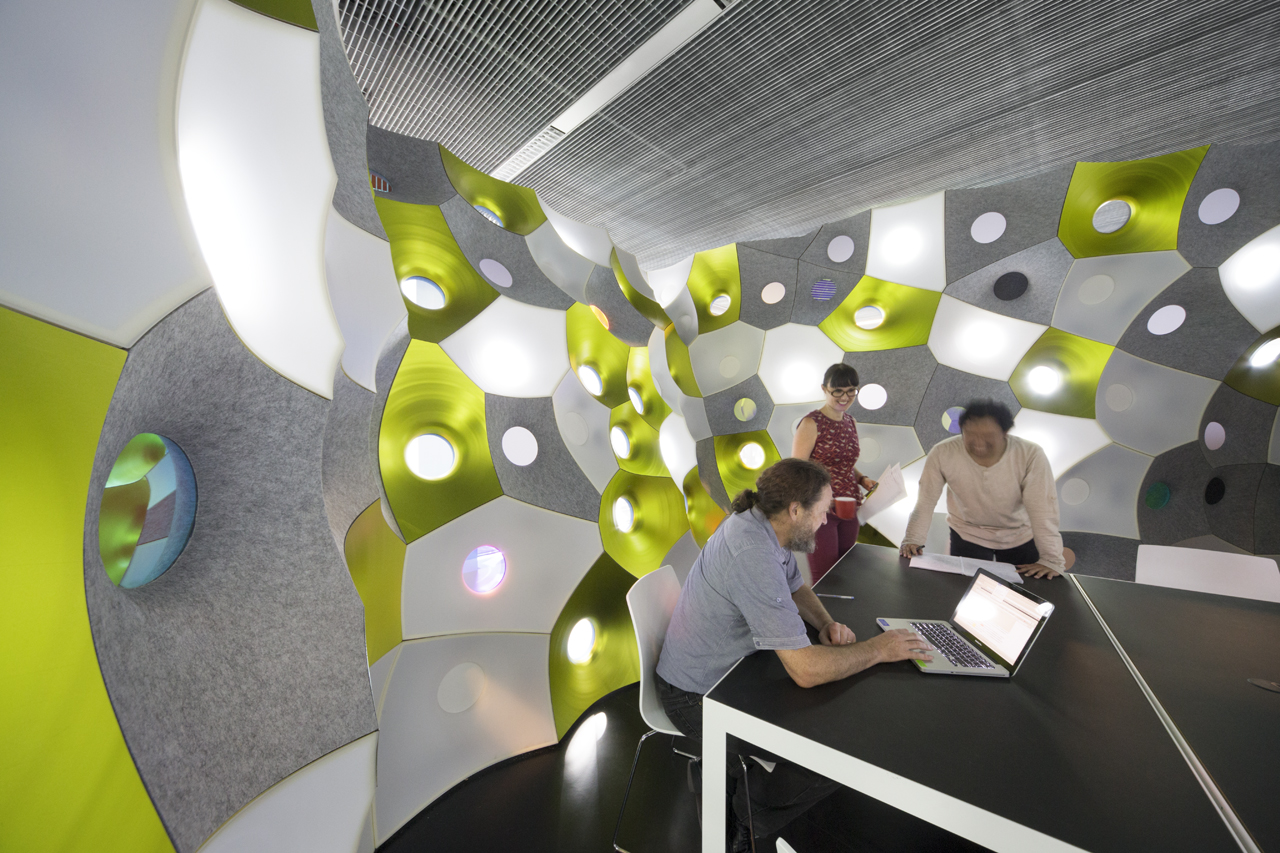
Brady Peters is a Canadian designer and researcher who successfully bridges technology and design. He has significant expertise in the use and development of design technology, in integrative construction, and in digital fabrication. With many years of experience in practice, Peters has successfully collaborated with experts in architecture, engineering, and computer science.

Peters specializes in architectural acoustics, environmental simulation, computational design, and digital fabrication. He uses computer programming, parametric modelling, and simulation to design performance-driven forms, and is skilled in the communication and fabrication of buildings with complex geometry. He received his PhD in Architecture from the Royal Danish Academy of Fine Arts in Copenhagen, Denmark, a Professional Master of Architecture from Dalhousie University, a Bachelor of Environmental Design (Distinction) from Dalhousie University, and, Bachelor of Science in Geography (Distinction) from the University of Victoria.
 
Professionally, Peters was an Associate Partner at Foster + Partners, one of the world's most highly regarded architecture practices. As a key member of the Specialist Modelling Group (SMG), the office's internal research and development consultancy, Peters was involved in many projects using complex geometry and environmental simulation. He has a multi-disciplinary approach to design and has also worked in the London office of design-led engineering practice Buro Happold.

Academically, Peters teaches graduate level courses in design studio, computational design, comprehensive building design, and visual communication focusing on parametric modelling and digital fabrication.  He also teaches computation and design in the undergraduate program. Peters is a Director of Smartgeometry, an organization that promotes the use of computation in architecture.  He has published 25 peer-reviewed papers, written five book chapters, and edited two books. He is also the author of Computing the Environment: Digital Design Tools for Simulation and Visualisation of Sustainable Architecture (Wiley, 2017).


Wei-Han Vivian Lee

Associate Professor, Teaching Stream
Director, Master of Architecture

vivian.lee@daniels.utoronto.ca

Prior to joining the University of Toronto, W.H. Vivian Lee was an assistant professor of architecture at University of Michigan since 2009. She is an architect and a founding partner of LAMAS, an interdisciplinary studio focused on issues of craft traditions and perception in architecture and the fine arts.
 
Her research focuses on the role of craft and labor practices in architecture and building. Lee's writings, teaching, and design work have touched on the concept of craft in several diverse subjects including professional practice, labor, vernacular traditions, and ornament. She is currently working on the book "Building Stories: At Work in Contemporary Practice."

Lee's firm LAMAS was a 2014 finalist for MoMA's PS1 Young Architects Program. In addition, she has won the 2011 R+D Award and has received honorable mentions in I.D. Magazine, Architizer+ Awards, and ACSA Faculty Design Awards. Prior to LAMAS, Lee practiced as a project manager at SHoP Architects and LTL Architects in New York City. While at SHoP Architects, she co-led her team to earn a P/A Award for the East River Waterfront project in 2008.
 
Lee received her masters of architecture from Harvard's Graduate School of Design. She holds a B.A. in studio arts from Wesleyan University with a concentration in painting.​

Wei-Han Vivian Lee


Photos top: 1. Annex Apartment | Tom Urban Photo 2. Annex Apartment | Tom Urban Photo 3. Eat Food 4. Montottone B&B 5.Townships Farmhouse | Stephane Groleau Photo 6. Underberg