old_tid
8

Jeannie Kim

Associate Professor, Teaching Stream

jeannie.kim@daniels.utoronto.ca
T 416-946-8316

Jeannie Kim holds degrees in architecture from Harvard University and Princeton University and is currently completing her Ph.D. in the history and theory of architecture at Princeton University. Her research has appeared in numerous publications including Hunch, Volume, Journal of the Society of Architectural Historians, Log, Cold War Hot Houses (Princeton Architectural Press, 2004), and Engineered Transparency: The Technical, Visual and Spatial Effects of Glass (Princeton Architectural Press, 2009).  In addition to teaching studios and seminars at Columbia University, she was also previously the Director of Print Publications. Prior to teaching at Columbia, she taught at the Harvard University Graduate School of Design and Pratt Institute. Between 2008-2010 she directed the National Design Awards at Smithsonian Cooper-Hewitt, National Design Museum and co-curated Design USA, a retrospective of the first decade of the design awards.

Jeannie Kim


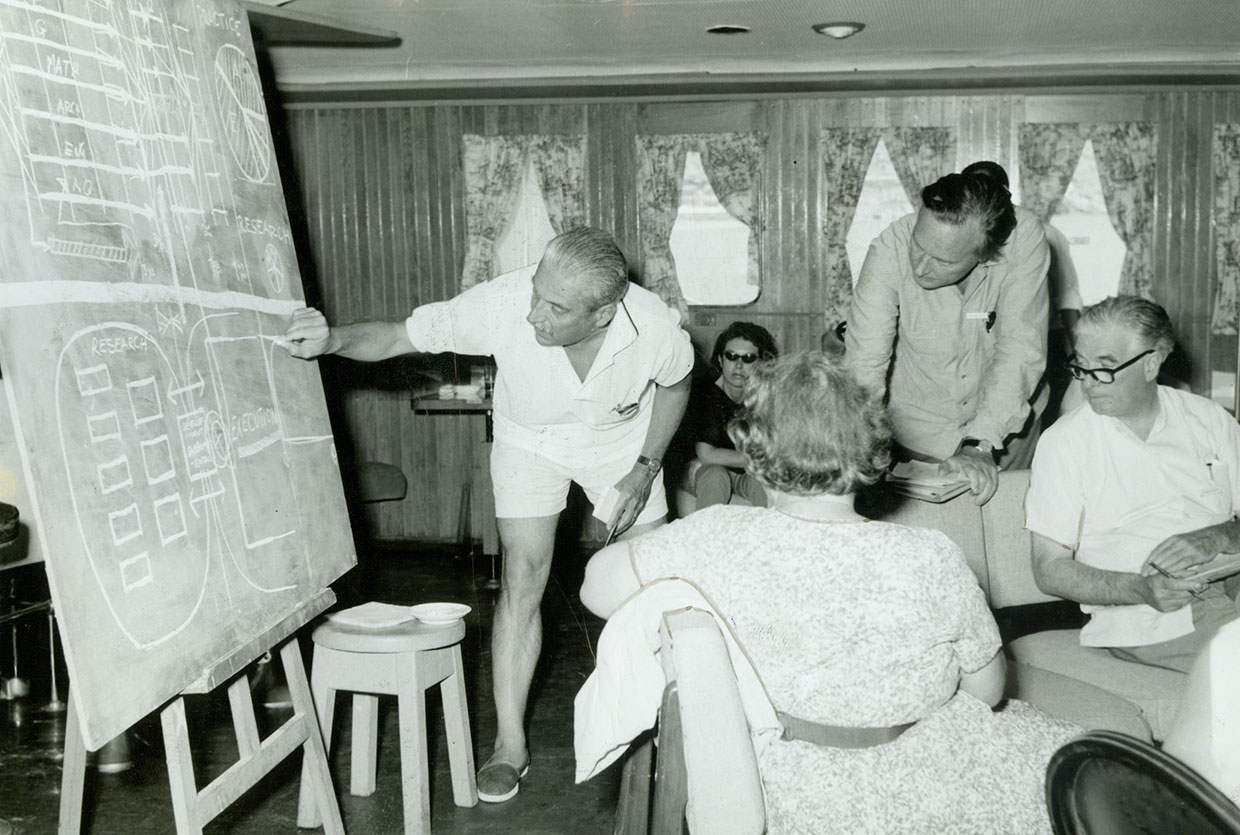
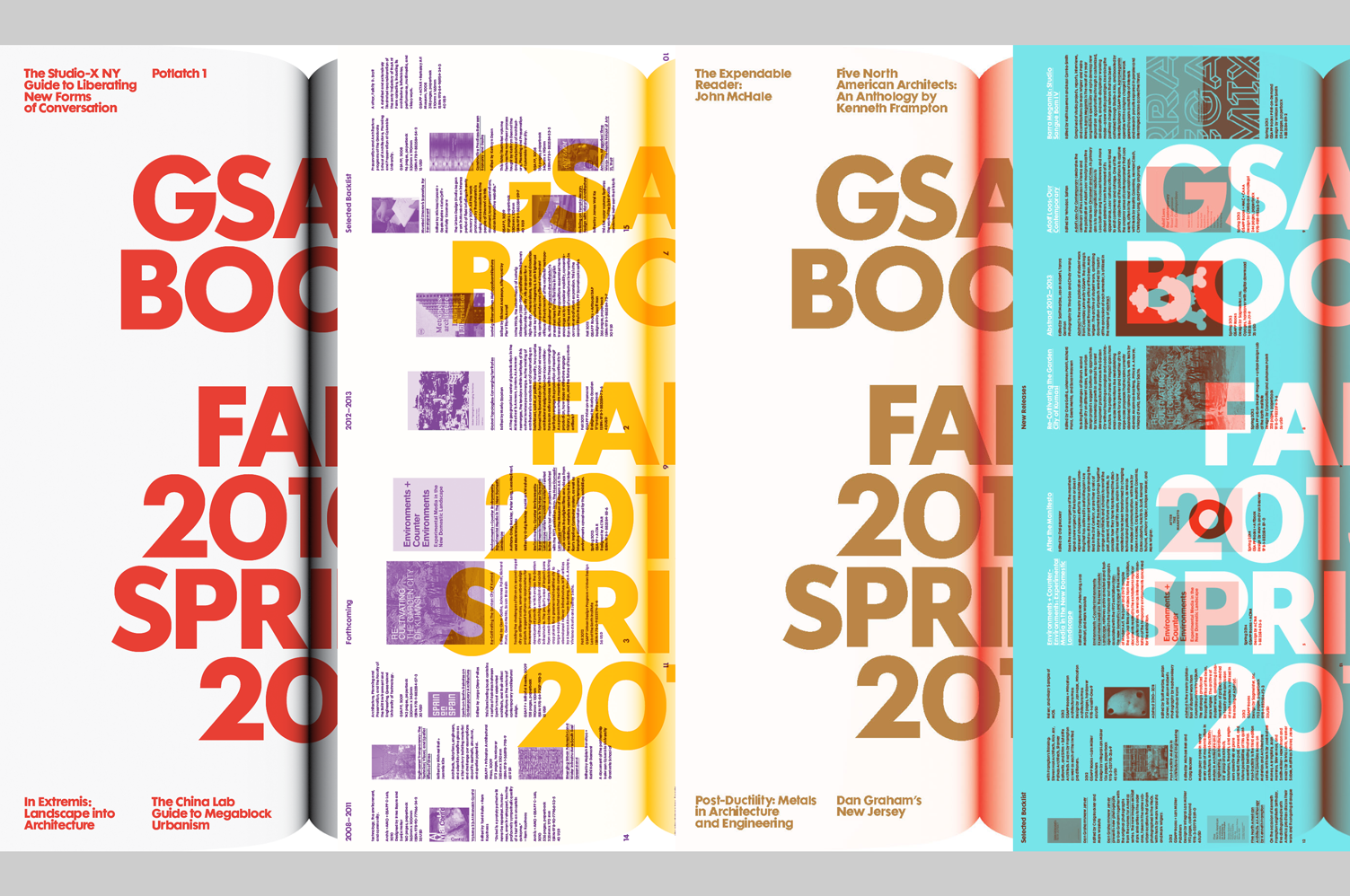
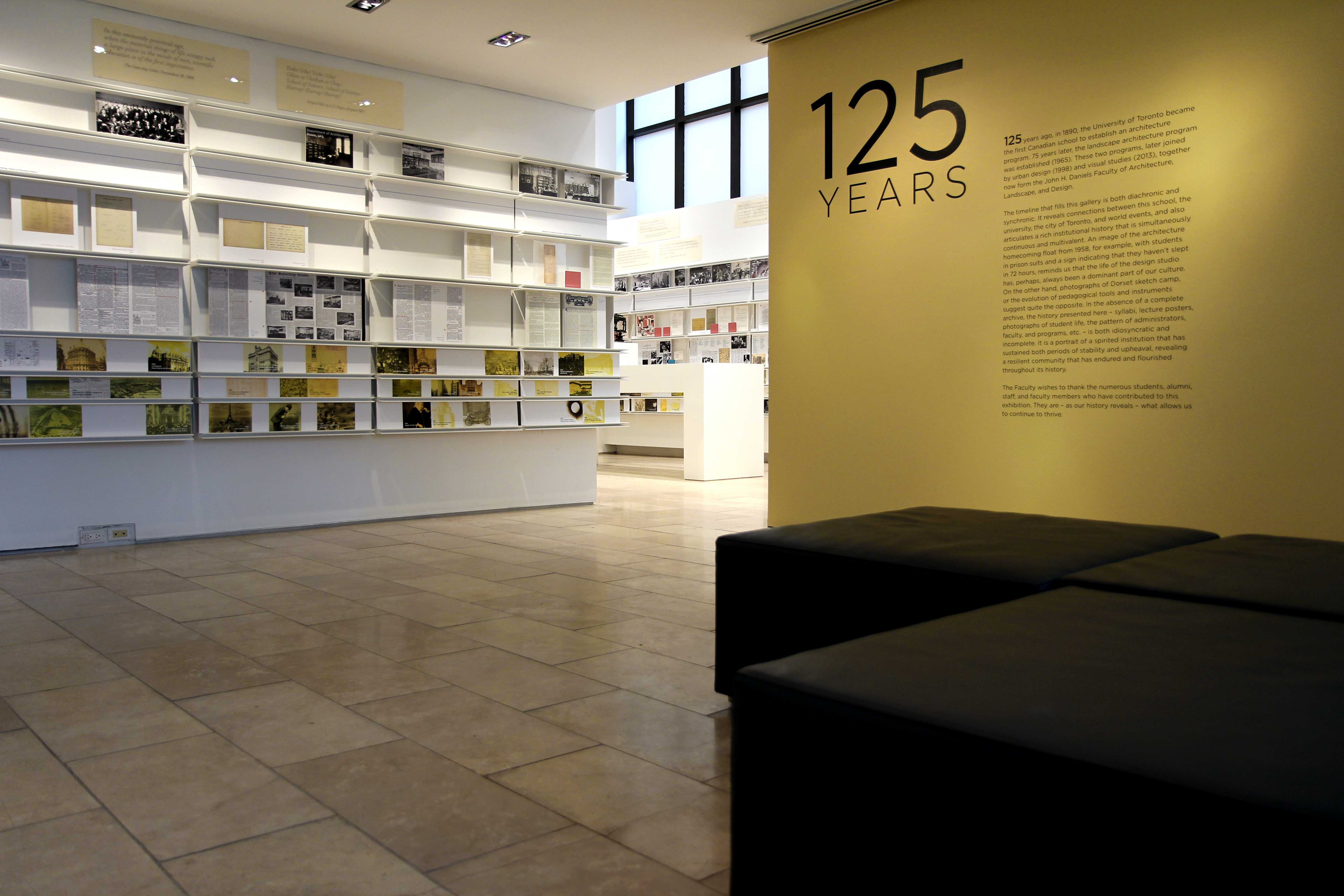
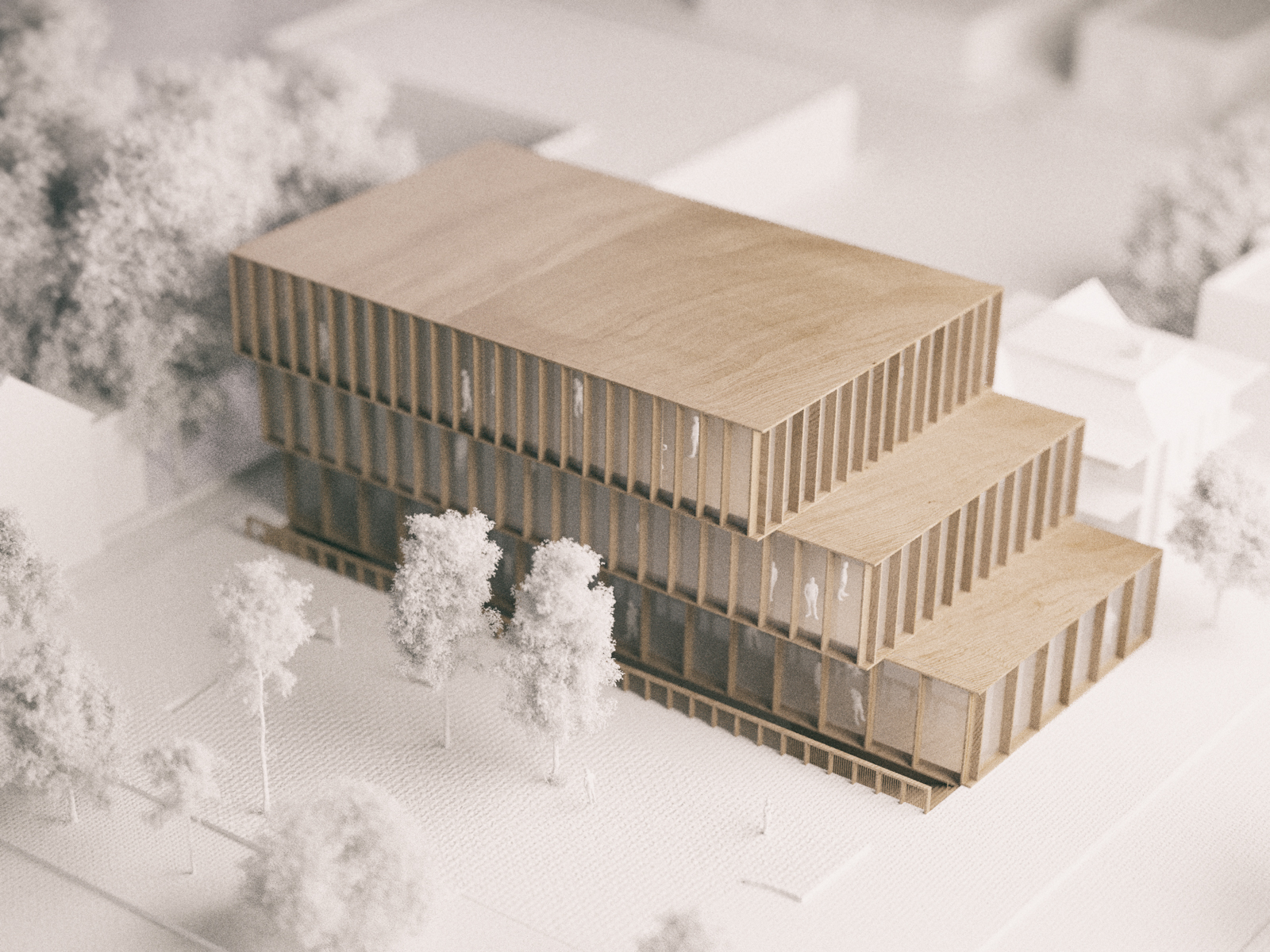
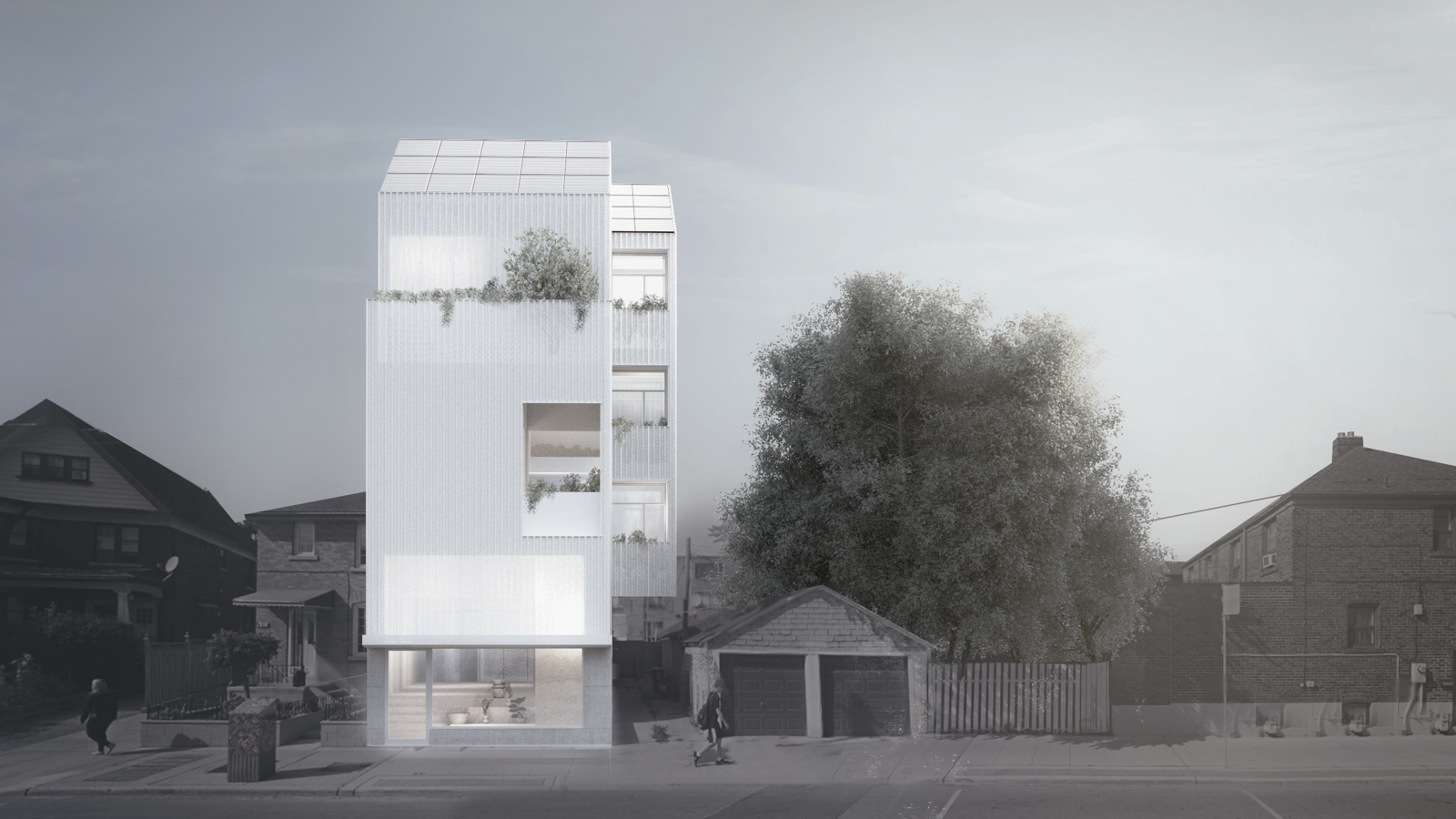
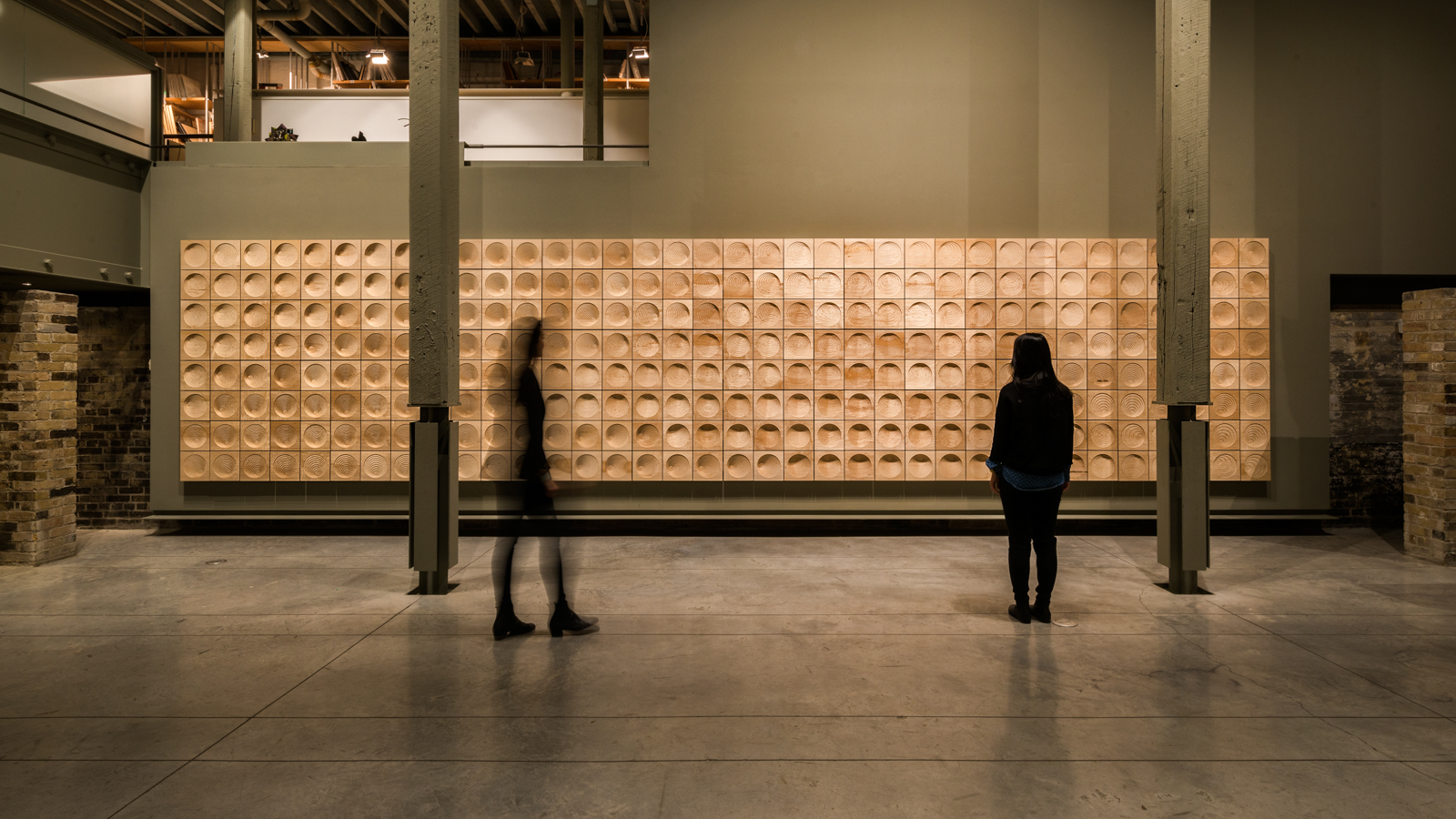
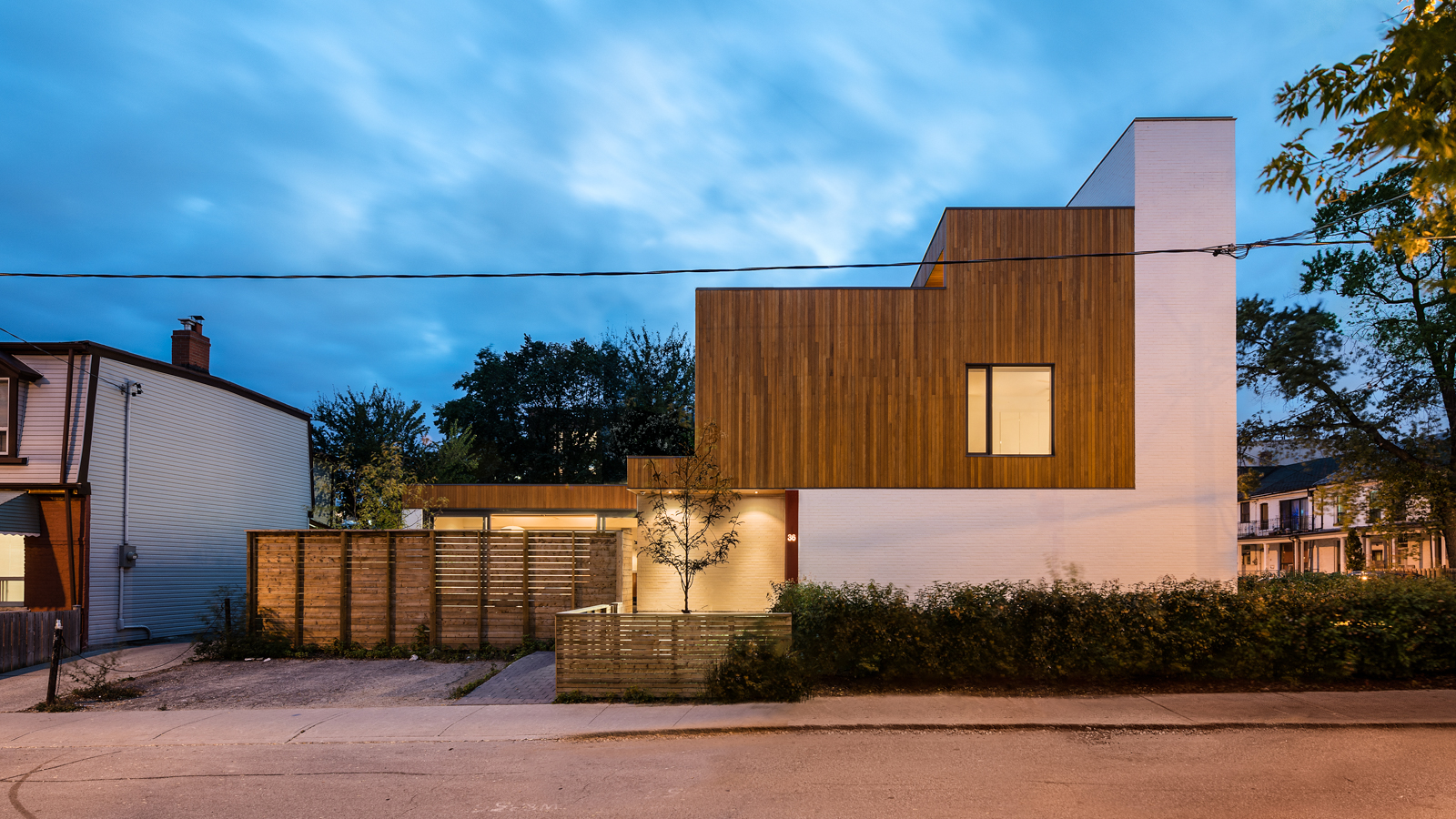
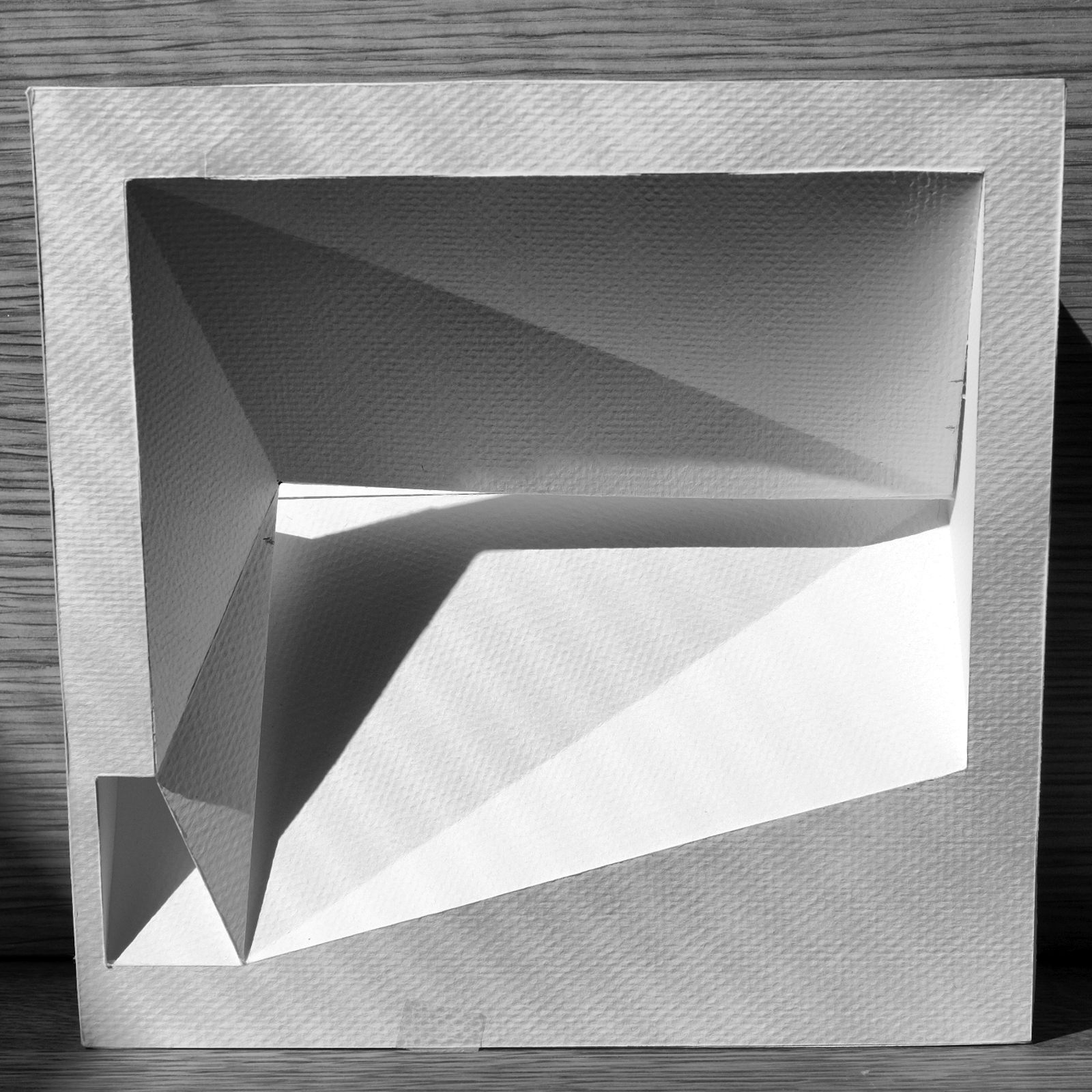
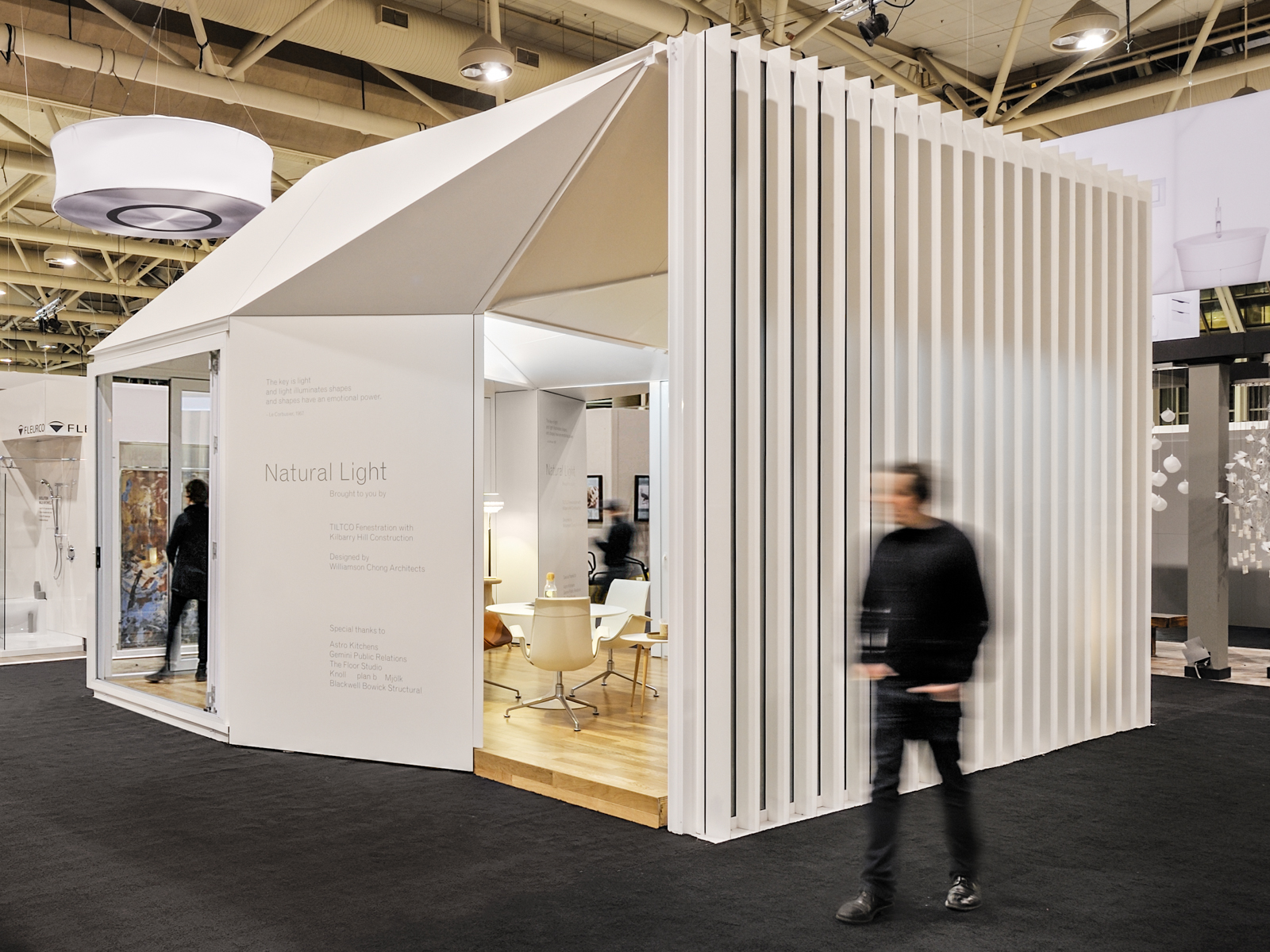
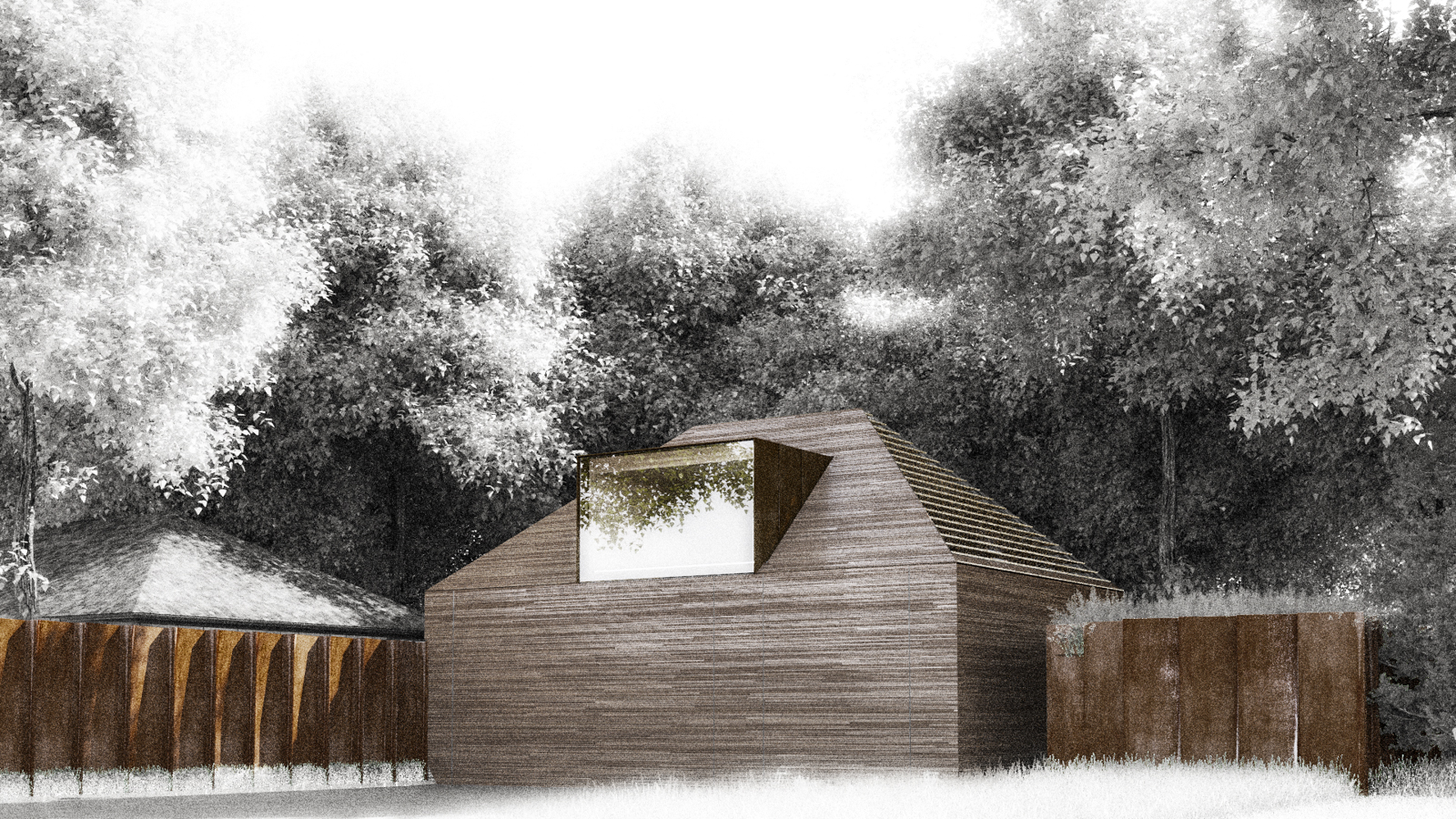
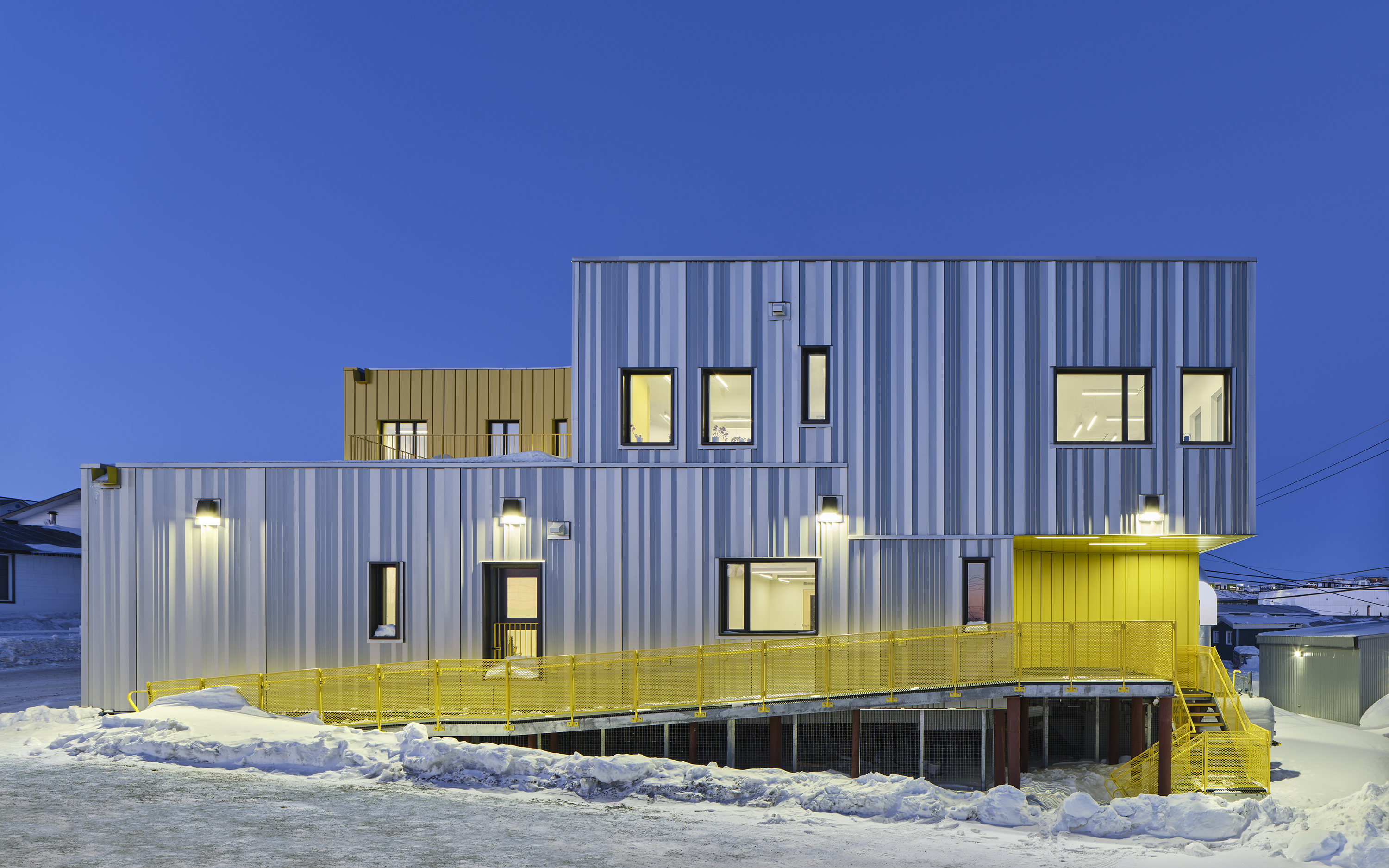
Photos, top of page: 1. “C.A. Doxiadis and the Ford Foundation,” Hunch 13: Consensus (NAI Publishers/Berlage Institute, 2010)  2. Director of Publications, Columbia University, Graduate School of Architecture, Planning and Preservation, 2005-2008; 2010-2013  3. Daniels Faculty's 125 Anniversary exhibition (2015)


Steven Fong

Associate Professor

s.fong@daniels.utoronto.ca
T 416-946-0026


Brian Boigon

Associate Professor, Teaching Stream

Brian.Boigon@daniels.utoronto.ca

Brian Boigon is an Artist/Data-Architect and Philosopher. His works span a multitude of operational disciplines including Quantum Mechanics, Locomotive Dynamical Systems, Science Fiction, Cartoon Animation and the ballet of Computational Script hacking. He is an Associate Professor at John H. Daniels Faculty of Architecture, Landscape and Design at the University of Toronto where he also runs the Inner Outer Space Lab and sits on the board of the Toronto MOCA.

Boigon is currently working on “The Magic of Membranes” through Drawing/Writing/Movies and Music under a Sci-fi project known as The  Interopera. He continues to explore the dimensions of his Ordinary and Non-ordinary Reality as its bank-shot through the non-linearity of Framing, Looping and Projecting. He is published by Birkhauser in a digital/analogue book on NonLinear Urbanism and is working on a sound/video project forthcoming in NYC. Boigon’s artwork is in numerous collections, published in 4 books and is in the archives at the Canadian Centre for Architecture (CCA) in Montreal. He is currently living in outer space and is represented by Christie Contemporary.


Brian Boigon

R. Shane Williamson

Associate Professor

shane.williamson@daniels.utoronto.ca
T 416-946-8254

Associate Professor R. Shane Williamson received a Bachelor of Science in Architecture with Highest Honors from the Georgia Institute of Technology (’94) and a Master of Architecture from Harvard University (’99). He is Principal of Williamson Williamson Inc., a Toronto-based architecture and design studio that he founded with his partner, Betsy Williamson, in 2007.

Williamson’s research and creative practice employs advanced digital tools as a means to critically engage traditional modes of construction and tectonic expression. Ongoing research seeks to situate digital fabrication and wood construction in a broader cultural context and link theories of design and technology respective of sustainable building strategies. Over the past decade, his research has been funded by the Canada Foundation for Innovation, the National Research Council of Canada, Networks of Centres of Excellence of Canada, and the Canada Council for the Arts.

Williamson's graduate courses include first year core-design studios (ARC1011, ARC1012), first and second year representation/computing courses (ARC1021, ARC1022, ARC2023), an advanced fabrication elective (ARC3401), various option and research studios (ARC3015, ARC3016), graduate thesis preparation (ARC3017), and graduate thesis (ARC4018).

Williamson’s architecture practice, Williamson Williamson, operates at multiple scales ranging from furniture design to master planning. One of the recurring themes within the studio’s body of work is the notion of “Incremental Urbanism” which recognizes the possibilities of intensification latent in the morphology of urban fabric, while recent projects have focused up multi-generational housing.

Williamson’s work has been published in Architecture, Architectural Record, Azure, Canadian Architect, Domus, Dwell, I.D., Metropolis, Monocle, Praxis, Thresholds, and many other journals and magazines. His work has been exhibited at the National Building Museum, Washington, DC; the Municipal Center for the Arts, New York, NY; Mercer Union, Toronto; Design Exchange, Toronto, ON; I-Space Gallery, Chicago, IL; the Urban Center, New York, NY; and the Corkin Gallery, Toronto, ON.

Notable project-based awards include an Award of Excellence from the Ontario Association of Architects (2010), an Ontario WoodWorks Award (2011), a North American Wood Design Award (2011), two Canadian Architect Awards of Excellence (2011, 2014), three Residential Architect Design Awards (2014), a Canadian Green Building Award (2016), and an Innovation in Sustainability Award (2016) from the Canada Green Building Council.

Notable practice-based awards include the Ronald J. Thom Award for Early Design Achievement (2008) and the Professional Prix de Rome for Architecture (2012) from the Canada Council of the Arts, the Emerging Architectural Practice Award from the Royal Architectural Institute of Canada (2014), the Young Architects Prize (2006) and the Emerging Voices Award (2014) from the Architecture League of New York.

Curriculum Vitae [PDF]

R.Shane Williamson

Mason White

Professor
Director, Master of Urban Design
Director, Post-Professional Program

mason.white@daniels.utoronto.ca

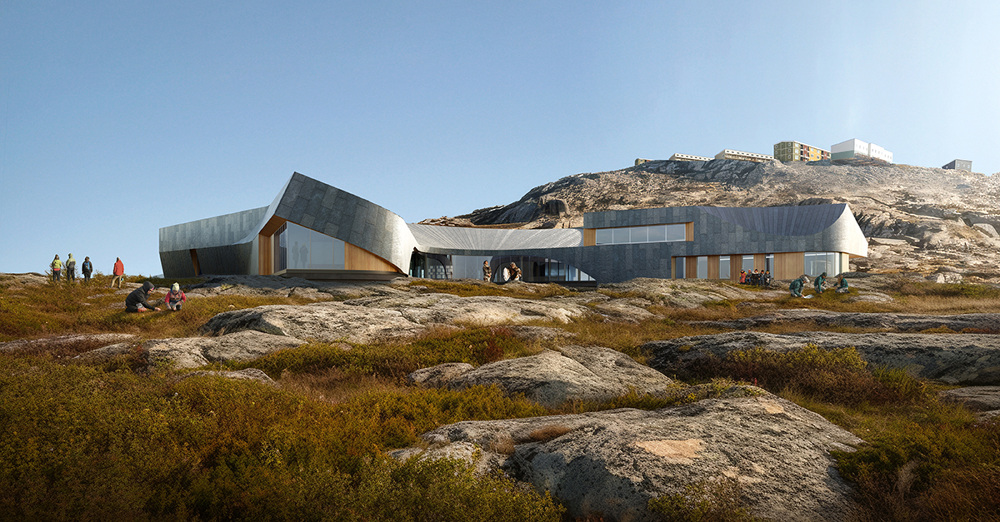
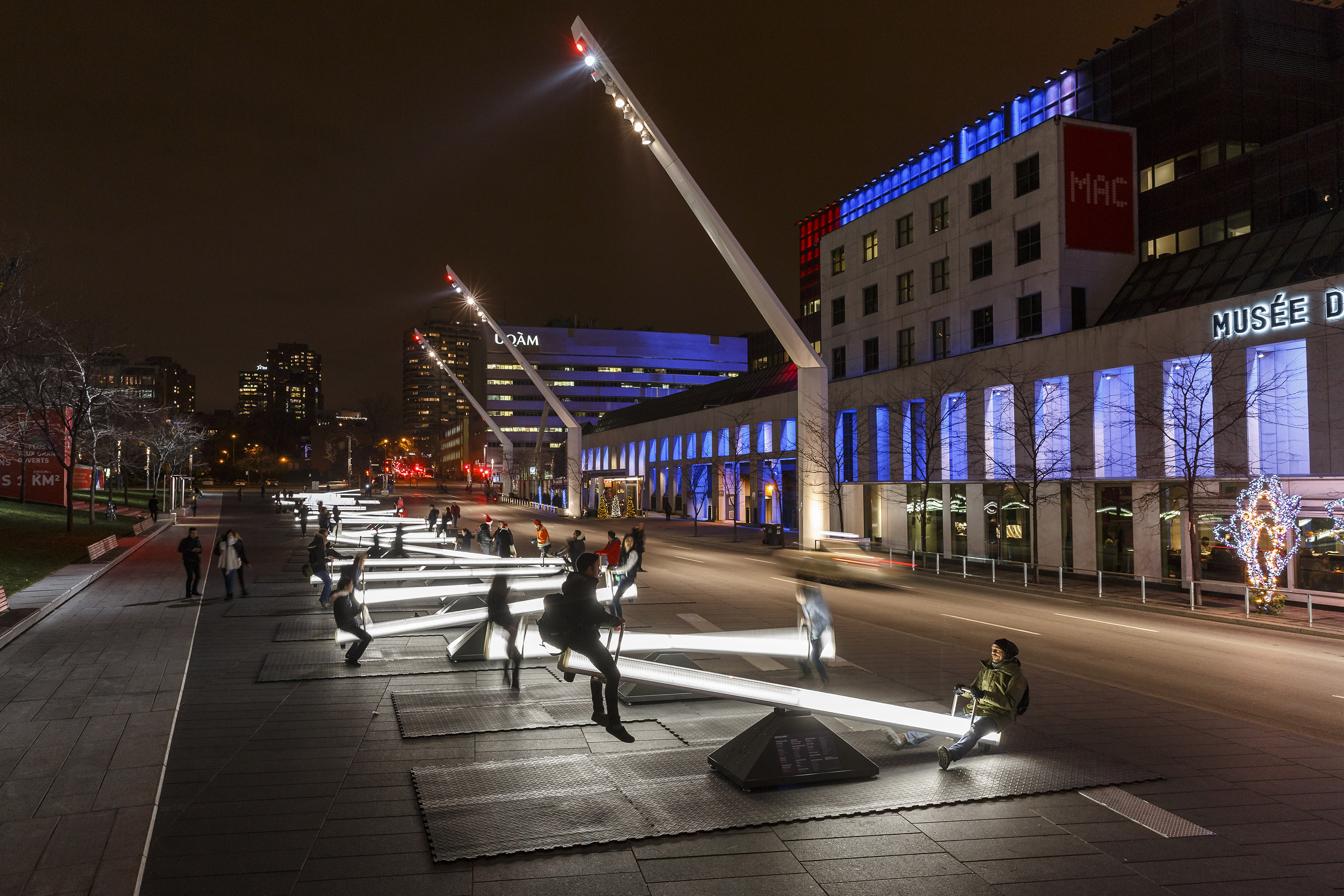
Professor Mason White’s work and research privileges architecture as a mutable territory that is formed out of and responsive to its environment and history. White founded the design practice Lateral Office in partnership with Lola Sheppard in 2003. He is also a founding editor of the journal Bracket, established in 2008. His work, research and teaching invites readings of architecture as a by-product of complex networks within ecology and culture. His recent research pursues questions of the role of infrastructure and networks within contemporary spatial practice.

In the graduate program, White teaches core and advanced design studios on architecture’s complex relationship to environment, and analysis-based electives on the culture of technology in architecture.

Lateral Office has received numerous awards and recognitions, including:

  • AZ Award, 2025, 2024, 2016
  • Canadian Architect Award of Merit - 2023
  • Holcim Foundation for Sustainable Construction, Silver Award - 2021
  • RAIC National Urban Design Award - 2016
  • Venice Biennale in Architecture, Special Mention - 2014
  • Progressive Architecture Award - 2013
  • Holcim Foundation for Sustainable Construction, Gold Award - 2011
  • Architectural League of New York, Emerging Voices - 2011
  • Canada Council for the Art, Professional Prix de Rome - 2010

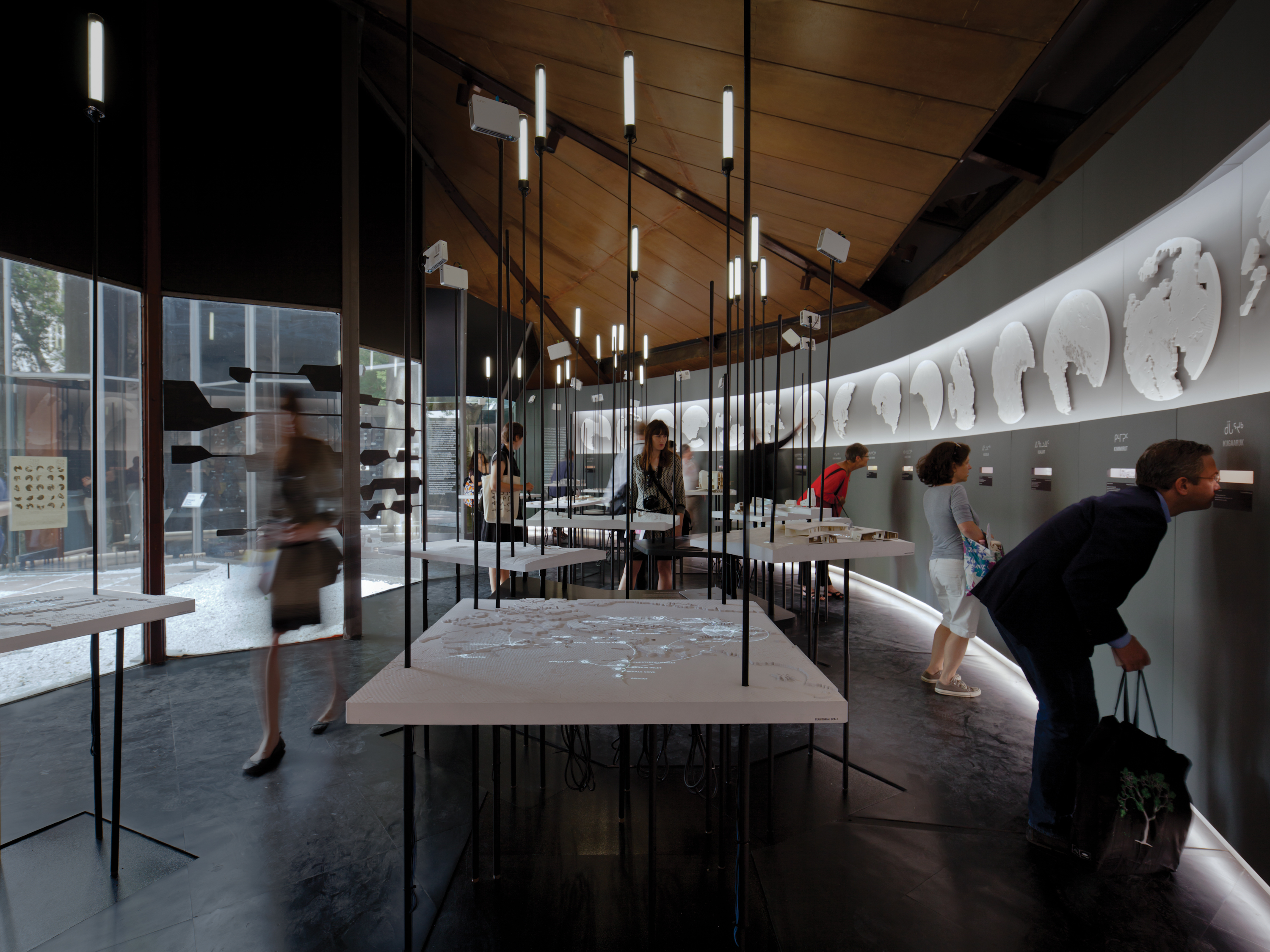
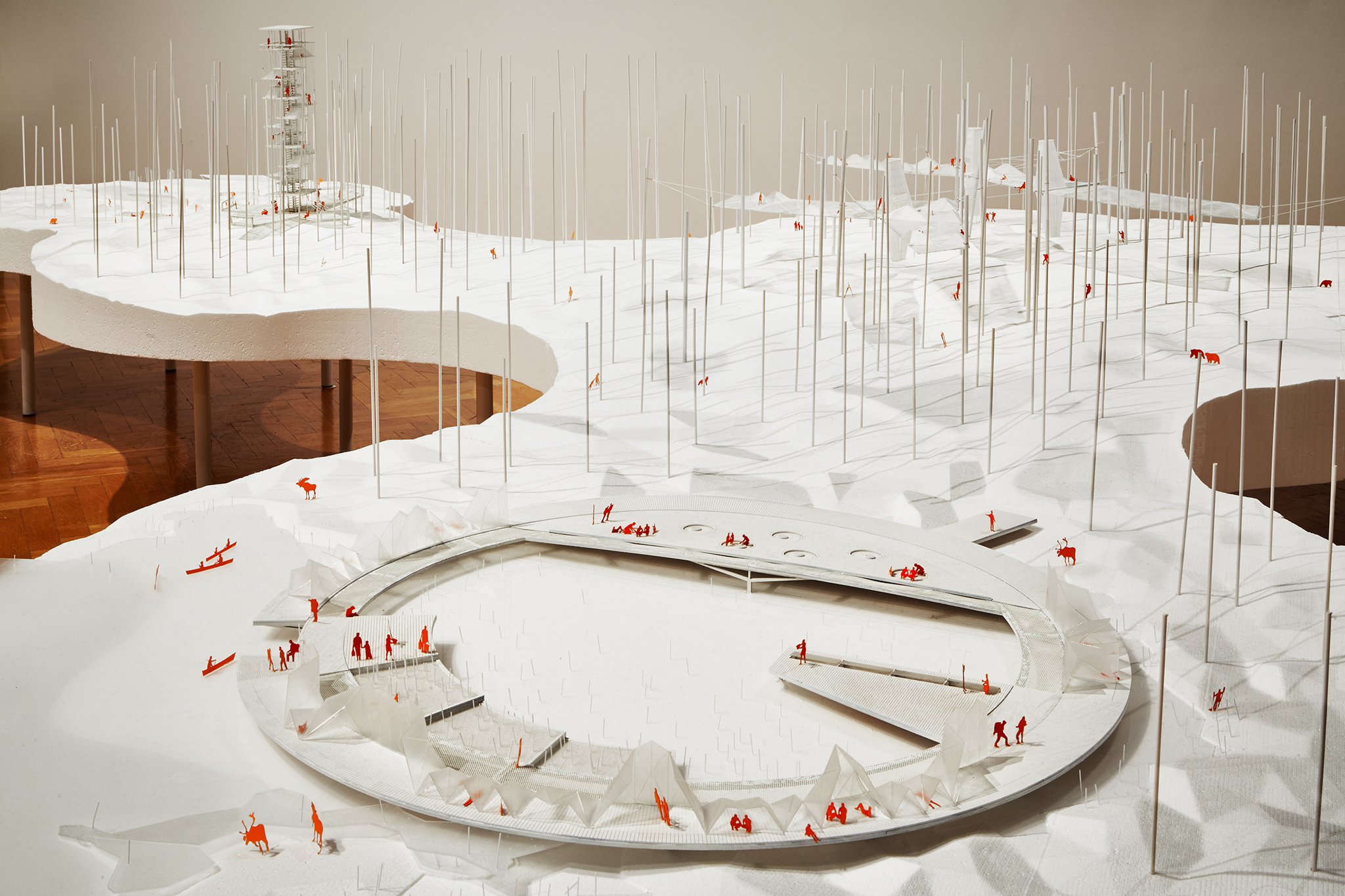
Lateral Office was a 2020-21 University Design Research Fellow at Exhibit Columbus, and has been invited to the 2022 Tallinn Architecture Biennale, the 2020-21 Venice Biennale in Architecture, 2019 Oslo Architecture Triennale, 2017 Seoul Biennale of Architecture and Urbanism, 2015 Chicago Architecture Biennial, and the 2014 Venice Biennale in Architecture, where they were awarded Special Mention from the international jury for the project “Arctic Adaptations.”

Professor White has received multiple Faculty Design Awards (2024, 2022, 2012, 2011) from the Association of Collegiate Schools of Architecture. White’s recent research and design work has focused on public infrastructures in northern and remote contexts. White has developed a growing record of interdisciplinary work pursued collaboratively. He has been a primary investigator and collaborator on several major tri-council grants, including:

  • SSHRC, "Uvaguqatsiarniq (A Home for All): Co-Designing Supportive Housing in Nunavut," (2025-28)
  • SSHRC, “Niwiigwaaminaanin: Co-Design for On-Reserve Housing,” (2021-24)
  • SSHRC, “Housing Nunavut for All Ages,” (2020-24)
  • SSHRC, "Envisioning an Arctic Indigenous Wellness Centre," (2018-19)
  • SSHRC, “Renewing Newfoundland’s Outports: Architecture as Catalyst,” (2017-21)
  • SSHRC, “Nunavut’s Urban Futures,” (2014-18)
  • CIHR, “Transforming Primary Health Care in Remote Northern Communities,” (2012-17)

White’s significant publications include:

  • Bracket 4 [Takes Action], Neeraj Bhatia and Mason White, editors, (Applied Research and Design, 2020)
  • “Arctic Architecture: Standards, Experiments, and Consensus,” in Canadian Modern Architecture 1967 to the Present, ed. by Elsa Lam and Graham Livesey, (Princeton Architectural Press, 2019)
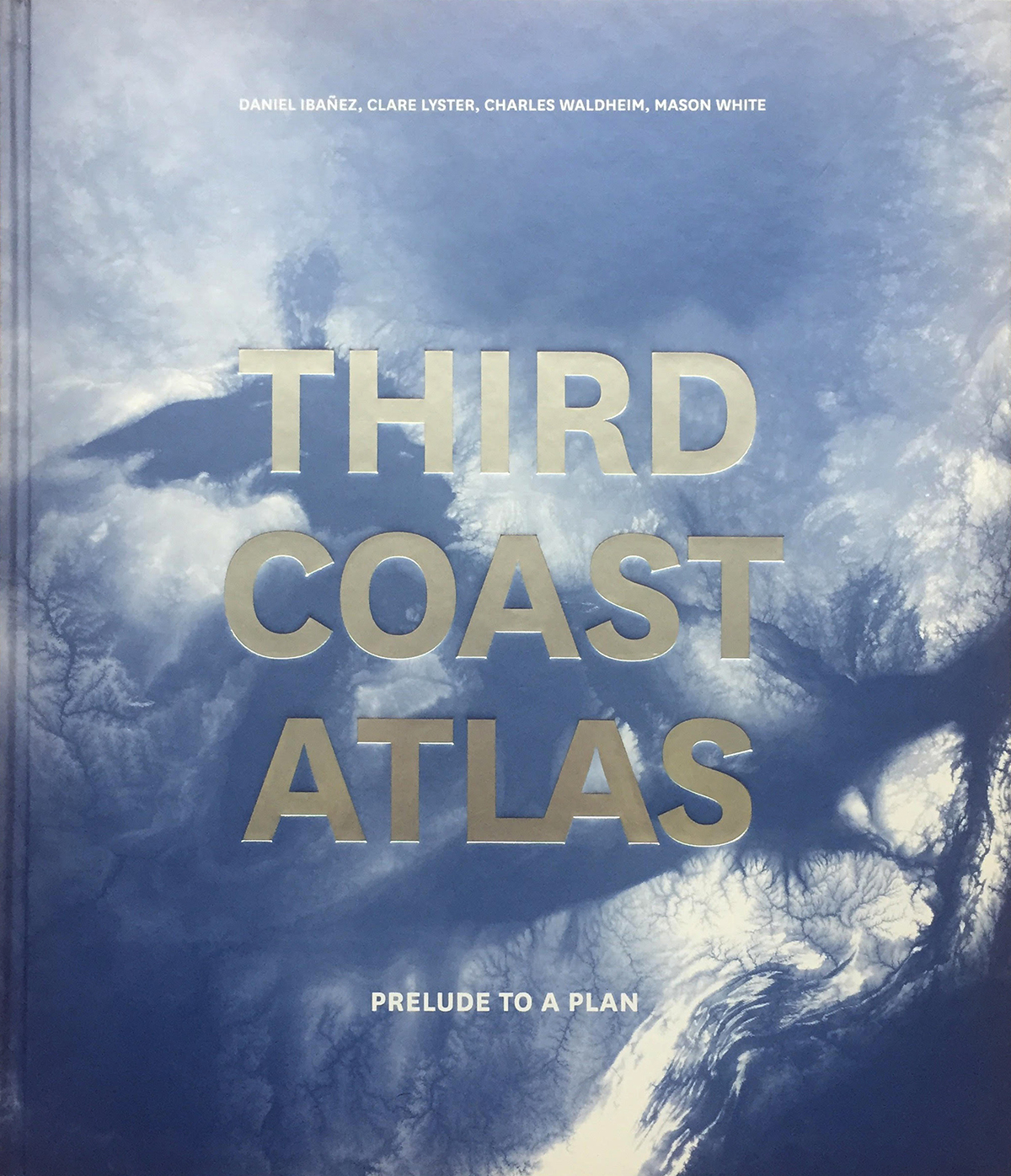
  • Third Coast Atlas: Prelude to a Plan, Daniel Ibanez, Clare Lyster, Charles Waldheim, Mason White, editors, (Actar, 2017)
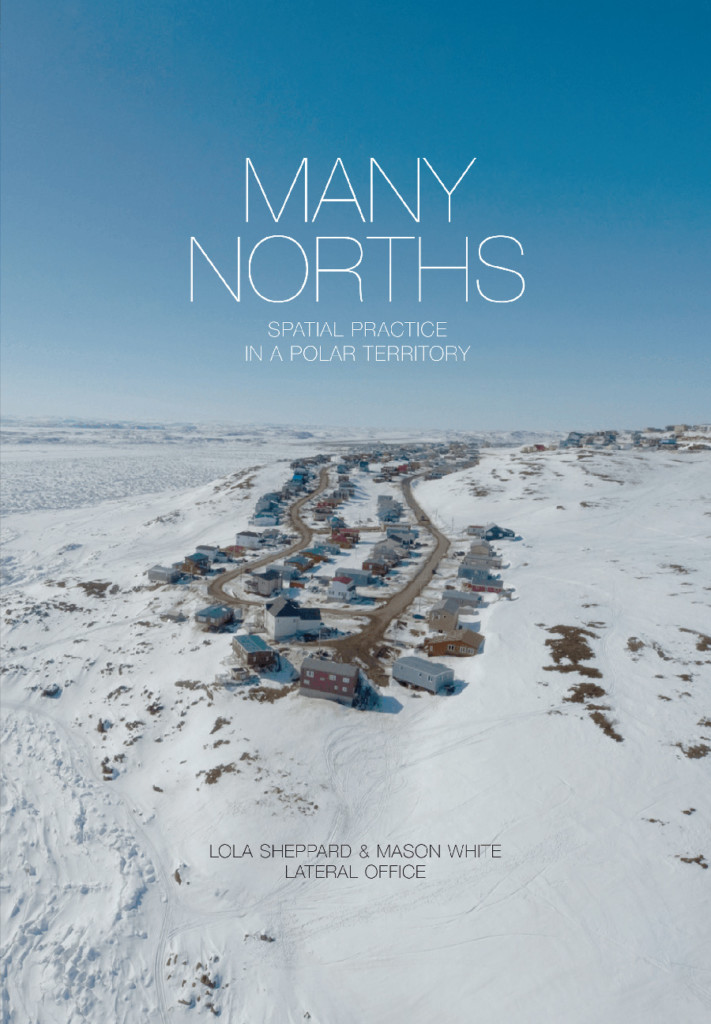
  • Many Norths: Spatial Practice in a Polar Territory, Lola Sheppard and Mason White (Actar, 2017)
  • Bracket 1 [On Farming], Maya Przybylski and Mason White, editors, (Actar, 2010)
  • Pamphlet Architecture #30, “Coupling: Strategies for Infrastructural Opportunism,” Lateral Office / InfraNet Lab, (Princeton Architectural Press, 2010)

Professor White was inducted as a Fellow of the Royal Architectural Institute of Canada in 2021. White was the 2012-13 Howard Friedman Professor at UC Berkeley; the 2008-09 Arthur W. Wheelwright Fellow from Harvard Graduate School of Design; and the 2003-04 Lefevre Emerging Practitioner Fellow at Ohio State University. His work has been published in the Globe and Mail, Canadian Architect, Landscape Architecture Magazine, Architectural Record, C3, Architect, Praxis, and Architectural Record. His writing has been published in Perspecta, New Geographies, Praxis, Kerb, OZ Journal, MONU, A+U, and 306090. He has lectured and exhibited work internationally in the U.S., Germany, Chile, Bulgaria, Russia, Korea, Iceland, the Netherlands, and England, among others. White previously taught at Harvard University (2015, 2011), Cornell (2004-05), and Ohio State University (2003-04). He has been an invited external critic at schools widely and internationally.

John Shnier

Associate Professor

john.shnier@daniels.utoronto.ca

John Shnier practices architecture in Toronto as a partner in the award-winning firm Kohn Shnier Architects.

The firm has received numerous citations including several City of Toronto Urban Design and Architecture awards, Ontario Associations of Architects Awards, National Post/Design Exchange Awards, and an International ID Award. The firm has also been nominated for two significant international prizes: The Chrysler Design Award and the New York Architectural League’s Emerging Voices Prize.

The work of Kohn Shnier Architects is widely exhibited and published nationally and internationally in prestigious journals such as Objekt, Domus, Dwell, The New York Times, Azure and Frame magazines as well as recently being included in Taschen Press’ Architecture NOW Volume II and international compendium of architecture worldwide in which Kohn Shnier are the sole Canadian representative. An upcoming Phaidon World Atlas of Contemporary Architecture will also showcase one of their projects.

Kohn Shnier Architects has been responsible for the design of several important projects such as: the Shore and Moffat Library and Eric Arthur Gallery at Daniels; the Claude Watson School for the Arts for the TDSB; landmark facilities for the contemporary product manufacturer Umbra; and several private houses.

Their design of a compact storage element entitled “Spandrobe,” developed for Teknion Furniture, was exhibited at the “Workspheres” show at the Museum of Modern Art in New York and has since been acquired for their permanent collection. Other venues where the work has been shown include the Netherlands Architectural Institute, The Gallery of Contemporary Architecture in Rome, The RIBA in London and the Biennales of Ecuador and Montreal. In Toronto, the work of the firm has had exhibitions at The Power Plant, The Design Exchange and Ballenford Books.

John Shnier was Canada’s first ever recipient of the Prix de Rome in Architecture. In addition to his professional practice, Shnier is a periodic contributor to the architectural media and is a respected University lecturer and studio professor. He has taught at the Universities of Waterloo, Carleton, McGill, Manitoba and Calgary, and at the Rhode Island School of Design, Notre Dame and Cornell in their Rome studios.

John Shnier has lectured extensively both in North America and Europe and has been a visiting critic at Harvard and Columbia Universities. He is currently an Associate Professor of Design in the Master of Architecture program at Daniels, where he is refining and developing both seminar courses and design studios on the nature and origin of architectural ideas based on his interest in the work of both the 18c Venetian architect, Piranesi and the American artist Mathew Barney. In addition to teaching design studios, Professor Shnier has been developing a seminar course that examines a critical relationship between architecture and art practice that takes as a point of departure, the work of GB Piranesi.

Curriculm Vitae [pdf]
Brigitte Shim

Professor

brigitte.shim@daniels.utoronto.ca

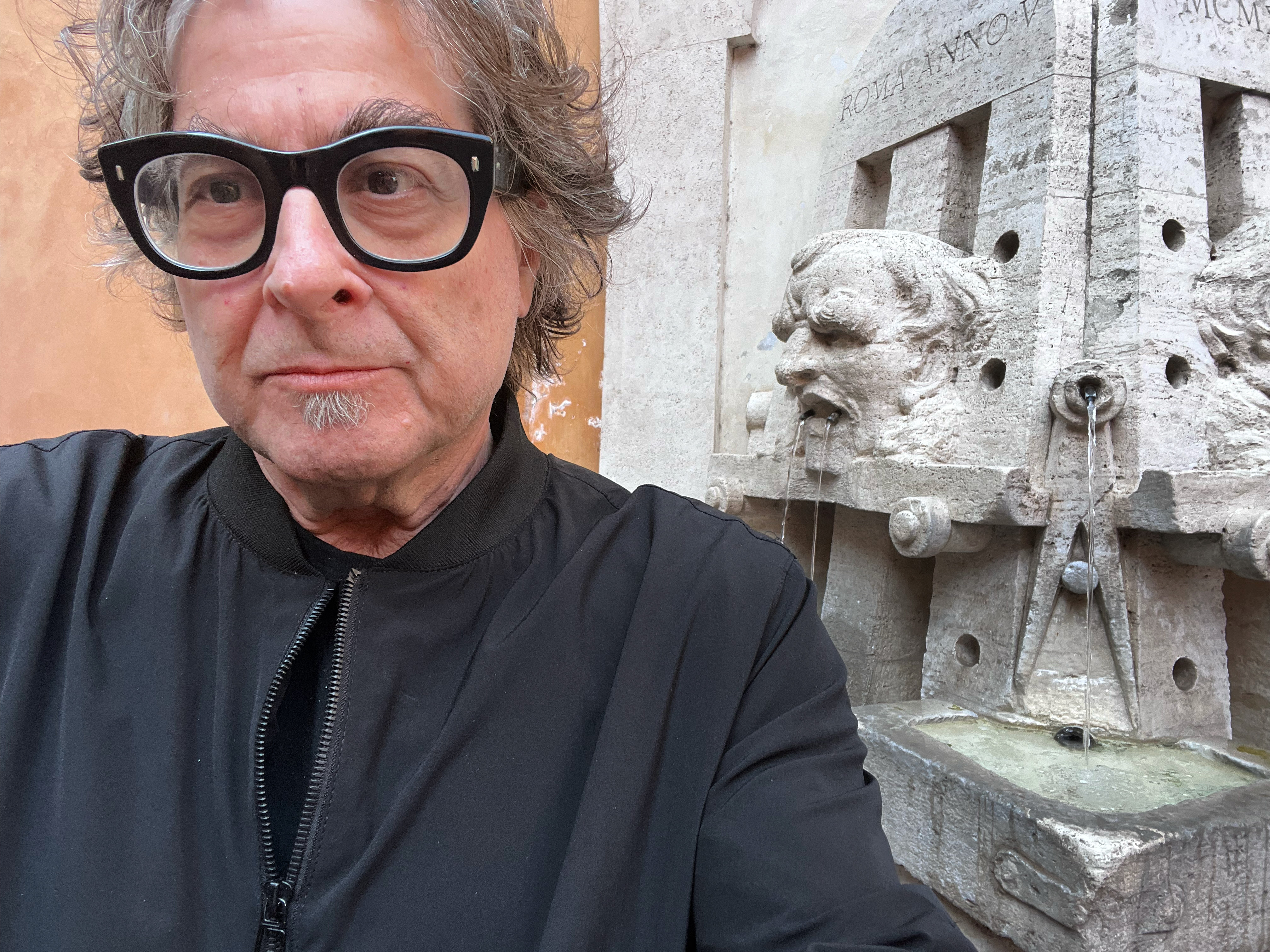
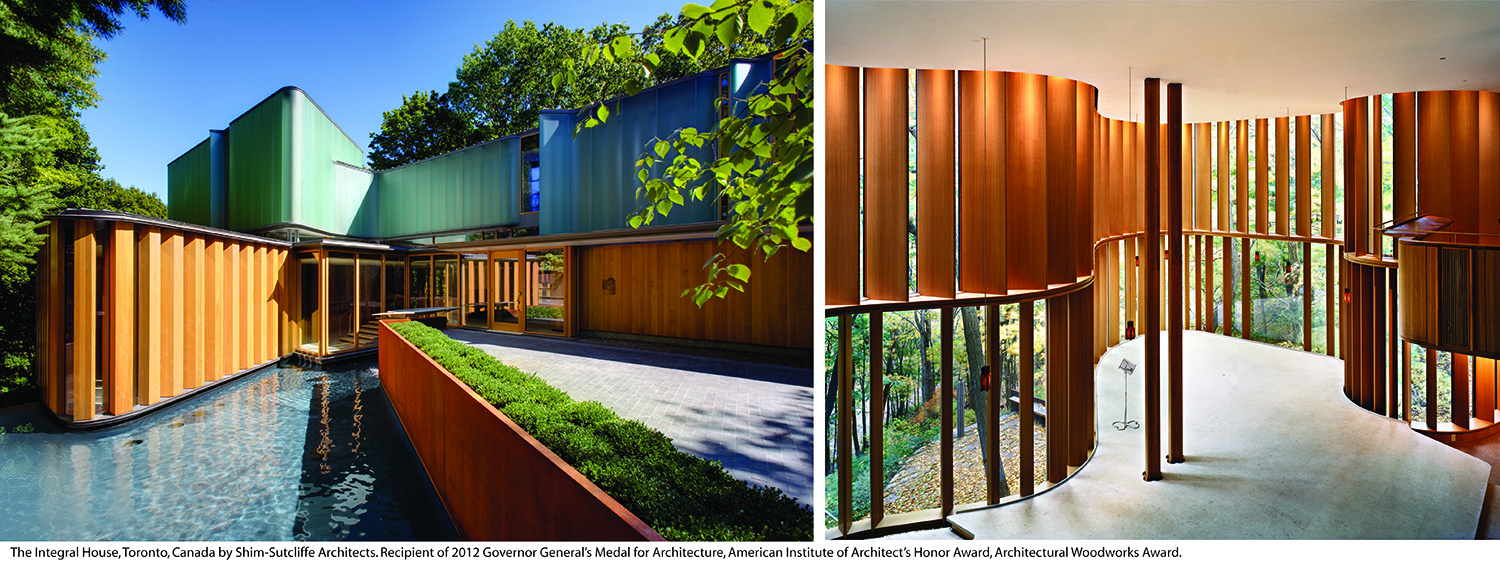
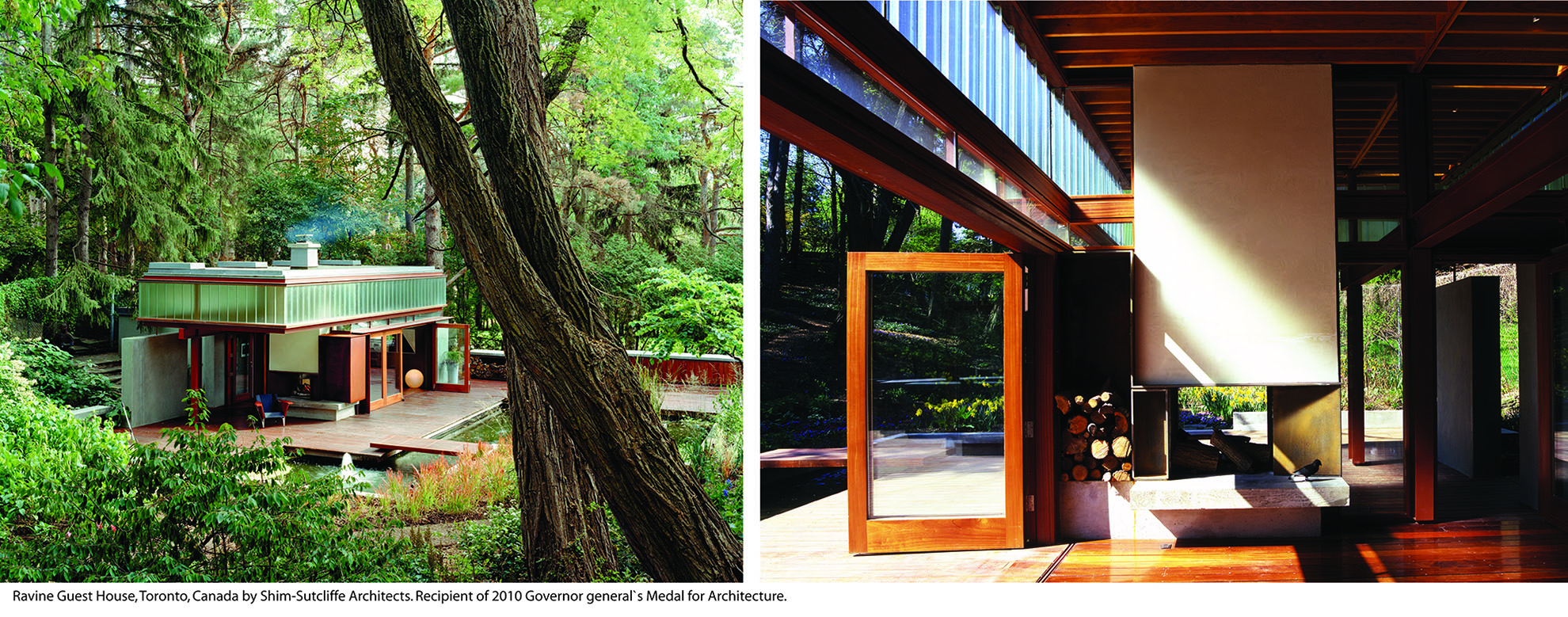
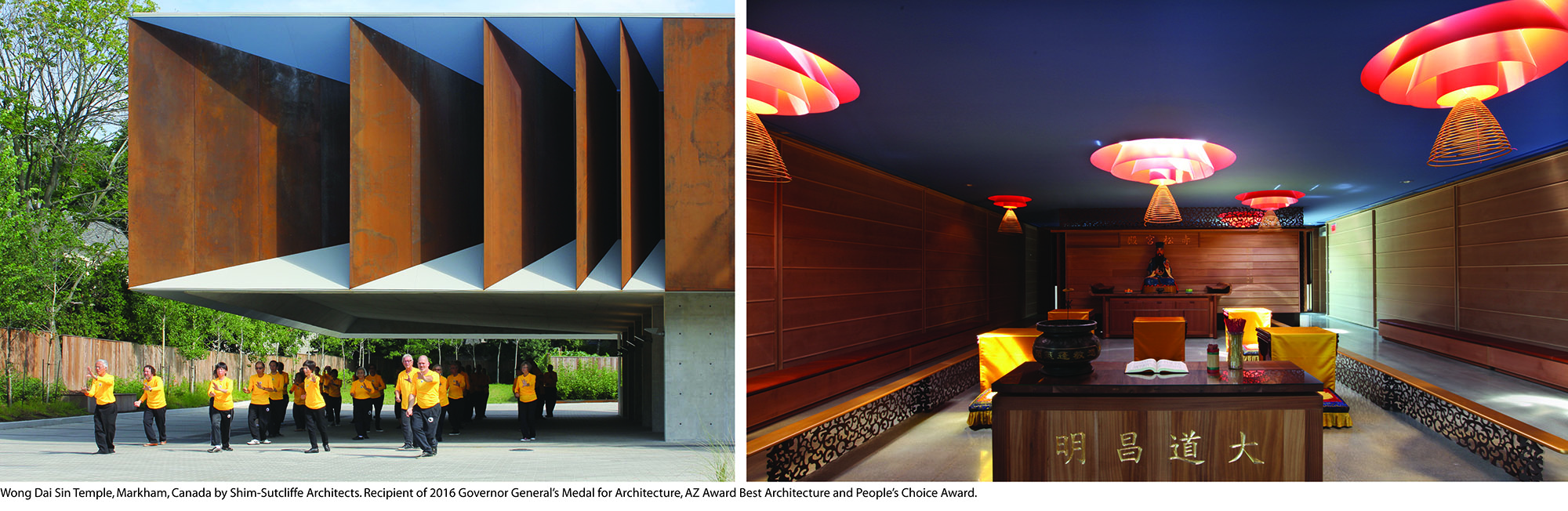
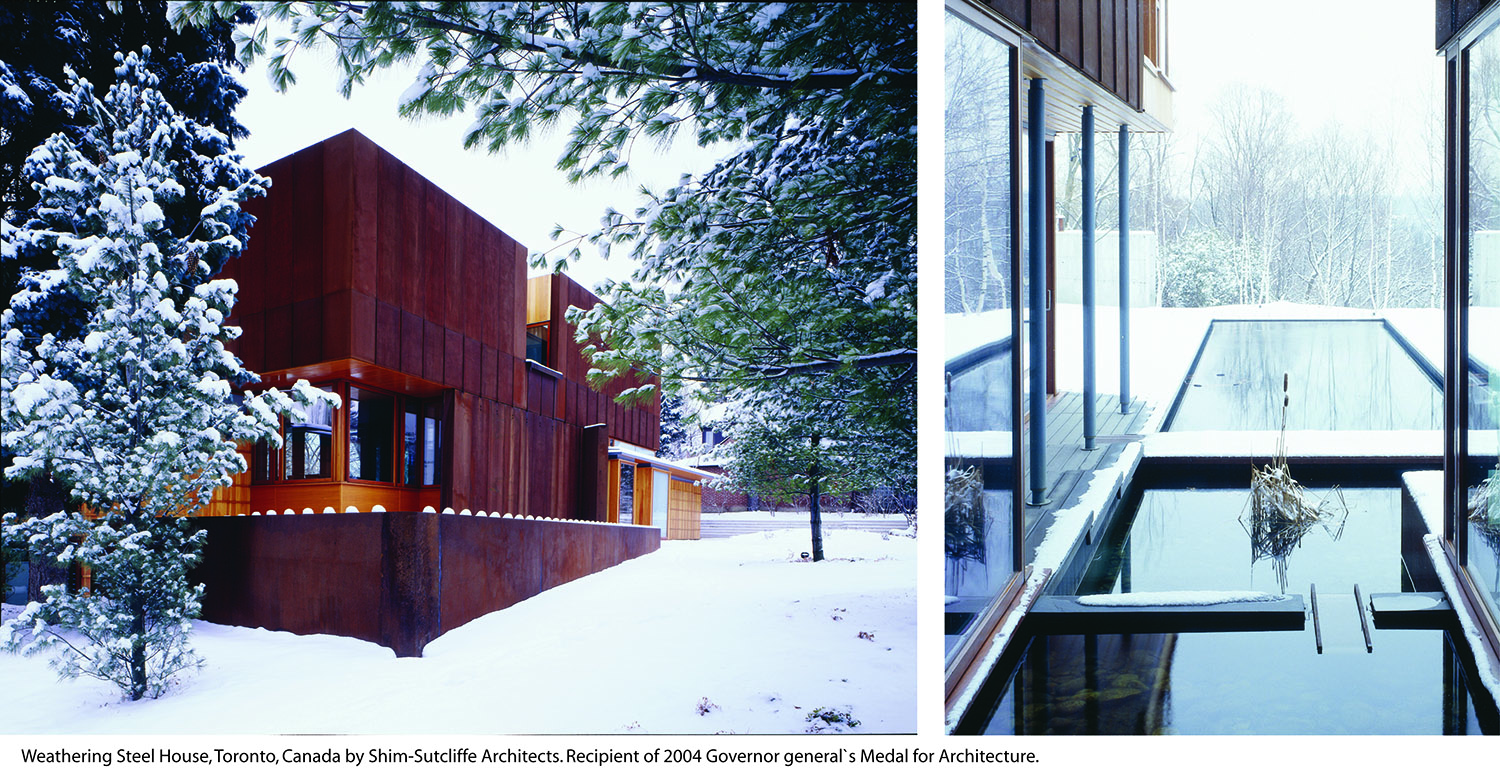
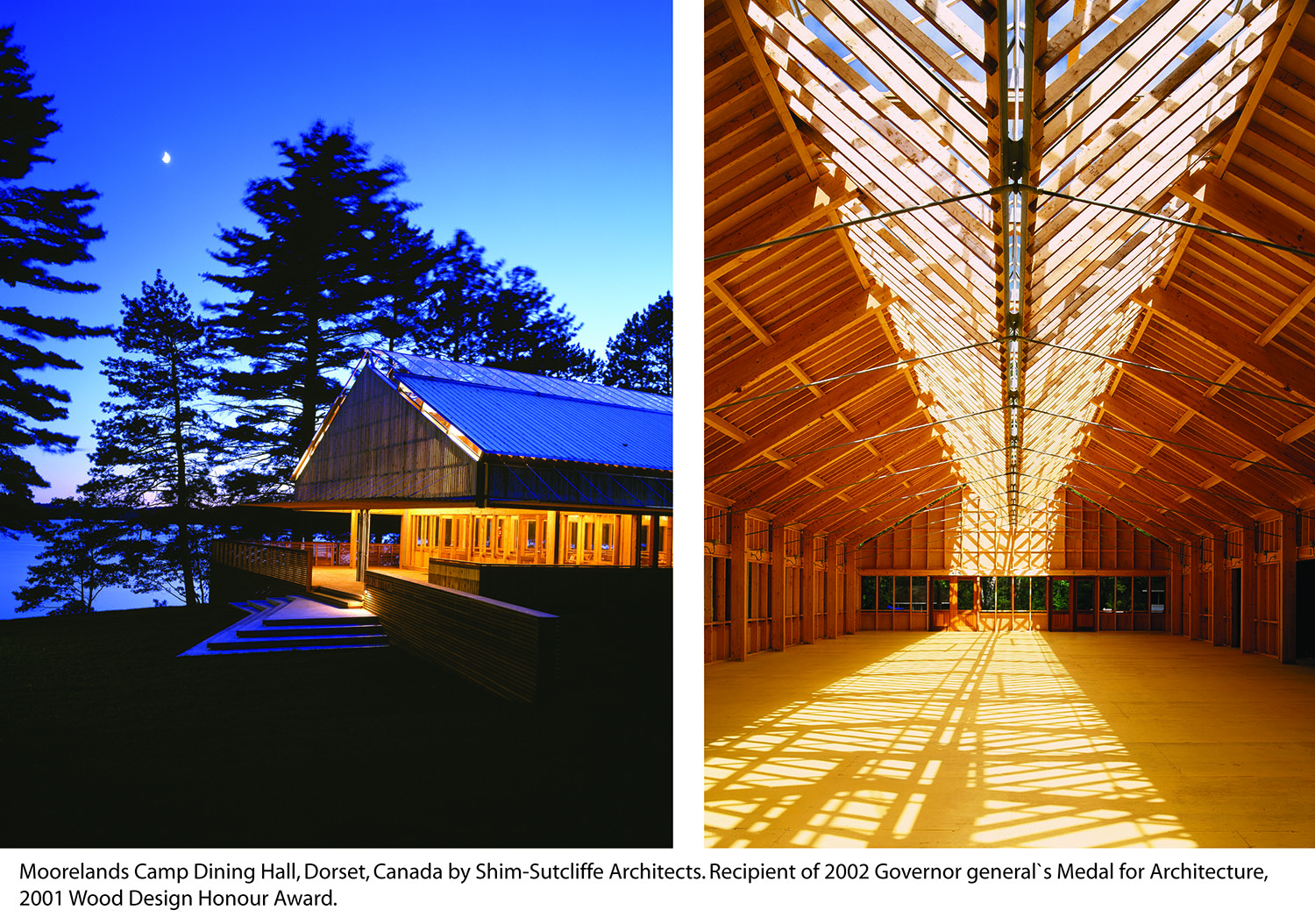
Brigitte Shim is a Professor at the John H. Daniels Faculty of Architecture, Landscape, and Design at the University of Toronto and  a principal at Shim-Sutcliffe Architects. She has been teaching at the Daniels Faculty since 1988, and has overseen core design studios, advanced design studios, thesis studios, and courses in the history and theory of landscape architecture. Born in Kingston, Jamaica, Shim graduated from the University of Waterloo with degrees in Environmental Studies and Architecture.

Shim, along with her partner A. Howard Sutcliffe, formed the architectural design practice Shim-Sutcliffe Architects in 1994. Their critical design practice reflects their shared interest in and passion for the integration and interrelated scales of architecture, landscape, and interior and industrial design. To date, Shim and Sutcliffe have received fourteen Governor General’s Medals and Awards for architecture as well as an American Institute of Architects National Honor Award, among many other professional accolades. Their built work includes projects for non-profit groups as well as public and private clients. Brigitte Shim has lectured on Shim-Sutcliffe’s built work and participated in invited international symposia around the world. Shim-Sutcliffe’s built work has been published in respected architectural publications around the world. Shim-Sutcliffe – The Passage of Time is part of the Documents in Canadian Architecture series published by Dalhousie Architectural Press.

Shim has also served on numerous international, national, and local design juries as an advocate for design excellence, including the 2007 Aga Khan Architecture Award Master jury. She is currently serving on the Aga Khan Architecture Award Steering Committee (2016 – 2018) and has been a field reviewer for the award programme. Shim is currently a member of Waterfront Toronto’s Design Review Committee. She has served on both Canada’s National Capital Commission Architectural Advisory Board and the University of Toronto’s Design Review Committee for over a decade. She was a board member of Build Toronto, the real estate and development corporation created to generate value from the City’s real estate assets (2008 – 2012). She has served as a board member of Mooreland’s Community Services — a local Toronto non-profit charity helping inner city children and youth affected by poverty since 1917 (2003 – 2008) — and Greenwood College School (2009 – 2013). She is a Senior Fellow at Massey College at the University of Toronto and was their College Architect for two decades.

Shim is a Fellow of the Royal Architectural Institute of Canada (FRAIC), an Honorary Fellow of the American Institute of Architects (Hon FAIA), and an elected member of the Royal Canadian Academy (RCA). She is a registered architect in the Province of Ontario (OAA), the State of Maine, and the State of Hawaii.

In January 2013, Brigitte Shim and her partner Howard Sutcliffe were both awarded the Order of Canada, “for their contributions as architects designing sophisticated structures that represent the best of Canadian design to the world,” along with the Queen Elizabeth II Diamond Jubilee Medal.

Shim was the 2014, 2010, and 2005 Eero Saarinen Visiting Professor at Yale University’s School of Architecture, and both she and Sutcliffe held the 2014 University of Auckland Distinguished Visitors’ Award at the School of Architecture and Planning within the National Institute for Creative Arts and Industries in Auckland New Zealand. In addition, Shim was the William B. and Charlotte Shepherd Davenport Visiting Professor (2008), the Henry Bishop Visiting Chair (2001), and the Visiting Bicentennial Professor in Canadian Studies (2001) at Yale University’s School of Architecture. She also held the invited international visiting professorship at Ecole Polytechnique Federal de Lausanne (2002) and at Harvard University’s Graduate School of Design (1996 and 1993). Shim was the Portman Visiting Critic at Georgia Institute of Technology’s College of Design (2016), the Somerville Visiting Lecturer at the University of Calgary’s Faculty of Environmental Design (2013), and the Martell Distinguished Visiting Critic at the University of Buffalo’s School of Architecture and Planning (2006). She was a Visiting Professor for the Thesis Program at McGill University’s School of Architecture (1992), and the Visiting Critics Studio at Carleton University’s School of Architecture (1990).

Brigitte Shim

Michael Piper

Associate Professor, Teaching Stream

Michael.Piper@daniels.utoronto.ca

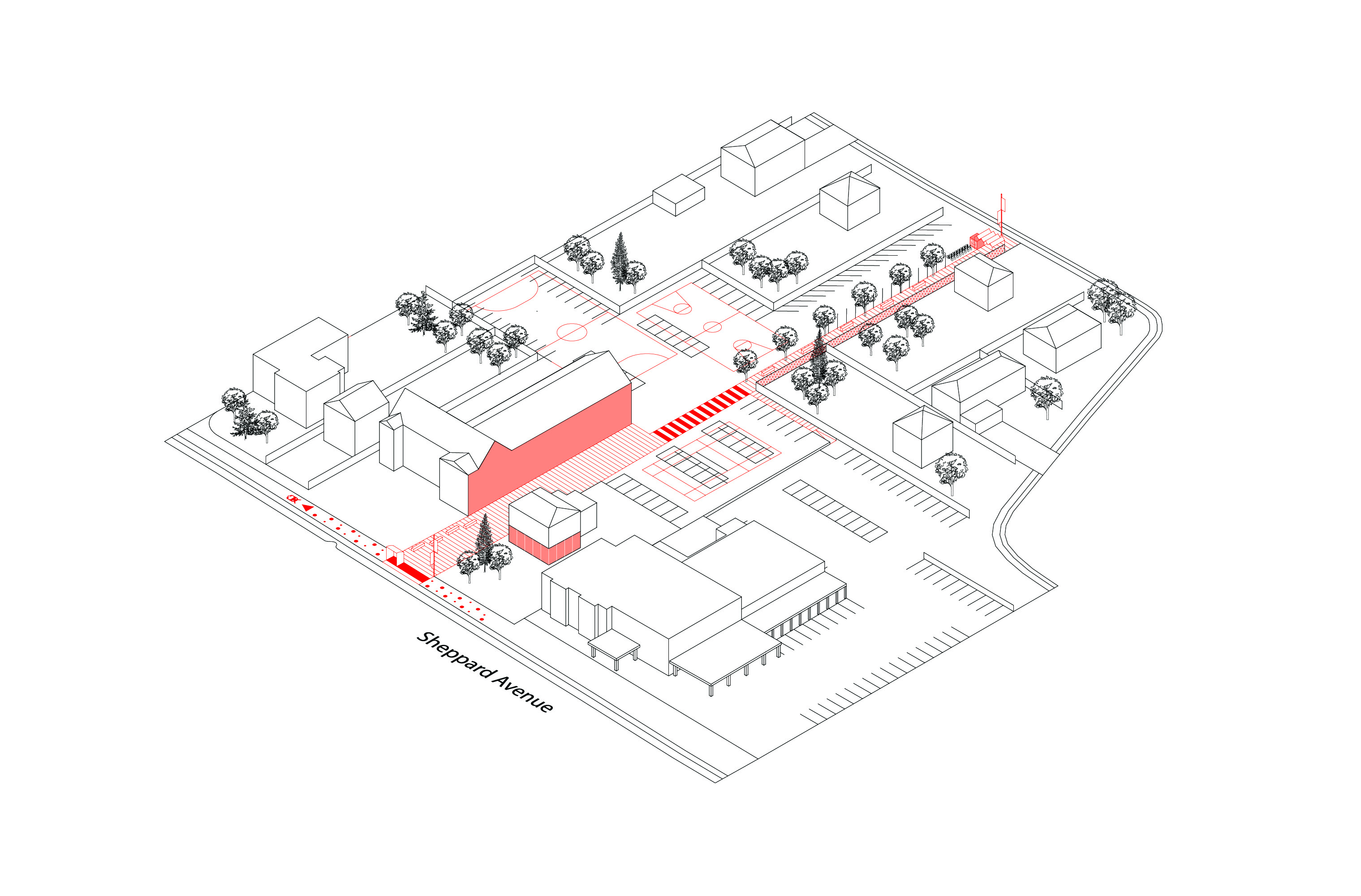
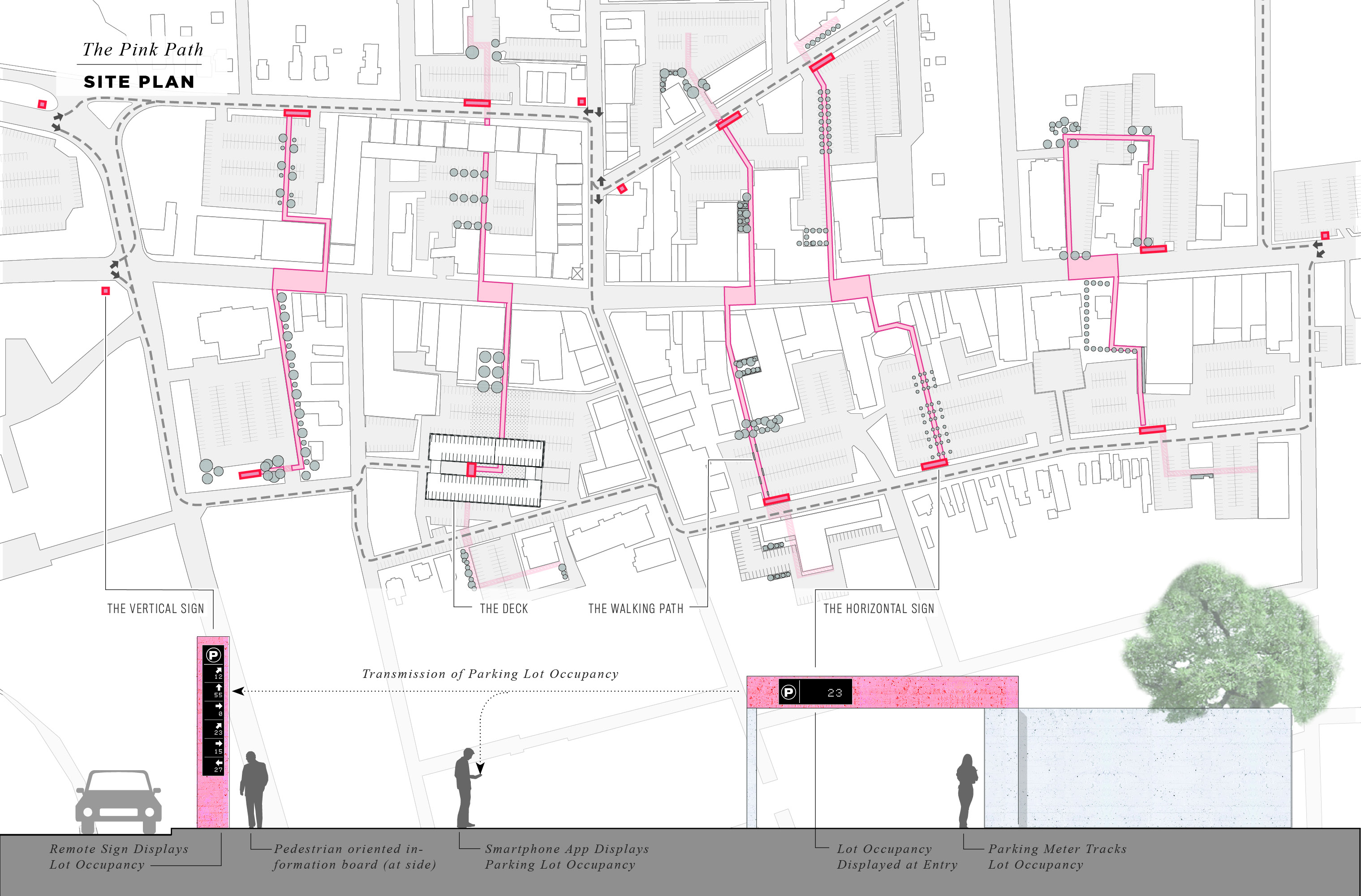
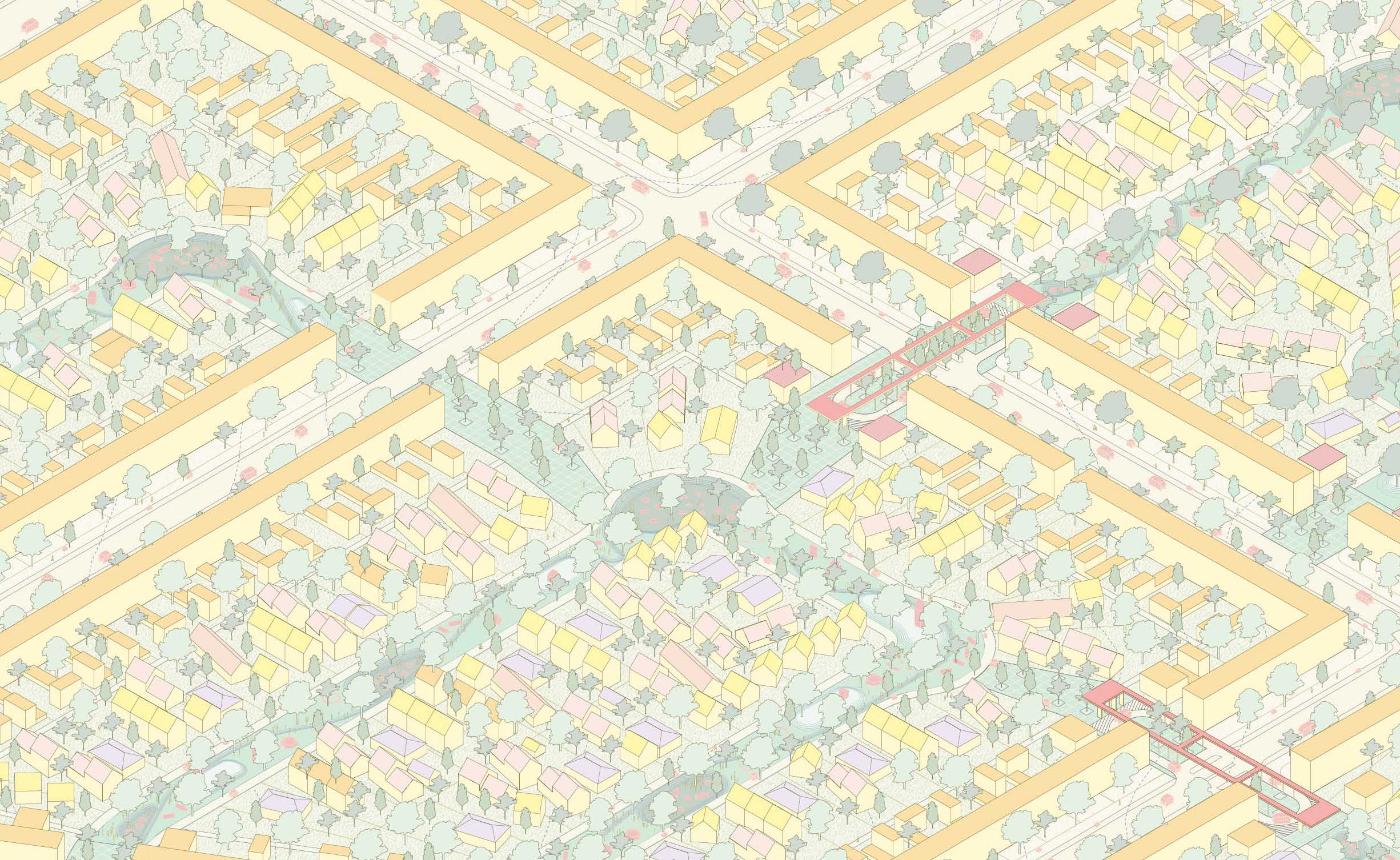
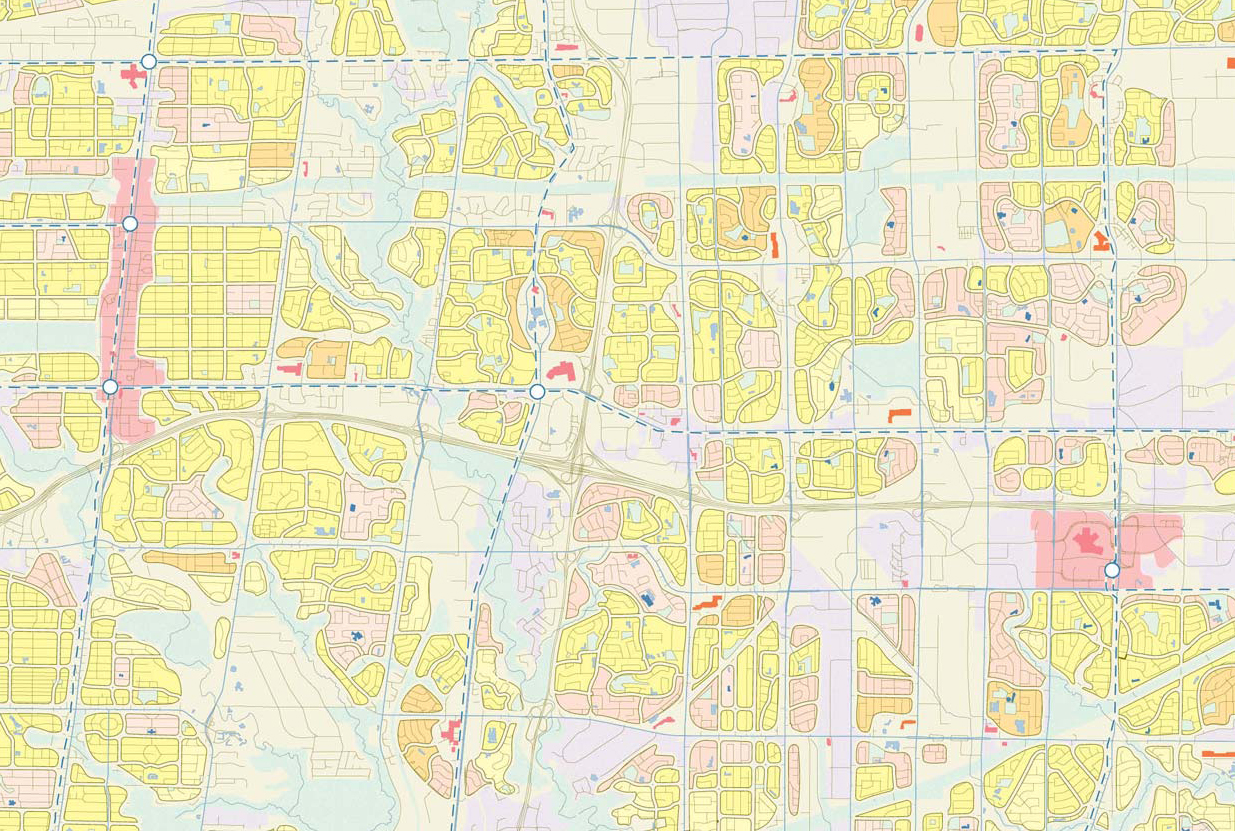
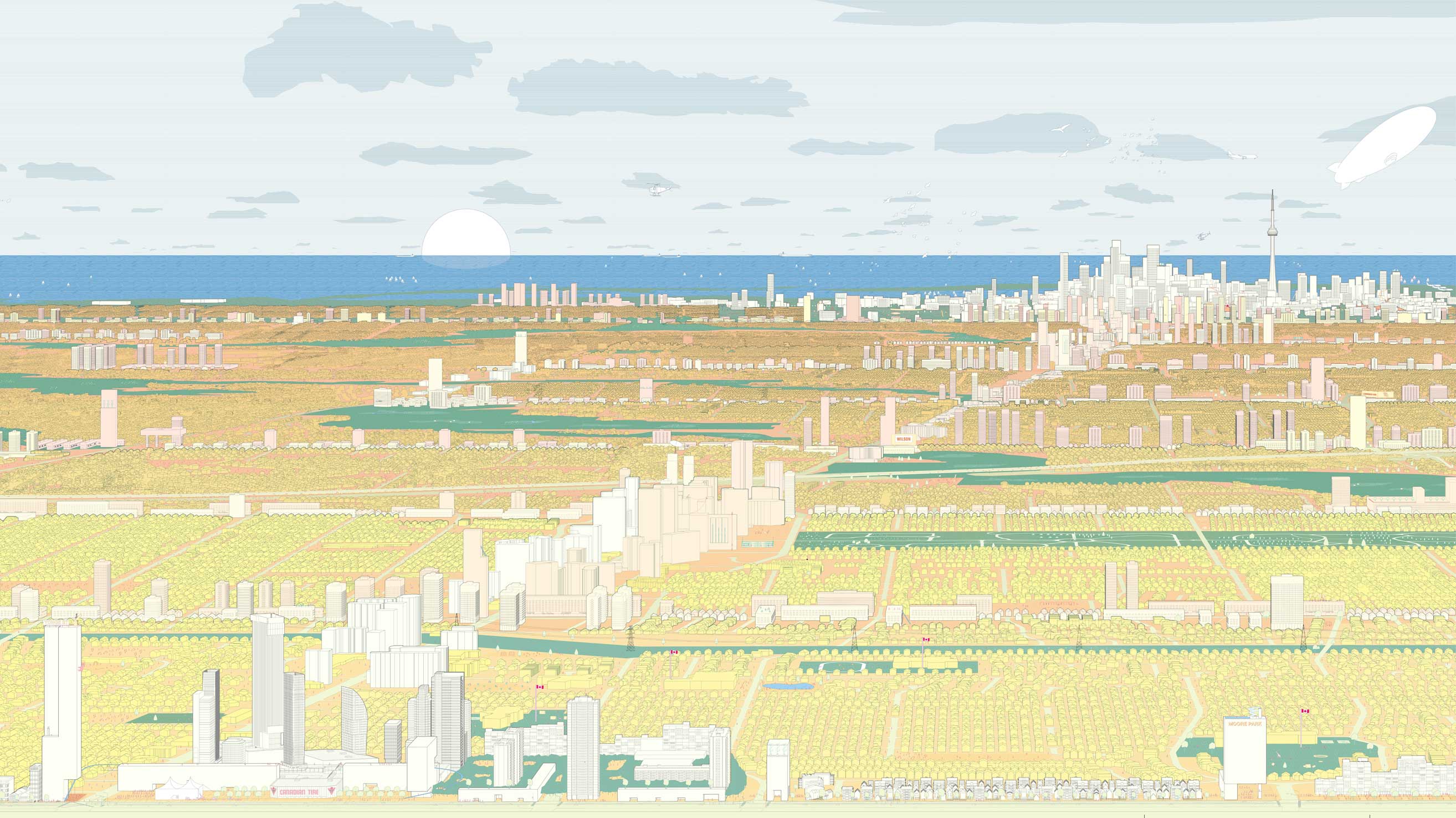
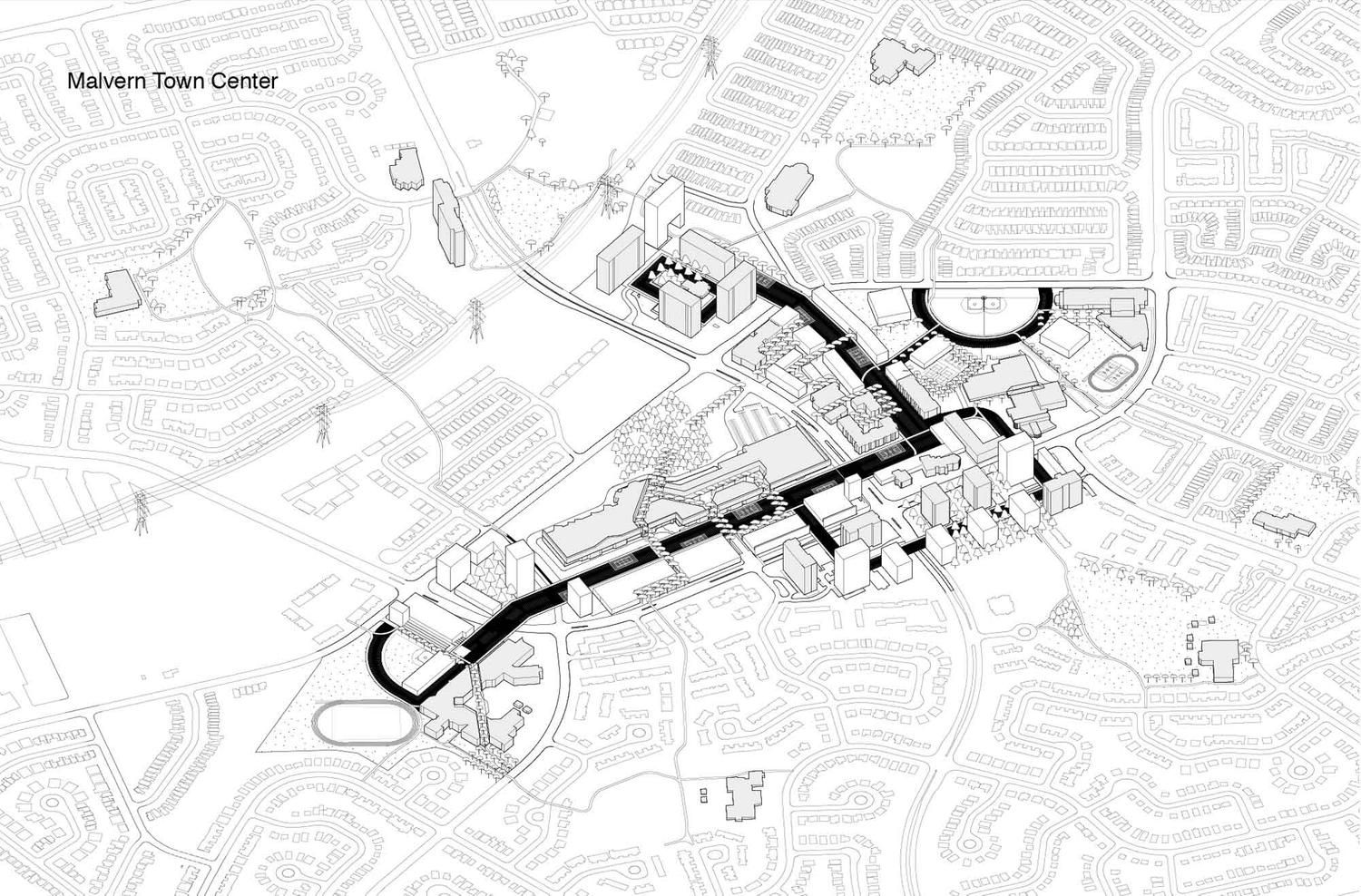
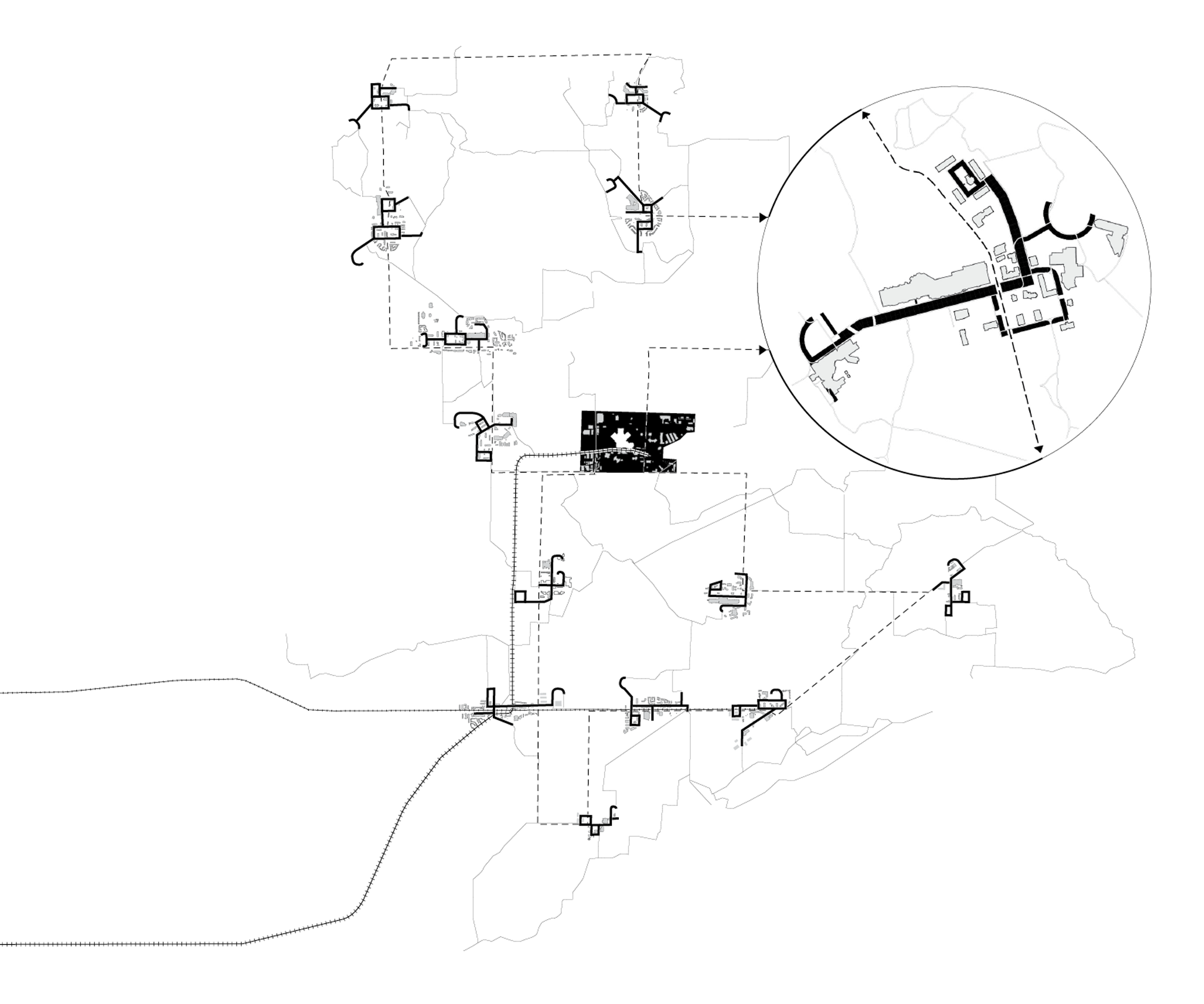
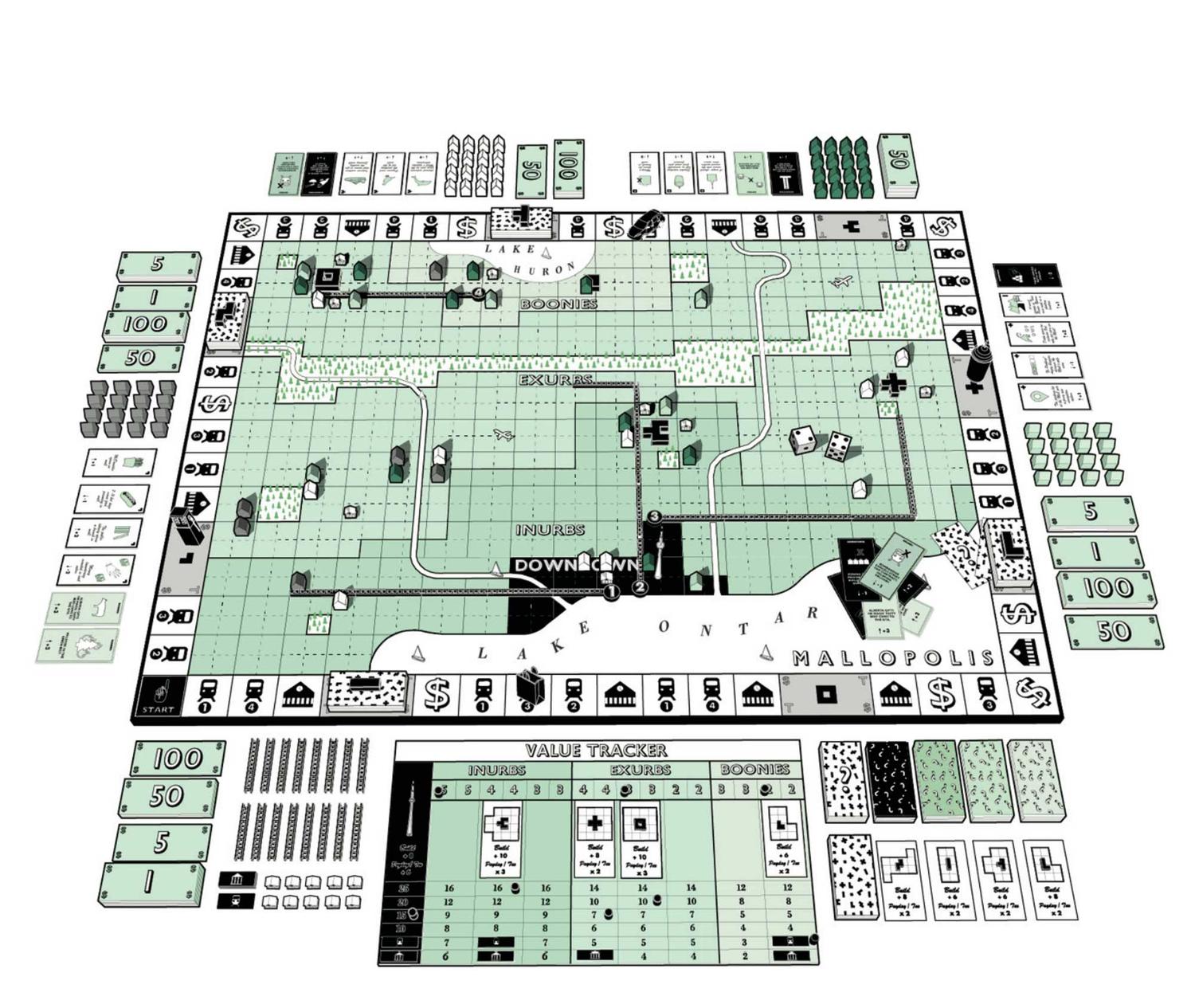
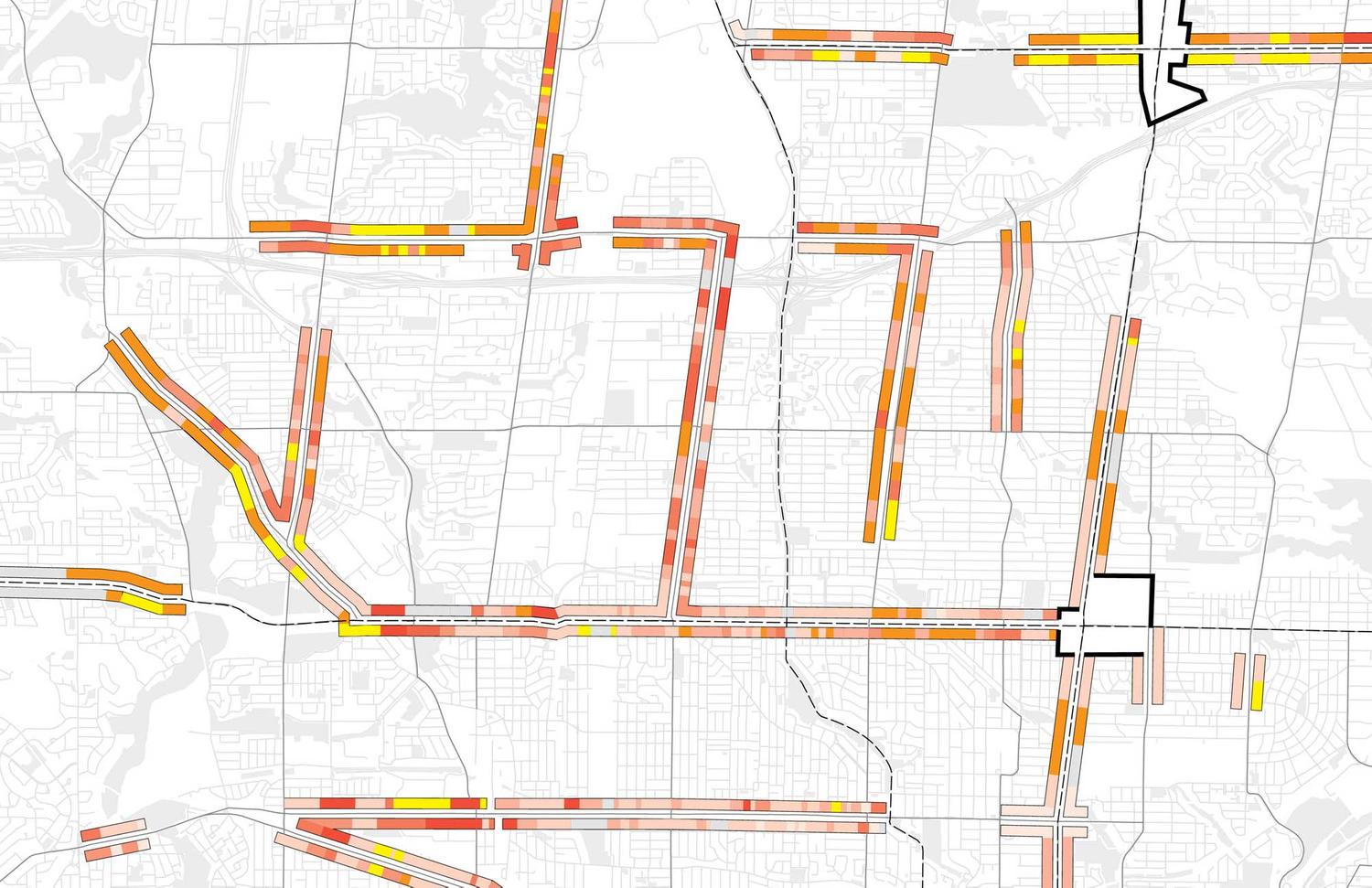
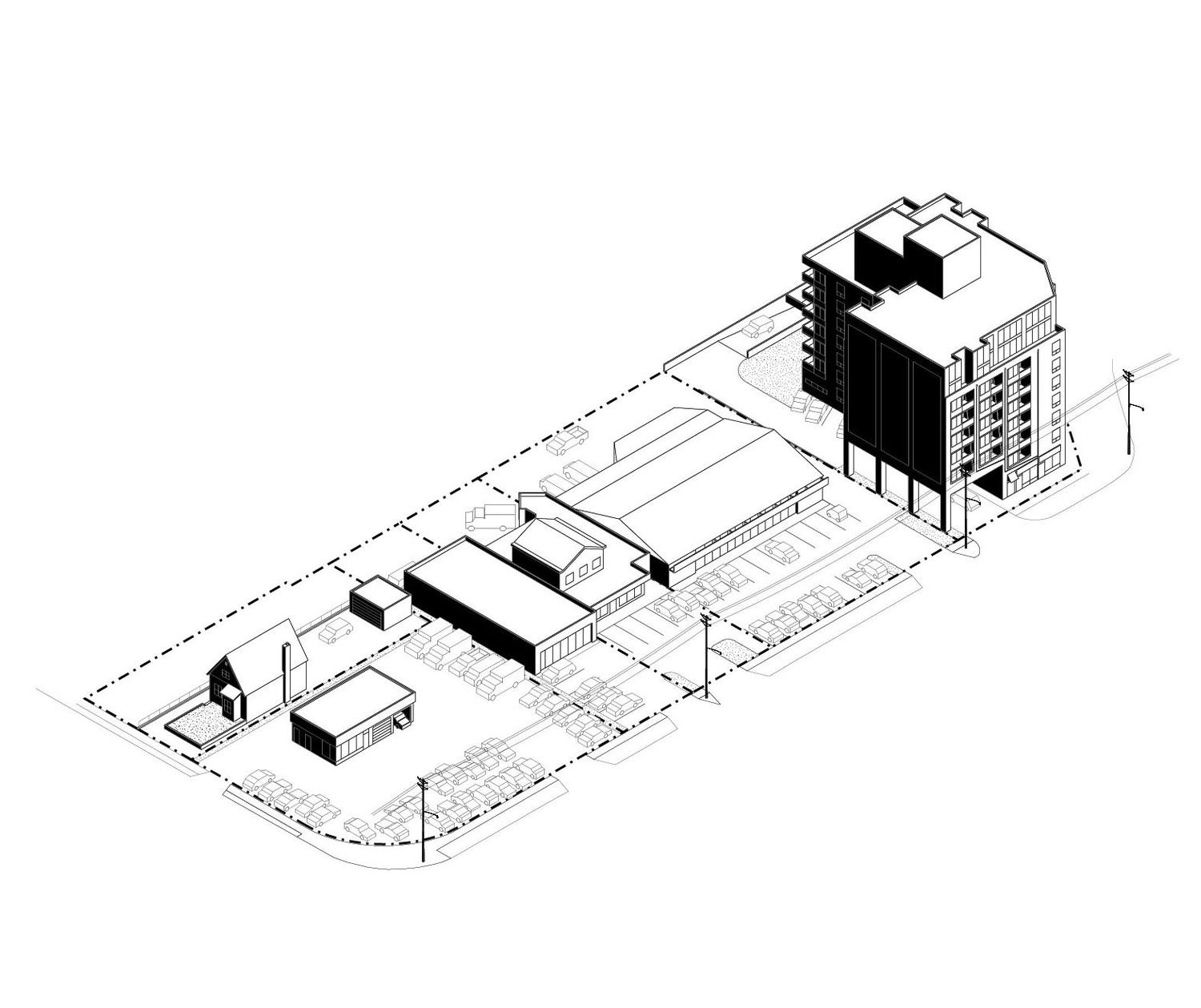
Michael Piper is an Associate Professor, Teaching Stream of Urban Design and Architecture at the University of Toronto. His work focuses on how design knowledge can impact city building and urban planning policy. His interests include suburban retrofits, infill housing, community partnerships, learning from existing cities, and merging typological and systems thinking with social and cultural research. He is passionate about communicating with broad audiences and creating new forms of media that make complex ideas engaging and easy to understand.

Piper is also Co-Founder and Director of Research at ReHousing, a design-forward nonprofit that develops tools, research, and partnerships to enable new models of infill housing. Together with Executive Director Sam Eby and Co-Founder Janna Levitt, the group applies design approaches to policymaking and housing delivery. Piper has led successful funding applications, including one to the Canada Mortgage and Housing Corporation (CMHC), resulting in a multi-year project to develop an online platform that provides design scenarios and cost analyses for small-scale citizen developers. He also leads research and consultation work with municipalities, including design research for zoning policy for the City of Toronto, for which ReHousing received the CMHC President’s Medal for Outstanding Housing Research.

His cultural research and service include Engage-Design-Build, an outreach and access program he co-coordinated with Sneha Mandhan in partnership with the Toronto District School Board. The program connects with high school youth to develop design, art, and construction projects within their own communities. This work continues through an undergraduate community partnership course that Piper coordinates at the University of Toronto.

He is also a Co-Founder and Director of tuf lab, a research group that brings together urban design and urban planning faculty at the University of Toronto to study complex problems of contemporary urbanization. The group’s research explores the relationship between design knowledge, the analysis of built form, and the social, political, and economic contexts that shape cities. Piper was previously a founding partner of dub studios, a design practice based in Los Angeles.

His courses cover topics including urban design, housing design, urban analysis, visualization for urbanism, and graduate thesis advising. These courses align with his research, emphasizing typological design, infill housing, policy analysis, and the ways designers can engage with lived experience in cities. His writing has been published in JAPA, Thresholds, Scapegoat, MONU, and 306090, and his design work has been exhibited at the Seoul and Rotterdam Biennales.

Piper holds a Bachelor of Science in Architecture from the Georgia Institute of Technology and a Master of Architecture from Harvard University’s Graduate School of Design.

Adrian Phiffer

Associate Professor, Teaching Stream

adrian.phiffer@daniels.utoronto.ca
T 647-838-7991

Adrian Phiffer is originally from Romania. He directs Office of Adrian Phiffer and teaches architecture at the University of Toronto’s John H. Daniels Faculty of Architecture, Landscape, and Design. Phiffer’s work includes building and master planning projects in Nurnberg, London, Delhi, Beijing, Prague, Riga and Montreal. He is the author of the book Strange Primitivism and director of the short film Hero of Generic Architecture.


Pina Petricone

Associate Professor

p.petricone@daniels.utoronto.ca

Pina Petricone’s work and research is centred around tectonics, craft and the detail as an urbanist practice where diversity and durability are mined from the specificity of each project to define an approach to city-building at every scale. Petricone is a founding principal with Ralph Giannone of Giannone Petricone Architects in Toronto. She guides the studio to deliver innovative, visionary and widely recognized work by leading and advancing the firm’s creative and research output to be at the forefront of industry practice and professional knowledge. Petricone oversees and guides projects with studio teams to optimize design quality, to foster teaching and learning, and to test projects for positive impact on the world.

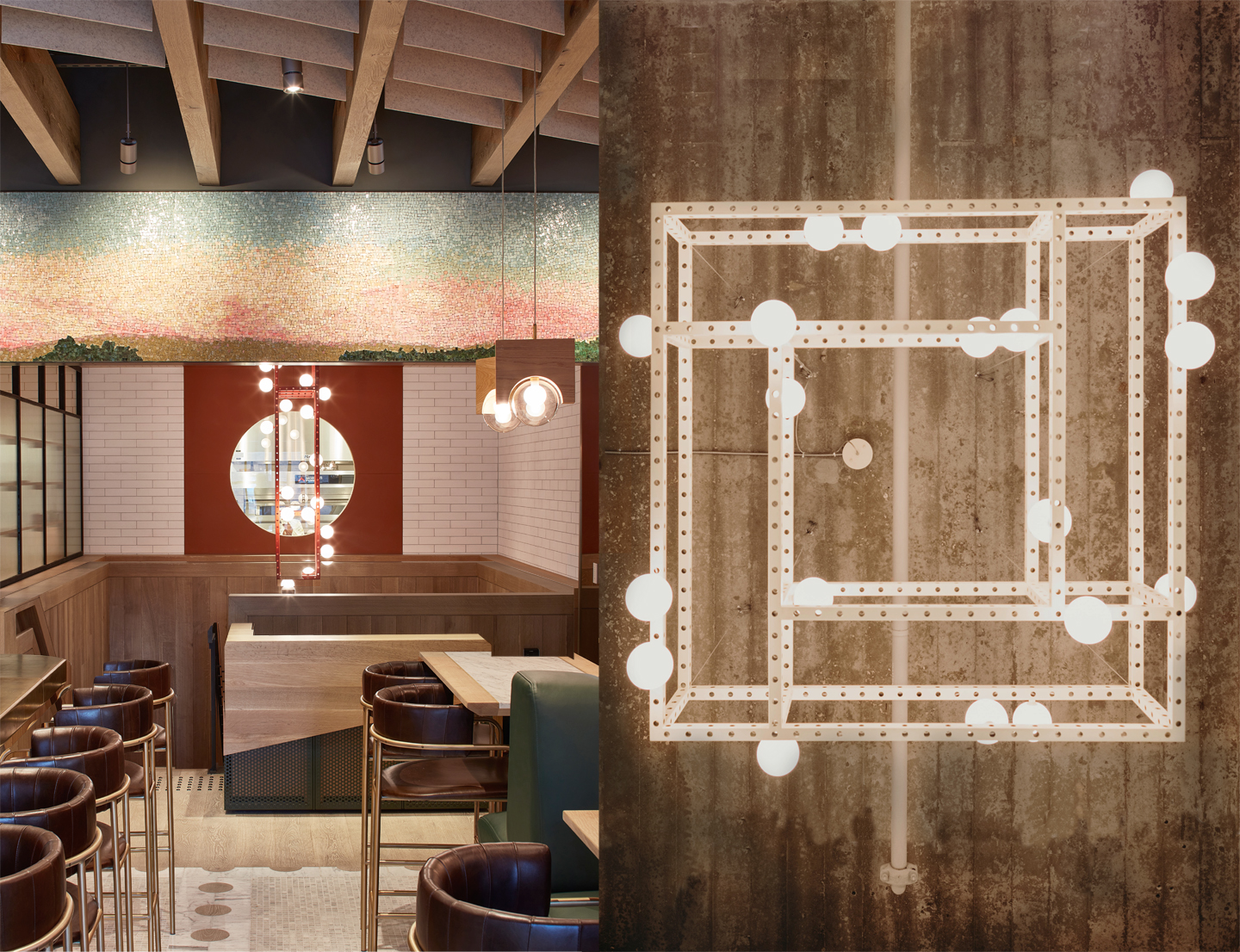
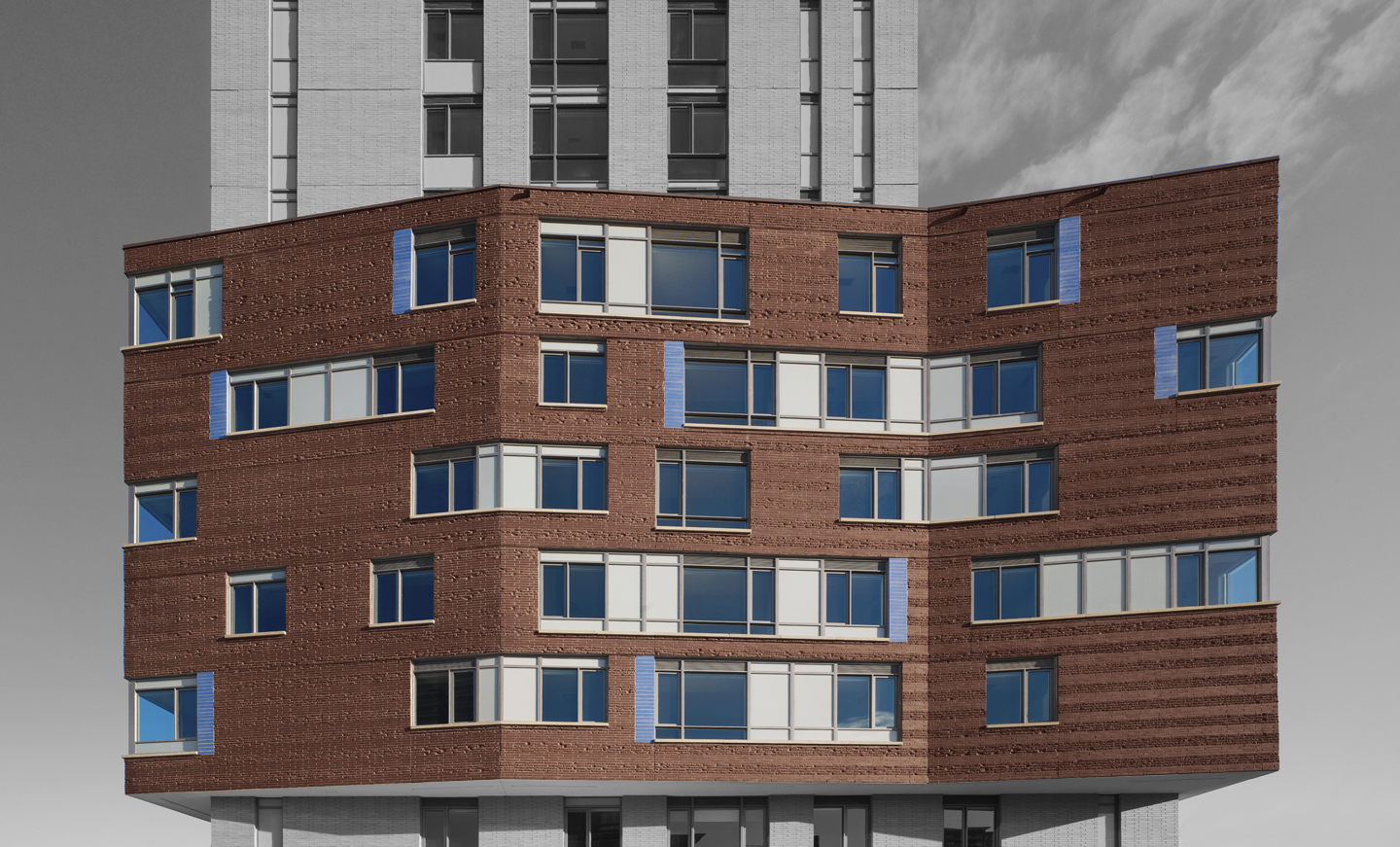
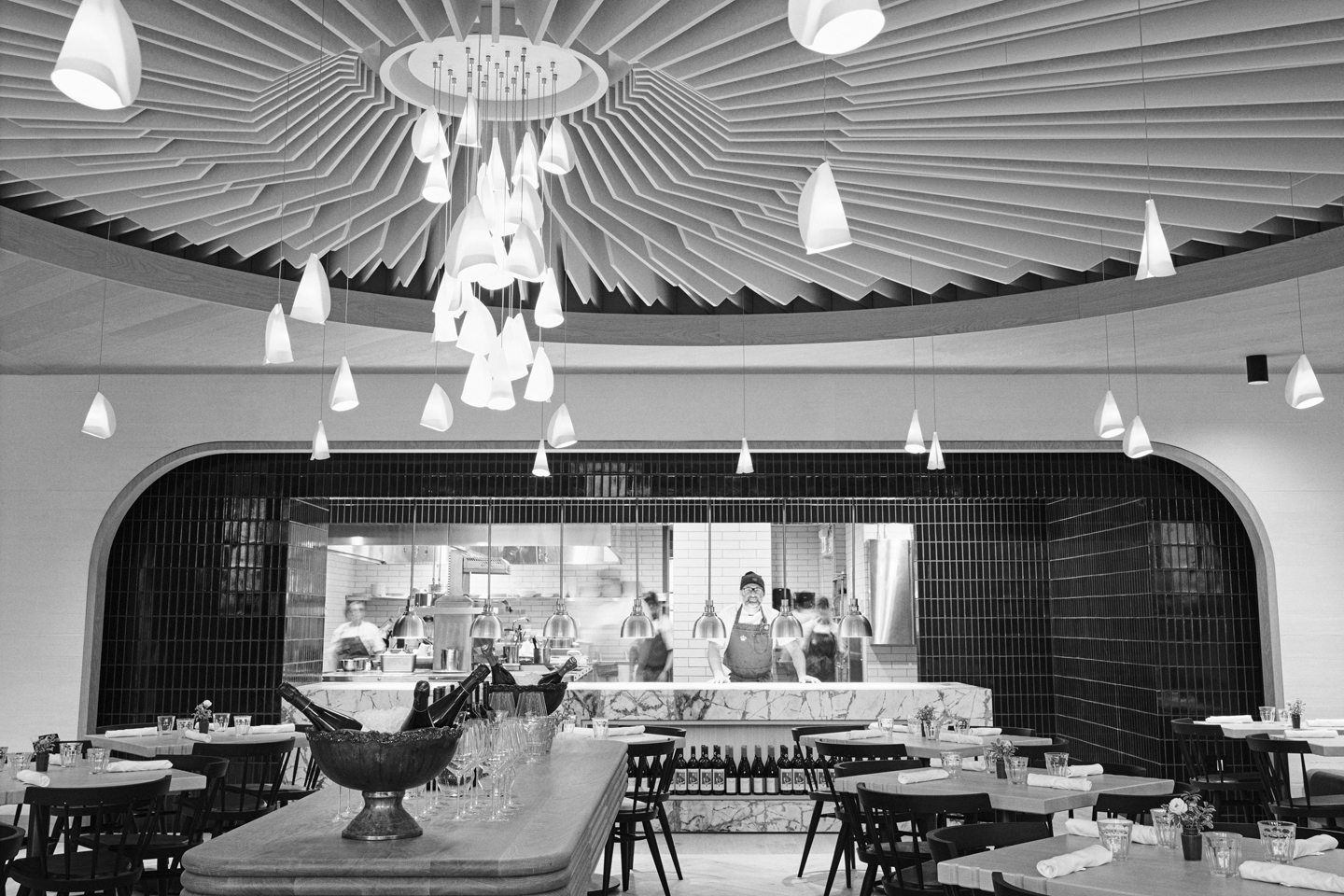
Petricone’s creativity and love of design has led to some of GPA’s most remarkable projects including the award-winning Daniels Waterfront City of the Arts, The Royal Hotel and Annex in Prince Edward County, Ontario, Ravine House built on the ruins of a John Parkin House along the Rosedale Ravine in Toronto, the Block 22 affordable housing complex for the Regent Park Revitalization Project, the Herman Miller Canadian Design Centre, and the Trinity College Centre for Ethics, an interfaculty and interdisciplinary initiative at the University of Toronto.

As a principal of Giannone Petricone Architects and a professor of architecture at the University of Toronto, Petricone’s dual role enables her to contribute intellectual rigour and research to the firm’s projects and processes, as well as to give real projects academic consideration. Petricone teaches design and theory at all levels of the Master of Architecture program, and has recently been awarded a LEAF Impact Grant by the Vice Provost for Innovation in Undergraduate Teaching to develop a unique design research internship program for graduating Architectural Studies students.

Petricone’s book, Concrete Ideas: Material to Shape a City (Thames & Hudson, 2012; ORO Publishers, 2014) visually speculates, through a series of montages, drawings and photographs, about concrete architecture’s capacity as an urban catalyst, its capacity for defining cities and for virtuosity in urban renewal. It is another iteration of speculations begun with 13 students in her graduate architecture studio at the University of Toronto of the same name. The work uses the case of Toronto with its predominant 1960s and 1970s brutalist stock and unique minus-30-degree-Celsius to plus-30-degree-Celsius Canadian climate to test socio-cultural and aesthetic speculations with building projects that challenge the limits of concrete performance. 

Petricone has presented her work and research at several international conferences and symposia, including the Columbia University Think Tank on the Building Intelligence Project, IF World Conference at the Politecnico di Milano, the Banff sessions on Architecture in Banff, Alberta, and the Tectonics: Making Meaning Conference at the Eindhoven Technical University in the Netherlands. Her work and research have been published widely in Canada, the U.S., Asia and Europe.

Petricone received her undergraduate professional degree in architecture from the University of Toronto in 1991 and a masters degree in architecture from Princeton University in 1995. She became a fellow of the Royal Architecture Institute of Canada in 2015.

Pina Petricone